
What to Do if You Find an Adult Bat
Finding a bat on the ground, inside your home, or somewhere unexpected can be concerning. The safest response depends on where the bat is, whether it appears injured, and whether a person or pet may have had contact with it.
Never touch a bat with bare hands. If there is any possibility of human or pet contact, do not release the bat until you have spoken with your local health department.
Does This Bat Need Help?
The Bat May Need Professional Help If...
It is on the ground and cannot fly away.
It appears injured, weak, unresponsive, or unable to fly.
It is easily approached or behaving unusually.
It has had contact with a person or pet.
It is inside a building and cannot safely exit.
Its roost has been disturbed and it appears unable to leave normally.
The Bat May Not Need Rescue If...
It is roosting normally outdoors and appears healthy.
It is hanging from a tree, building, or other appropriate roosting location.
It is active normally outdoors and has had no known contact with a person or pet.
What NOT to Do if You Find an Adult Bat
Do not touch the bat with bare hands.
Do not feed or give water to the bat.
Do not throw the bat into the air or try to force it to fly.
Do not allow children or pets near it.
Do not attempt to keep or rehabilitate the bat yourself.
Do not release a bat if there is any possibility that a person or pet had contact with it.
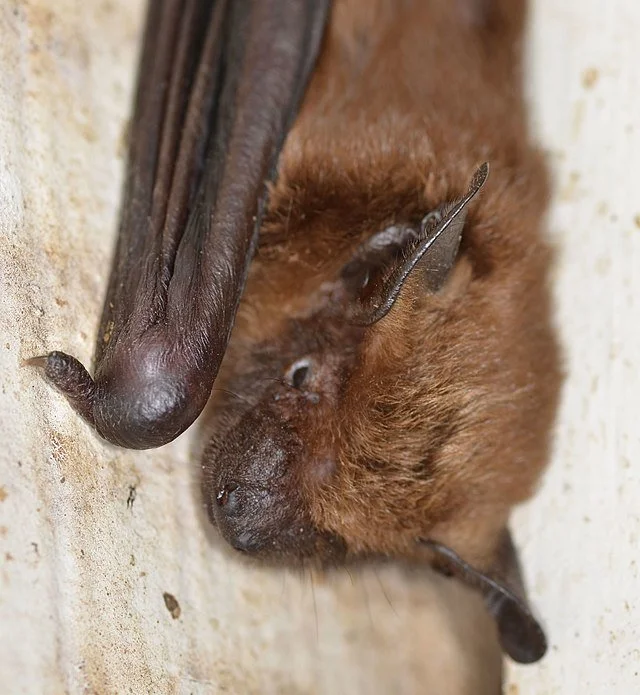
Steps to Take
If You Find a Bat on the Ground Outside
A bat found on the ground may be injured, ill, exhausted, or unable to fly. Do not touch the bat with bare hands.
Keep people and pets away.
Do not attempt to make the bat fly.
If it must be contained for safety, follow the containment instructions below.
Contact a licensed wildlife rehabilitator for guidance.
If You Find a Bat Inside Your House
If You Are Certain There Was No Contact
If the bat is flying in a room and you are confident that no person or pet had contact with it, close interior doors, turn off ceiling fans, open an exterior door or unscreened window, and leave the room while giving the bat an opportunity to exit on its own.
If There Is ANY Chance of Contact
Potential exposure situations include finding a bat:
In a room with a sleeping person
With an unattended young child
With someone who may not be able to reliably report whether contact occurred
With someone who was intoxicated or otherwise unable to reliably report contact
Where a pet may have had direct contact with the bat
Do not release the bat. Contact your local health department for guidance about possible rabies exposure and testing.
Find Your Local Virginia Health Department
If someone was bitten, scratched, or may have had direct contact with the bat, contact a healthcare provider promptly. If a pet may have had contact, contact your veterinarian.
How to Safely Contain an Adult Bat
If a bat needs to be contained for its safety, for evaluation by a wildlife rehabilitator, or because there may have been human or pet contact, avoid direct contact with the bat.
Keep people and pets away from the bat.
Put on thick leather or work gloves. Never handle a bat with bare hands.
When the bat is still, place a box or other container over it.
Carefully slide a piece of stiff cardboard underneath the container to trap the bat inside.
Turn the container upright, secure the lid, and provide small ventilation holes.
Keep the contained bat in a quiet, secure location away from people and pets.
Contact a licensed wildlife rehabilitator for guidance. If there may have been human or pet contact, contact your local health department before releasing the bat.
Never handle a bat directly, even while wearing gloves. Gloves are used as an added layer of protection during containment—not as a reason to pick up the bat.
What to Do While You Wait for Help
Once the bat is safely contained and you have contacted the appropriate licensed wildlife rehabilitator or public-health authority:
Keep the bat in a secure, ventilated container.
Place the container in a quiet, dark location away from people and pets.
Keep the bat at a comfortable indoor temperature, away from direct sunlight, drafts, or extreme heat.
Do not offer food or water unless specifically instructed by a licensed wildlife rehabilitator.
Do not open the container or handle the bat unnecessarily.
Follow any instructions provided by the wildlife rehabilitator, health department, veterinarian, or healthcare provider, depending on the situation.
If the bat's condition changes or you are unsure what to do, contact the wildlife rehabilitator again rather than attempting additional care yourself.
Possible Bat Contact or Rabies Exposure
Bats can carry rabies, and a bite or scratch may be small and difficult to notice. A bat does not have to appear sick for a possible exposure to require evaluation.
Do not release the bat if there is any possibility that a person or pet had contact with it. Keeping the bat safely contained may allow public health officials to determine whether rabies testing is necessary.
Contact your local health department for guidance if a person may have been exposed. If someone was bitten, scratched, or had direct contact with the bat, contact a healthcare provider promptly.
If a pet may have had contact with the bat, contact your veterinarian and follow their guidance.
About Adult Bats
Bats are an important part of Virginia's native wildlife. Most bats found in Virginia feed on insects and spend much of their time roosting in trees, caves, buildings, or other protected locations.
Understanding normal bat behavior can help you recognize when a bat may simply be resting or roosting—and when its behavior or condition suggests that it may need help.
Where Do Bats Normally Roost?
Depending on the species, bats may roost in trees, caves, rock crevices, buildings, bridges, bat houses, and other sheltered locations. Some species regularly use buildings, while others primarily depend on natural roosts.
A bat hanging from a tree, building, or other suitable location is not necessarily injured or in need of rescue. If the bat appears healthy, is in a safe location, and has had no known contact with a person or pet, give it space and avoid disturbing it.
Is It Normal to See a Bat During the Day?
Seeing a bat during daylight hours does not automatically mean that it is sick or has rabies. A bat may occasionally be active during the day because it has been disturbed, is changing roosts, or for other reasons.
Instead of relying on the time of day alone, consider the bat's overall condition and behavior. A bat that is unable to fly, injured, weak, unresponsive, easily approached, or behaving unusually should be assessed by a licensed wildlife rehabilitator.
If there may have been contact with a person or pet, do not release the bat and contact your local health department for guidance.
Why Bats Are Important
Virginia's bats play an important role in local ecosystems. Most species found in the state are insectivorous, feeding on moths, beetles, and other insects while foraging at night.
Bats are also part of the natural food web and contribute to the ecological balance of the habitats where they live. Protecting healthy bats and their roosting habitat helps conserve an important part of Virginia's native wildlife.
Frequently Asked Questions About Adult Bats
-
Keep people and pets away and do not touch the bat with bare hands. A bat on the ground may be injured, ill, exhausted, or unable to fly. Do not throw it into the air or attempt to make it fly.
Contact a licensed wildlife rehabilitator for guidance. If the bat must be contained for safety, follow the safe-containment instructions above.
-
Seeing a bat during the day does not automatically mean that it is sick or has rabies. A bat may occasionally be active during daylight hours if it has been disturbed or is changing roosts.
Look at the bat's overall condition and behavior instead. If it is injured, weak, unable to fly, unresponsive, easily approached, or behaving unusually, contact a licensed wildlife rehabilitator.
-
If you are certain that no person or pet had contact with the bat, close interior doors, turn off ceiling fans, open an exterior door or unscreened window, and leave the room to give the bat an opportunity to exit on its own.
If there is any possibility of human or pet contact, do not release the bat. Safely contain it if possible and contact your local health department for guidance.
-
No. Do not pick up or directly handle a bat, even while wearing gloves. Thick leather or work gloves provide an additional layer of protection if you must contain a bat that is still using a box and stiff cardboard; they should not be used as a reason to handle the bat directly.
-
Do not release the bat. Because a sleeping person may not know whether direct contact occurred, contact your local health department for guidance about possible rabies exposure and whether the bat should be tested.
Keep the bat contained if this can be done safely, and avoid direct contact with it.
-
Separate your pet from the bat and do not release the bat. Contact your veterinarian promptly and follow their guidance. If the bat can be safely contained without direct handling, keeping it available may help public-health officials determine whether rabies testing is necessary.
-
No. Do not offer food or water unless specifically instructed by a licensed wildlife rehabilitator. Improper feeding or attempts to give water can cause additional harm.
Keep the bat safely contained in a quiet, dark location and follow the instructions provided by the licensed wildlife rehabilitator.
-
That depends on why the bat was contained. Do not release a bat if there is any possibility that a person or pet had contact with it. Contact your local health department first.
If the bat was contained because it appeared injured, weak, unable to fly, or otherwise in need of help, contact a licensed wildlife rehabilitator before releasing it.
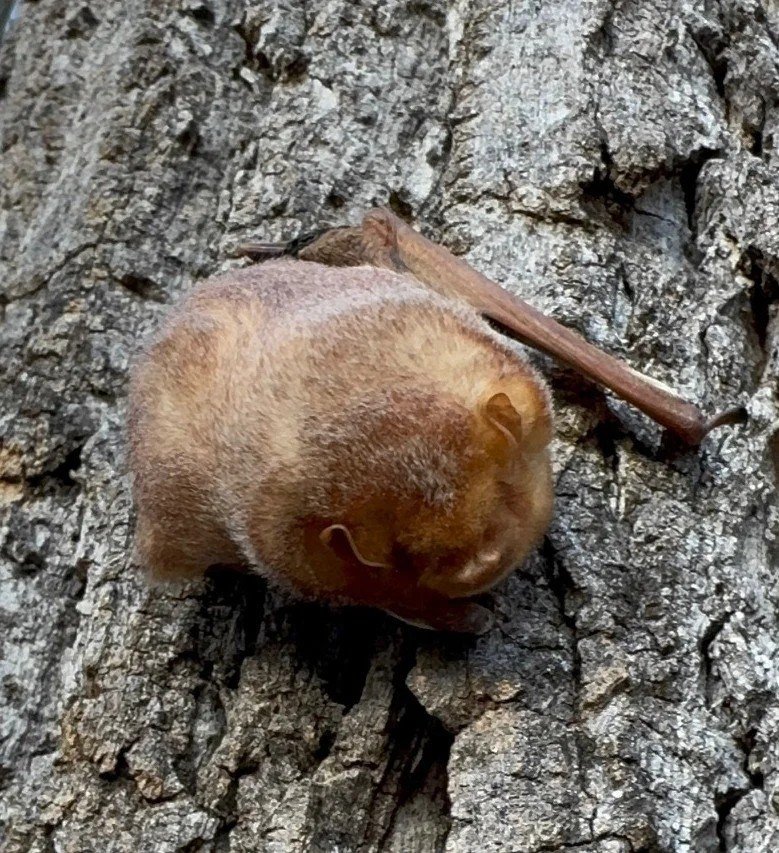
Get Help for an Adult Bat
If you find an adult bat that is injured, weak, unable to fly, or otherwise appears to need help, contact Roanoke Wildlife Rescue for guidance.
Do not touch the bat with bare hands. If possible, keep people and pets away from the bat while you contact us.