Virginia Wildlife Education and Outreach Programs
Bring Virginia Wildlife Education to Your Community
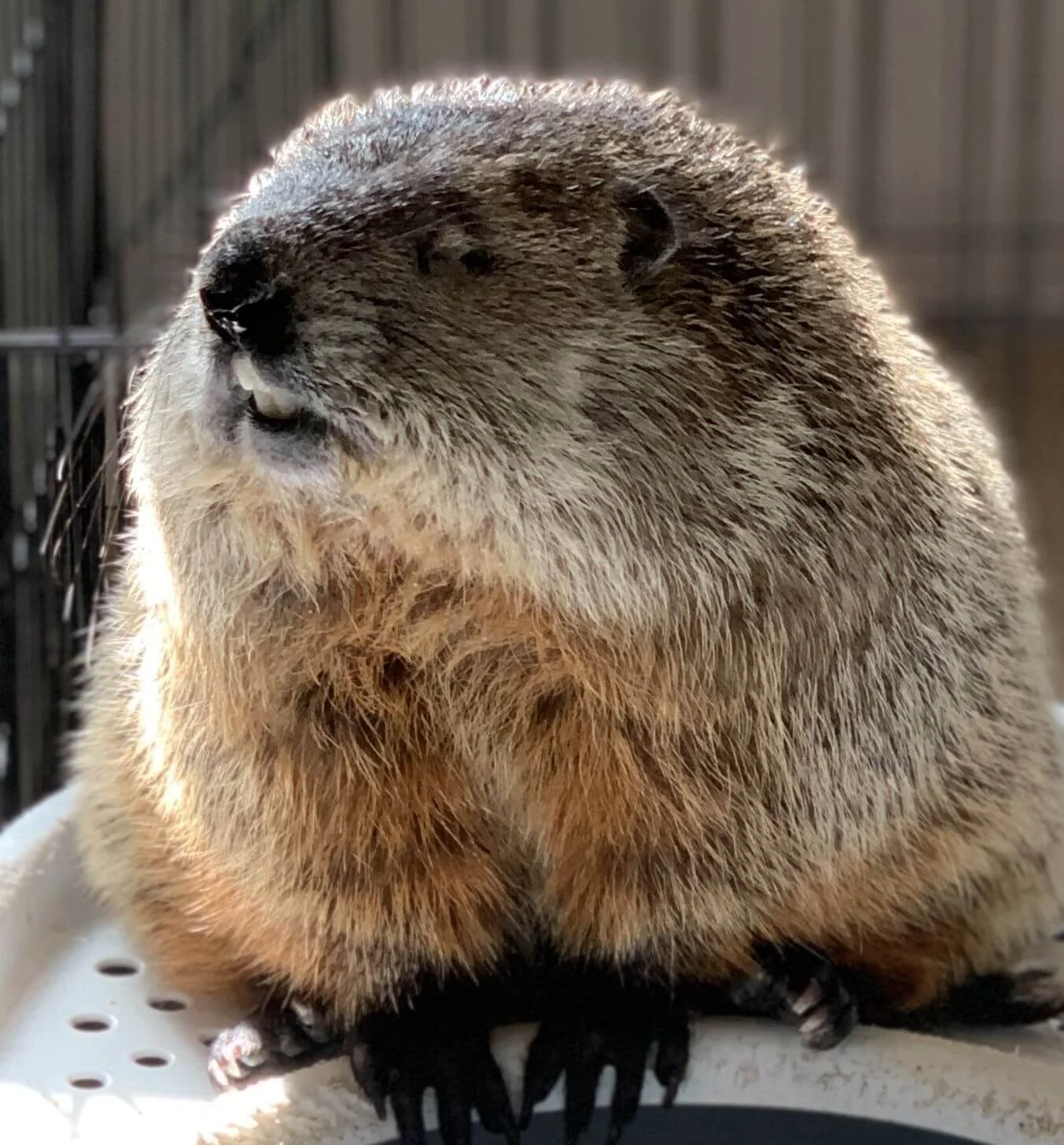
Roanoke Wildlife Rescue offers engaging wildlife education programs for schools, homeschool groups, libraries, camps, and community organizations. Participants meet native Virginia wild animals that cannot safely return to the wild while learning about their natural behaviors, habitats, importance to healthy ecosystems, and the challenges they face in the wild.
Led by trained animal handlers, each program provides a safe, respectful learning experience designed to inspire curiosity, understanding, and responsible coexistence with wildlife.
Wildlife Education Programs That Encourage Care for Nature
Our outreach programs can complement Virginia Standards of Learning (SOL) objectives while fostering curiosity and respect for the natural world. Participants learn about:
Virginia’s native wildlife species and their habitats
Common misconceptions about wild animals
The dangers wild animals face and how people can help protect them
Who Are Our Wildlife Education Programs For?
Programs are available for:
Schools and classrooms
Homeschool groups and co-ops
Libraries
Summer camps
Scout and youth groups
Community organizations and events
Retirement communities
Wildlife Program Details
Length: Approximately 45 minutes
Group size: We recommend 40 or fewer participants per session
Sessions: Up to two sessions per day to accommodate larger groups
Animals: Native Virginia wild animals that can’t be released and now help teach people about wildlife
Program Pricing
Our pricing structure helps support the ongoing care of our education animals:
Local programs:
$200 for one session
$325 for two sessions
Travel outside the local area:
An additional $0.75 per mile, round trip, for locations 25 miles or more from Roanoke
Animal Welfare Comes First
The health and well-being of our wildlife ambassadors always come first.
If a group becomes excessively loud or uncooperative, we will end the program to protect the animals.
We ask all participants to remain seated during the presentation to minimize stress.
Participants can watch the animals up close but can’t touch or handle them. This allows people to learn while respecting the animals’ natural behaviors.
By participating in our programs, you help promote wildlife conservation, education, and responsible coexistence — while giving students an experience they won’t forget.
Frequently Asked Questions
-
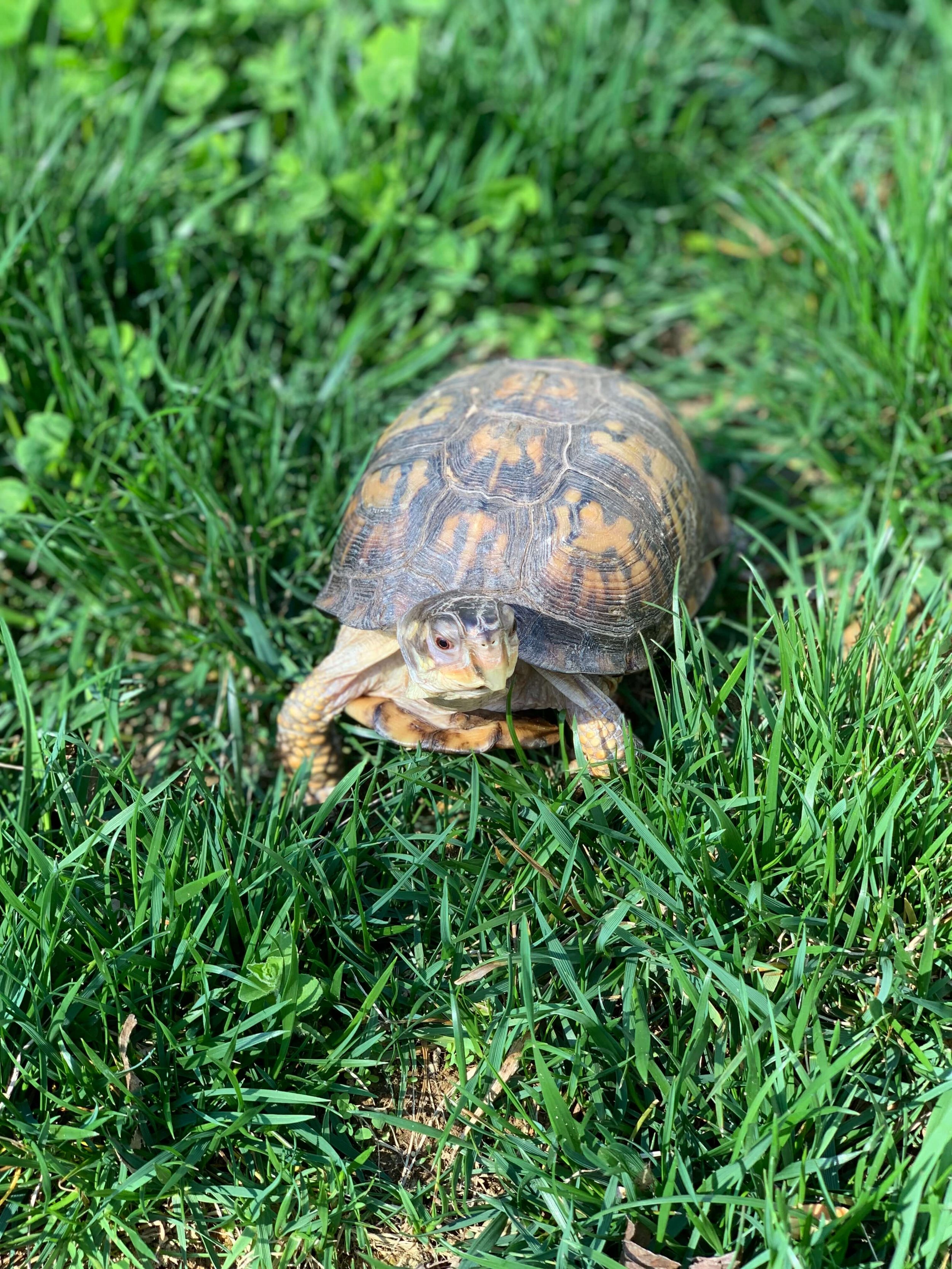
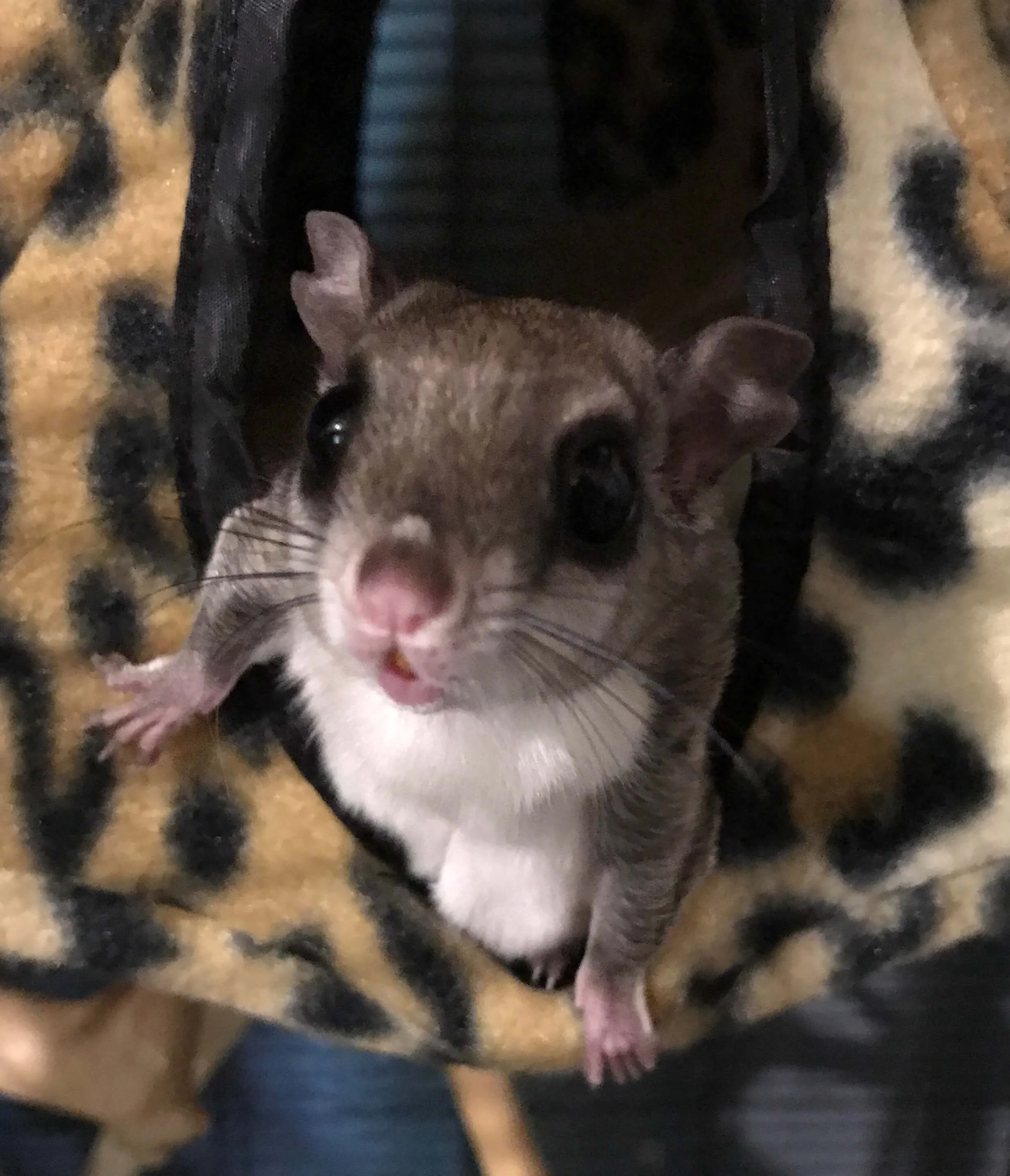
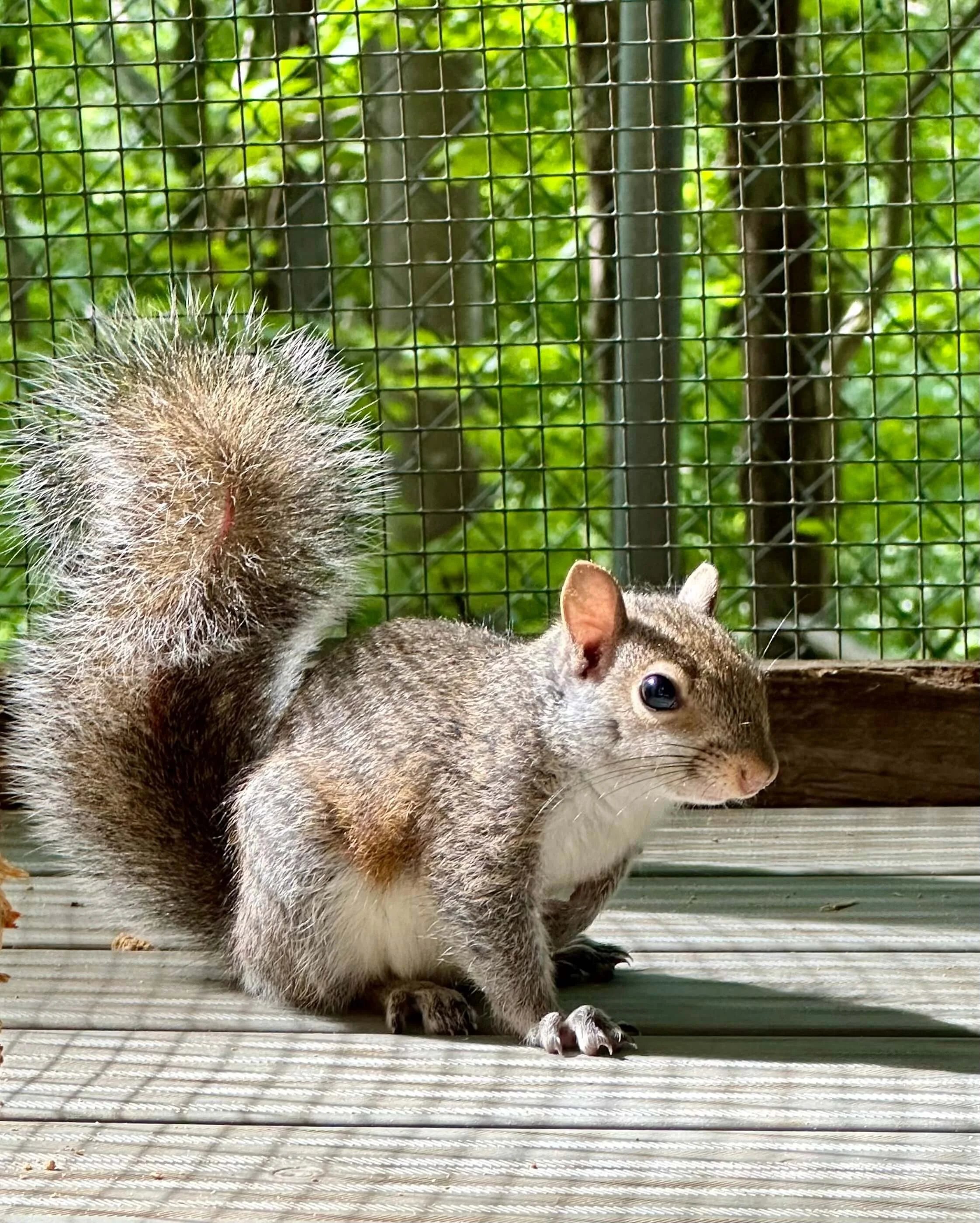
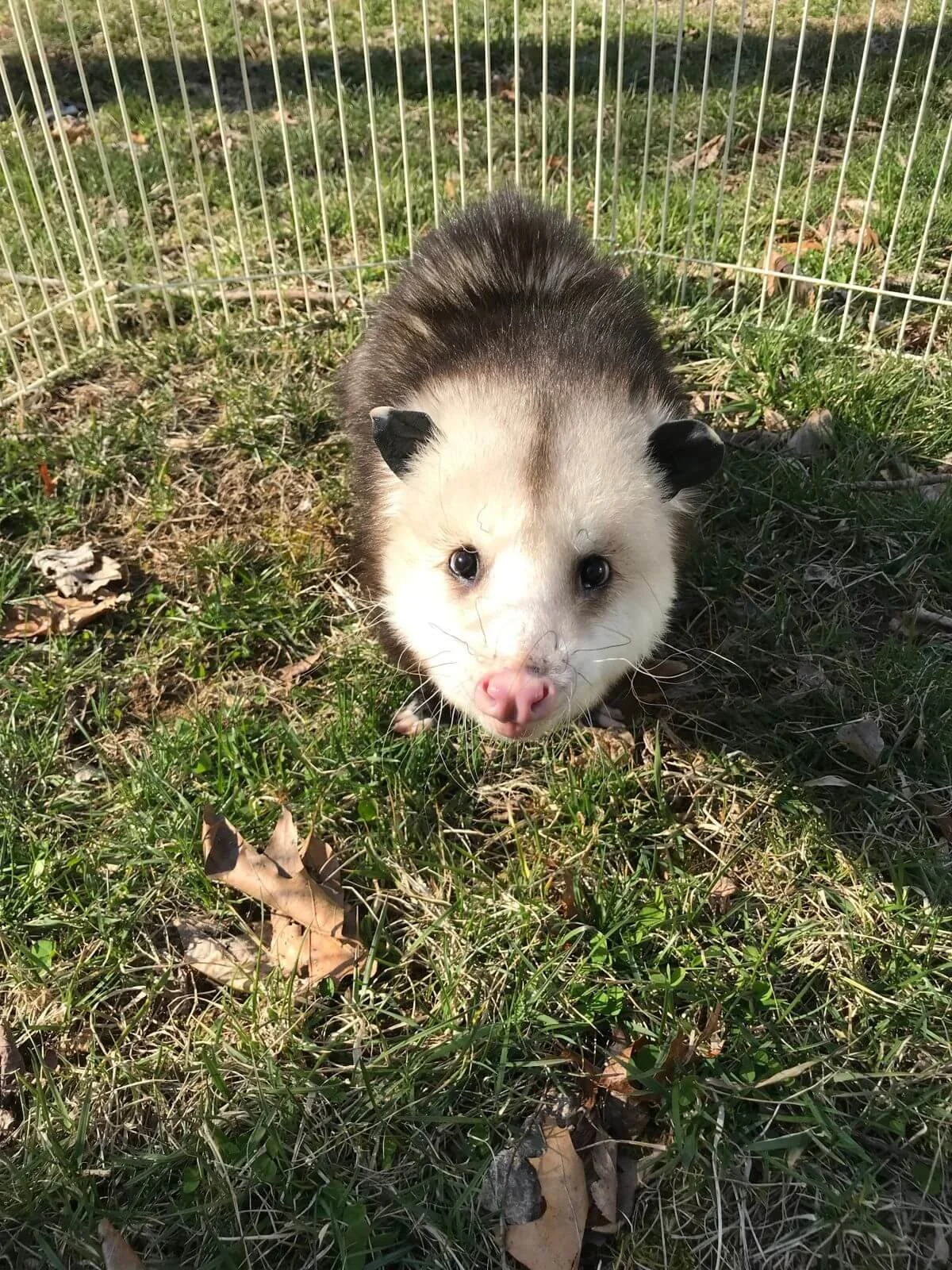
Programs may include a box turtle, snake, flying squirrel, gray squirrel, or opossum. All are native Virginia animals that can’t safely return to the wild. Which animals attend depends on their health and the day.
-
We offer programs in Roanoke and surrounding communities, with travel available to locations farther away. Programs 25 miles or more from Roanoke include an additional mileage fee.
-
Each wildlife program lasts approximately 45 minutes.
-
We recommend 40 or fewer participants per session to provide a meaningful experience while minimizing stress on the animals. We can offer up to two sessions per day for larger groups.
-
Local programs are $200 for one session or $325 for two sessions. Locations 25 miles or more from Roanoke have an additional travel fee of $0.75 per mile, round trip..