
Living With Wildlife in Harmony
Wildlife doesn’t live apart from us — it lives beside us. From forests and fields to neighborhoods and waterways, humans and animals share the same spaces, resources, and future. Living alongside wildlife means giving animals space, respecting their habits, and knowing when to step in.
When animals lose habitat, suffer injury, or wander too close to human activity, conflict can happen, but it doesn’t have to end in harm. With education, rehabilitation, and community support, we can protect wildlife while creating safer, more balanced environments for everyone.
Living peacefully with wildlife begins when we recognize that every animal has an important role in the natural world. It grows when we respond to wildlife in need with care instead of fear. And it lasts when we commit to conservation practices that allow animals to heal, recover, and thrive in the wild where they belong.
By supporting rescue, rehabilitation, and education efforts, you help build a future where people and wildlife coexist in balance, not in competition. Together, we protect natural habitats, reduce problems between people and wildlife, and honor wild animals with dignity and respect.
The articles below explain what to do in common situations.
Search Wildlife Resources
Looking for information about a specific animal or wildlife situation? Search our articles.
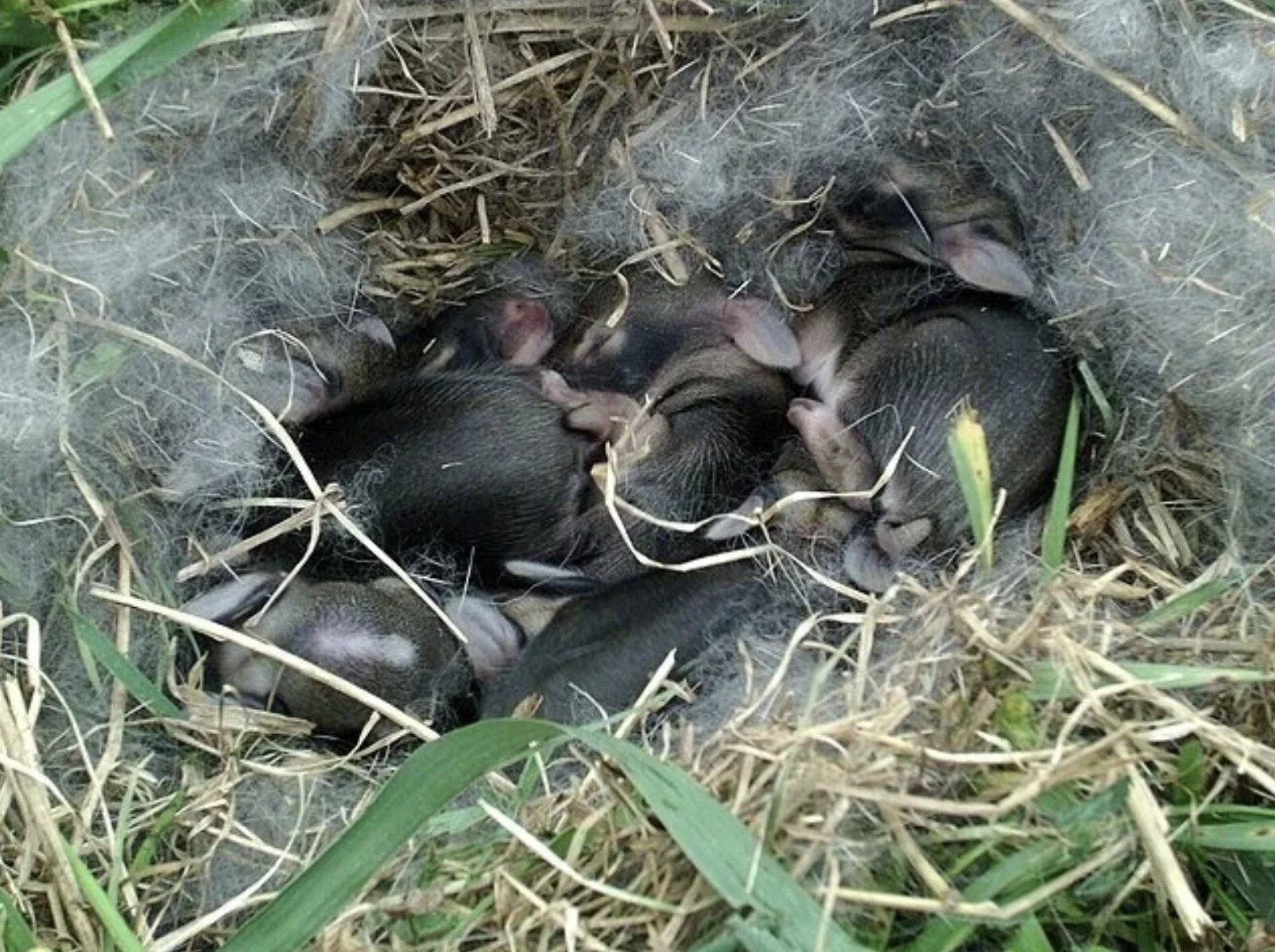
Why Wildlife Baby Season Is Lasting Longer
Warmer weather and shifting seasons are stretching baby season later into the year. Here’s what that means for young wildlife, and how to tell when a baby animal needs help.
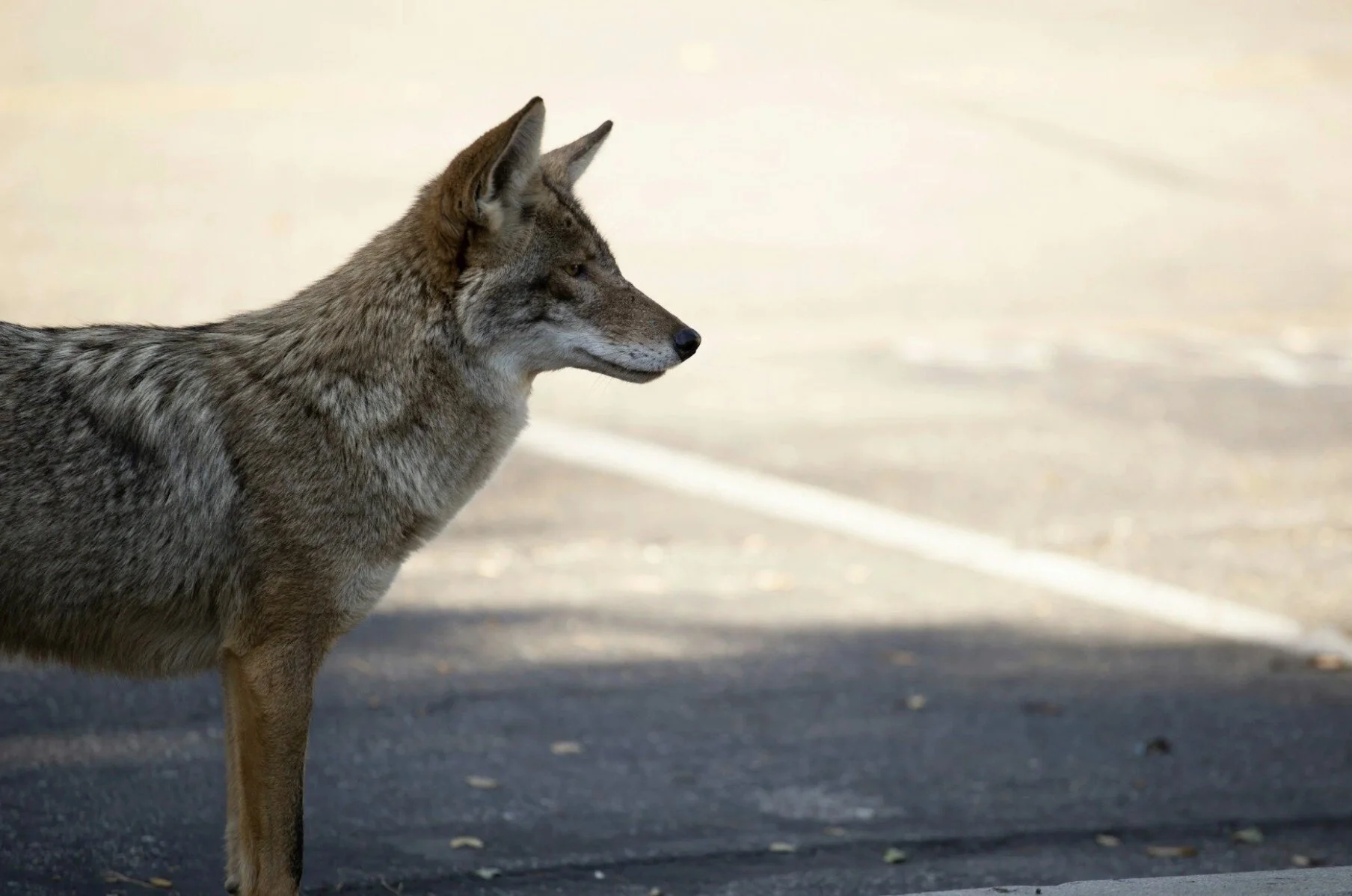
Why Every Wildlife Species Matters, Including Nuisance Wildlife
Raccoons, bats, skunks, opossums, and beavers are often called nuisance wildlife, but each one helps keep ecosystems healthy. See how people and these animals can share space safely.
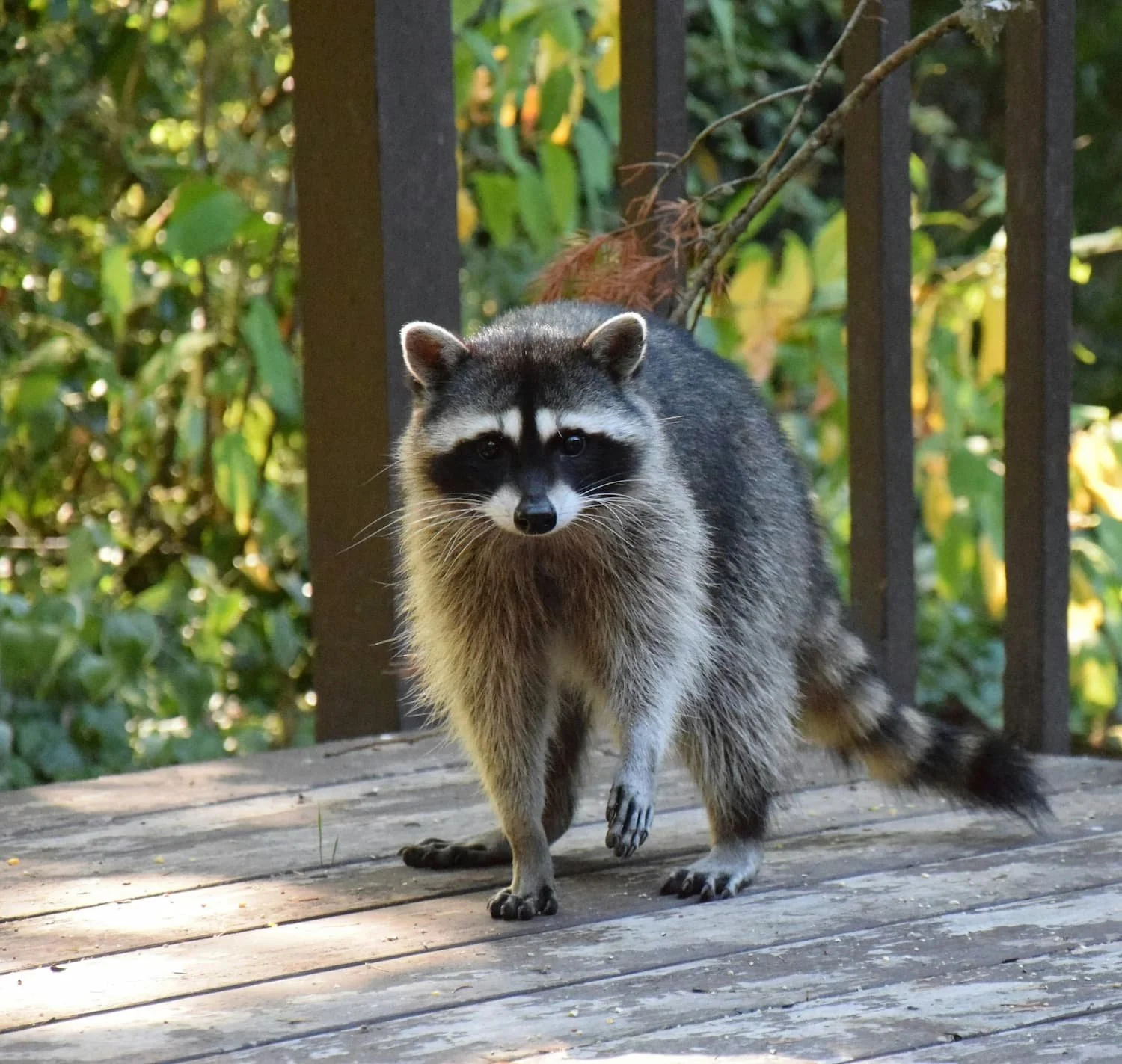
Do Raccoons Come Out During the Day? When Daytime Wildlife Is Normal
A raccoon out in daylight isn’t always sick. Find out which daytime behavior is normal, which signs point to illness or injury, and when to call a wildlife rehabilitator.
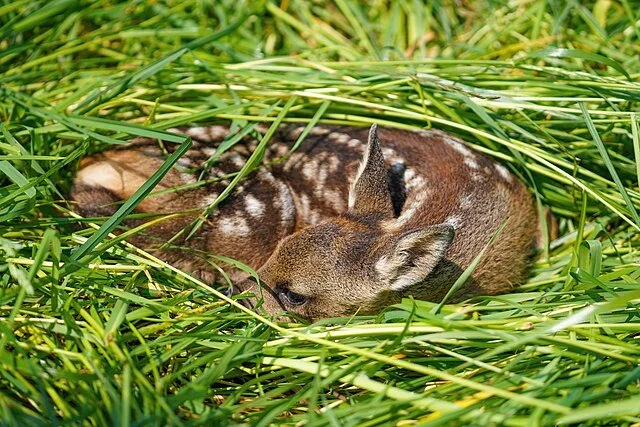
Found a Fawn Alone? Why Deer Leave Their Fawns
A fawn alone in the grass is usually right where its mother left it. How to tell if it truly needs help, and how to respond without separating a fawn from its mother.
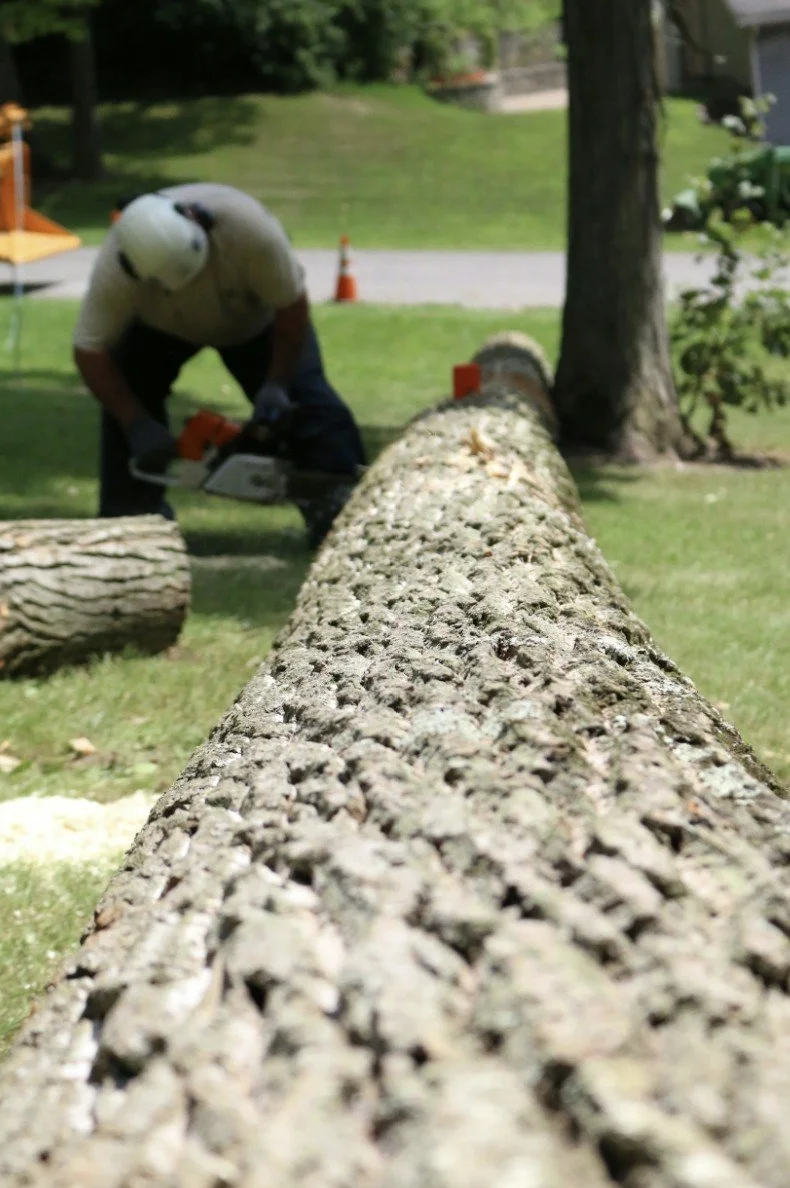
Best Time to Trim or Cut Trees Without Disturbing Wildlife
Tree work at the wrong time of year can disturb nesting birds and tree-dwelling animals. Plan the right time to trim or cut, and check for active nests before you start.
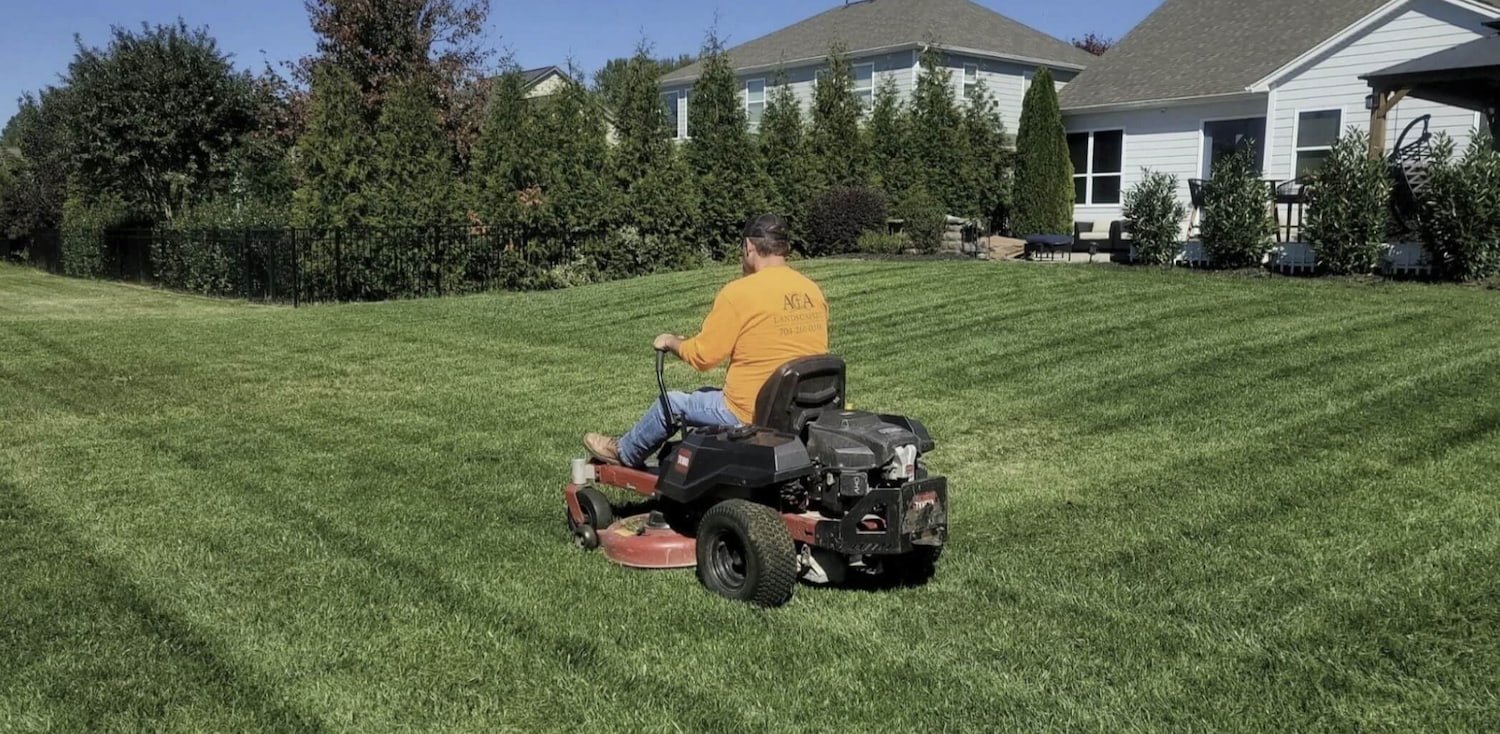
How to Mow Your Lawn Without Harming Wildlife
A few small changes to your mowing routine can protect pollinators, birds, and small animals. The best times to mow, how often to cut, and other wildlife-friendly lawn tips.
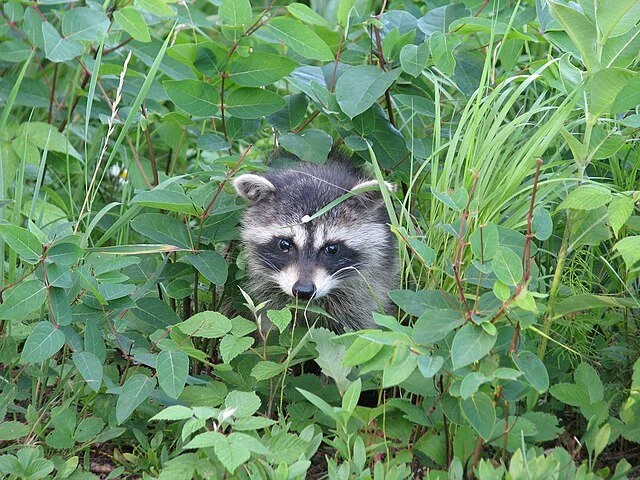
Why Is Wildlife Important? How Protecting Animals Protects Us All
Wildlife helps grow our food, limit disease, and support local economies. Why protecting animals protects the natural systems we all depend on.
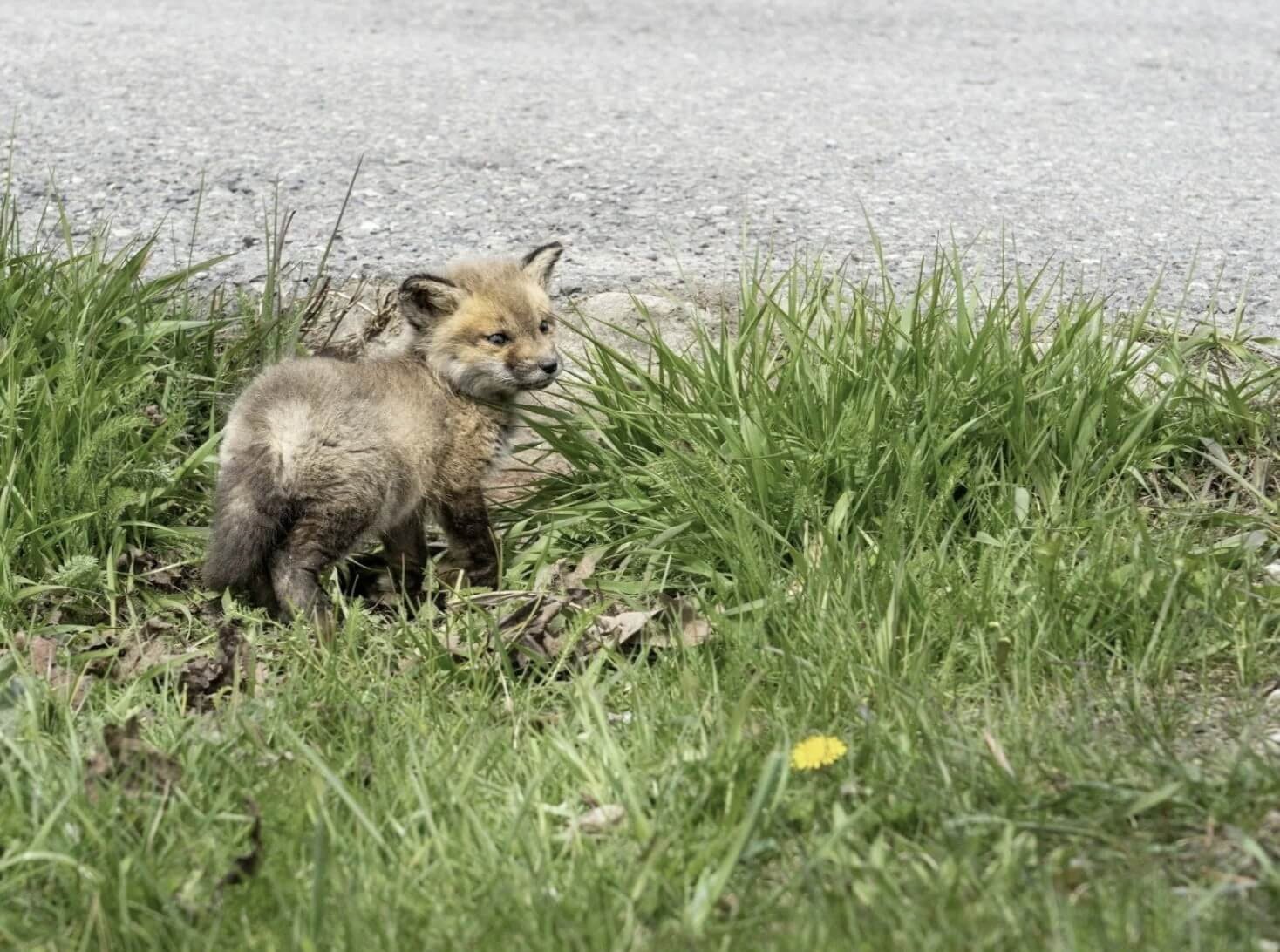
What to Do With Baby Wildlife: How to Help Without Harming
A baby animal on its own doesn’t always need rescuing. The signs that one needs help, when to leave it alone, and how to keep young animals safe in spring and summer.