
What to Do if You Find an Injured or Sick Field Mouse
Field mice are small, quick, and easy to overlook, so finding one that is hurt, stuck, or acting strangely can be surprising. Many injured mice have been caught by a cat or dog, stuck on a glue trap, or hurt in a snap trap. Knowing how to tell a native field mouse from a house mouse, and what to do next, can help you get the right kind of help quickly.
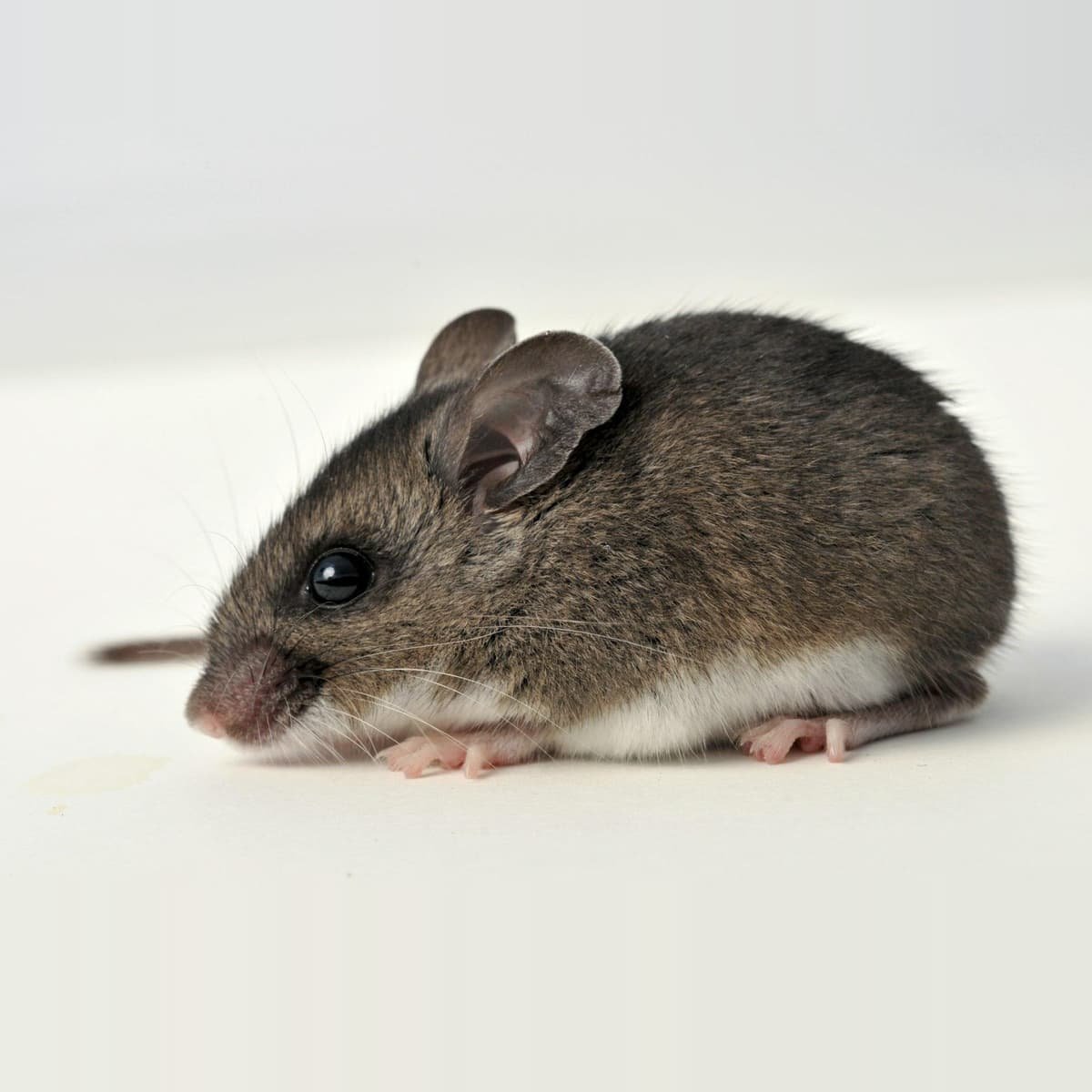
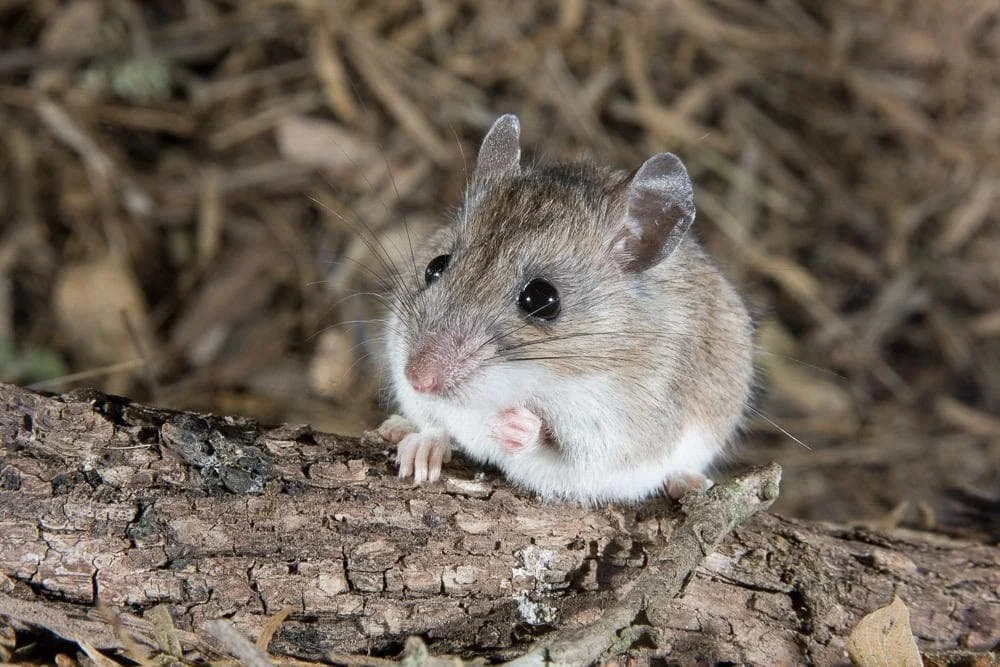
Field Mouse vs. House Mouse: How to Tell the Difference
Roanoke Wildlife Rescue can accept native field mice, including the white-footed mouse and the deer mouse. Virginia wildlife rehabilitators are not permitted to accept or rehabilitate house mice.
Field Mice (White-Footed and Deer Mice)
Bright white belly and feet, sharply separated from the gray, brown, or reddish-brown back
Tail that is dark on top and pale underneath
Large, dark, bulging eyes
Large, thin ears
House Mice
Gray-brown or dusty brown fur over most of the body
Grayish or buff belly that blends into the color of the back
Long, nearly hairless, scaly tail that is about the same color all the way around
Smaller eyes and ears
Color alone is not a reliable clue, because both kinds of mice can look gray or brown. Look for the sharp line between the darker back and the bright white belly.
If you are not sure what kind of mouse you have, text a clear photo to Roanoke Wildlife Rescue at 540-330-6119 before doing anything else. If you can, include a photo that shows the belly and tail.
Does This Field Mouse Need Help?
The Field Mouse May Need Help If...
It has been caught or carried by a cat or dog.
It is stuck on a glue trap or other sticky surface.
It was caught in a snap trap and is still alive.
It has a visible injury, bleeding, or swelling.
It cannot stand, walk, or climb normally, or is dragging a leg.
It is stumbling, circling, lying on its side, or unable to right itself.
It is cold, weak, or does not try to get away when approached.
It is covered with flies, fly eggs, or maggots.
If the mouse appears injured or sick, contact a licensed wildlife rehabilitator for guidance.
The Field Mouse May Not Need Rescue If...
It is alert and runs, jumps, or climbs normally.
It moves away or hides when approached.
It is seen foraging, even during the day, but otherwise appears healthy.
It has moved into a shed, garage, or woodpile but is not hurt.
A healthy field mouse does not need to be rescued. If it is somewhere you do not want it, see “If a Healthy Field Mouse Is in Your Home or Shed” below.
What NOT to Do if You Find an Injured or Sick Field Mouse
Do not pick up a mouse, its droppings, or its nest with bare hands.
Do not pull a mouse off a glue trap, or cut or tear it free.
Do not give the mouse food or water.
Do not attempt to treat injuries yourself.
Do not chase or corner the mouse.
Do not allow children or pets near the mouse.
Do not attempt to keep or rehabilitate the mouse yourself.
Even a small, injured mouse may bite when frightened. Deer mice and white-footed mice can also carry hantavirus, which spreads to people mainly through contact with rodent urine, droppings, saliva, and nesting material. Wear rubber or plastic gloves and wash your hands with soap and water afterward.
Steps to Take
If You Think It Is a House Mouse
Roanoke Wildlife Rescue and other Virginia wildlife rehabilitators cannot accept house mice. If you are not sure, text us a photo at 540-330-6119 and we will help you identify it.
If a Cat or Dog Caught the Mouse
Contact a licensed wildlife rehabilitator right away, even if you cannot see an injury. Bites and puncture wounds are easy to miss on a small animal, and bacteria from a cat's mouth can cause a life-threatening infection.
If the Mouse Is Stuck on a Glue Trap
Treat a mouse on a glue trap as an emergency. Do not try to pull it free. Wearing gloves, place the whole trap with the mouse still attached into a box with air holes, and contact a licensed wildlife rehabilitator for instructions. Rehabilitators can safely free the mouse and treat its skin and fur.
If the Mouse Was Caught in a Snap Trap
Wearing gloves, carefully release the trap's bar if you can do so without further hurting the mouse, place the mouse in a box with air holes, and contact a licensed wildlife rehabilitator.
If the Mouse Appears Sick or Is Behaving Abnormally
Keep people and pets away and contact a licensed wildlife rehabilitator. Note what you are seeing, such as stumbling, circling, or weakness, and when it started.
If a Healthy Field Mouse Is in Your Home or Shed
A healthy field mouse can be gently encouraged outside. If you catch one in a live trap, release it outdoors near where it was caught, close to cover such as brush, a stone wall, or a woodpile. Then seal gaps around doors, vents, and pipes to keep mice from coming back in.
What to Do While You Wait for Help
Once you have contacted Roanoke Wildlife Rescue or another licensed wildlife rehabilitator:
Wear gloves if you need to handle the mouse or the trap.
Place the mouse in a small box or container with a secure lid and small air holes. Mice can squeeze through very small gaps.
Line the bottom with a soft, clean cloth or paper towel.
Keep the container in a warm, dark, quiet location away from children, pets, and household activity.
Do not give the mouse food or water unless specifically instructed by a licensed wildlife rehabilitator.
Note any changes in the mouse's condition, movement, or behavior.
Follow the instructions provided by the licensed wildlife rehabilitator.
Do Not Keep or Attempt to Rehabilitate an Adult Field Mouse
Injured and sick field mice have specialized medical, nutritional, and housing needs. Do not keep a field mouse as a pet or attempt to treat it yourself.
Licensed wildlife rehabilitators provide medical care, proper housing, and a diet suited to the species, and release recovered mice back into suitable habitat.
About Adult Field Mice
What Does a Field Mouse Look Like?
Adult field mice are about 6 to 8 inches long including the tail and weigh well under an ounce. They have gray, brown, or reddish-brown backs, bright white bellies and feet, large dark eyes, and large ears.
Why Is a Field Mouse in My House?
Field mice live in woods, fields, and brushy areas, but they climb well and often move into sheds, garages, cabins, and homes, especially as the weather turns cold.
What Do Field Mice Eat?
Field mice eat seeds, nuts, fruit, insects, and other small invertebrates, and they often store seeds and nuts for later.
Are Field Mice Active During the Day?
Field mice are mostly active at night. One seen during the day may simply be foraging, but a mouse that is out in the open and slow to move away may be injured or sick.
Why Field Mice Are Important
Field mice help spread seeds, and they are an important food source for owls, hawks, foxes, snakes, and many other animals.
Frequently Asked Questions About Adult Field Mice
-
Keep people and pets away, put on gloves, and place the mouse in a small box with air holes in a warm, dark, quiet place. Do not give food or water. Text us a photo at 540-330-6119.
-
Field mice can be gray or brown, but they have a bright white belly and white feet, a tail that is dark on top and pale underneath, and large eyes and ears. House mice are mostly gray-brown with a grayish belly and a nearly hairless, scaly tail.
-
Do not pull it off. Place the trap with the mouse still attached in a box with air holes and contact a licensed wildlife rehabilitator right away.
-
Rarely, and struggling can tear its skin and fur. A mouse on a glue trap needs help from a licensed wildlife rehabilitator.
-
Gently separate your cat from the mouse, put on gloves, and place the mouse in a small box with air holes. Contact a licensed wildlife rehabilitator right away, even if you cannot see an injury. Cat bites can cause a life-threatening infection.
-
Deer mice and white-footed mice can carry hantavirus, so avoid touching mice, droppings, or nests with bare hands. White-footed mice are also one of the main animals that carry the bacteria that cause Lyme disease, which spreads to people through tick bites, not directly from mice.
-
No. Virginia wildlife rehabilitators are not permitted to accept or rehabilitate house mice. Text us a photo if you are not sure which kind you have.
Get Help for an Injured or Sick Field Mouse
If you find a field mouse that is injured, sick, caught by a cat or dog, or stuck on a glue trap, contact Roanoke Wildlife Rescue for guidance. Text us a photo and we can help you identify the species and decide what to do next.
Do not give the mouse food or water, pull it off a trap, or attempt to treat it yourself. Follow the instructions provided by a wildlife rehabilitator.
Call or text us at 540-330-6119. We're available daily from 10 AM to 7 PM.