
What to Do if You Find an Injured or Sick Chipmunk
Found a chipmunk that’s hurt, was caught by a cat, or isn’t moving normally? Healthy chipmunks are quick and wary, so one that lets you get close or can’t run away may need help. Observe from a safe distance and use the signs below to decide what to do.
Does This Injured or Sick Chipmunk Need Help?
Most chipmunks you see are healthy wild animals going about their day. Before stepping in, watch the chipmunk from a safe distance and look at its overall condition and behavior.
The Chipmunk May Need Help If...
It has been caught or carried by a cat or dog, even if you can’t see a wound.
It has a visible wound, bleeding, or an obvious injury.
It can’t stand, walk, run, or climb normally, or is dragging a leg.
It is lying on its side, very weak, or lets you walk right up to it.
It has difficulty breathing or seems to be in significant distress.
It is circling, has a severe head tilt, is having seizures, or has lost its coordination.
It is stuck on a glue trap or caught in another trap.
It is tangled in netting, fishing line, or another object.
It fell into a pool, bucket, or window well and is cold, wet, or weak.
It has flies, fly eggs, or maggots on its body.
It has a swelling that is bleeding, draining, or interfering with its ability to see, eat, or move.
The Chipmunk May Not Need Rescue If...
It is alert and moving normally.
It runs into a burrow, stone wall, woodpile, or shrubs when approached.
It is foraging, climbing, or stuffing its cheek pouches with food.
It has a lump but otherwise seems bright, active, and able to move normally.
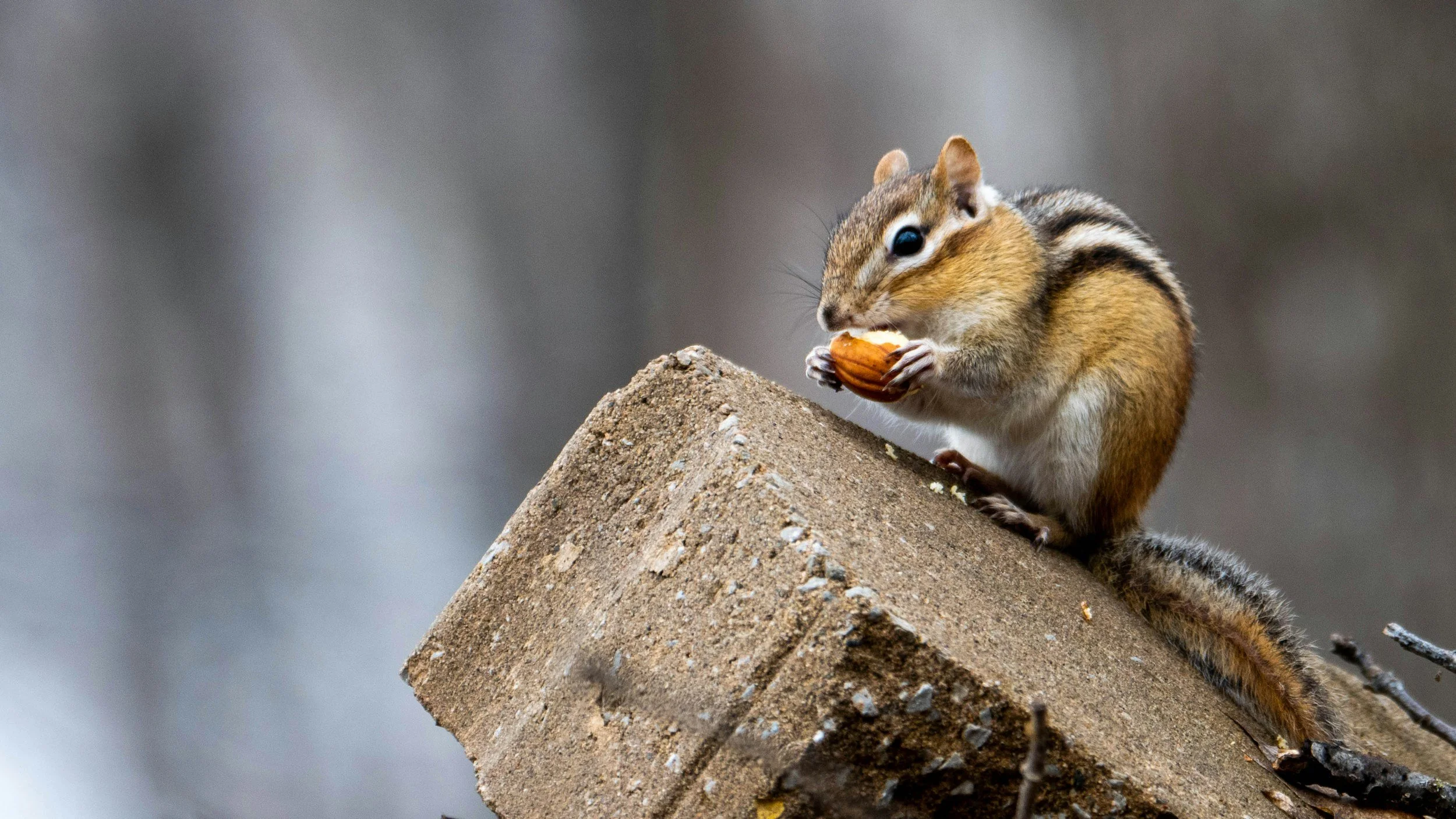
Full cheek pouches can make a chipmunk’s face look swollen or lopsided. That’s normal. It’s carrying food back to its burrow.
Does the Chipmunk Have a Lump? Understanding Warbles
Like squirrels, chipmunks can get warbles during warmer months. A warble forms when an immature botfly, called a larva (Cuterebra), grows beneath the animal’s skin. It usually looks like a round, raised swelling with a small opening in the skin. On an animal as small as a chipmunk, a warble can look very large.
Does a Chipmunk With a Warble Need Help?
Many chipmunks with warbles don’t need to be rescued. If the chipmunk is alert, active, eating, and moving normally, watch it from a distance rather than trying to catch it. The larva eventually leaves on its own.
Contact a licensed wildlife rehabilitator for guidance if:
The chipmunk is weak, lethargic, or unable to move normally.
The swelling is near an eye, the mouth, or another area where it seems to interfere with normal function.
The area is badly swollen, bleeding, draining, or looks infected.
The chipmunk has another injury or signs of illness.
You aren’t sure whether what you’re seeing is a warble.
Never squeeze, puncture, or try to remove a warble yourself. Breaking the larva under the skin can cause serious inflammation and infection. If you can, send us a clear photo or short video taken from a distance.
What NOT to Do if You Find an Injured or Sick Chipmunk
Chipmunks can bite and scratch when frightened or hurt. Avoid handling one unless a licensed wildlife rehabilitator has told you to. Never:
Chase, grab, or pick up the chipmunk with your bare hands.
Try to treat wounds or injuries yourself.
Give the chipmunk food or water.
Pull a chipmunk off a glue trap.
Force an injured chipmunk to move or run.
Let children or pets near the chipmunk.
Squeeze, puncture, or try to remove a suspected warble.
Trap or relocate a healthy chipmunk just because it lives in your yard.
If the chipmunk is alert and can run normally, give it space and watch from a distance before doing anything.
Steps to Take
What you should do depends on the chipmunk’s condition and what happened to it.
If the Chipmunk Appears Injured or Sick
Watch the chipmunk from a safe distance.
Keep people and pets away.
Don’t chase it or force it to move.
Look for wounds, bleeding, weakness, trouble breathing, or problems walking or climbing.
If you can, take a photo or short video from a distance. This helps a rehabilitator assess the situation.
Contact a licensed wildlife rehabilitator before trying to catch or move the chipmunk.
Don’t offer food or water.
If the Chipmunk Was Caught by a Cat or Dog
This is the most common reason chipmunks come into our care. Contact us right away, even if you can’t see a wound. Tiny puncture wounds are easy to miss, and bacteria from a cat’s mouth can cause a serious infection that needs prompt treatment.
Keep the pet away from the chipmunk, and don’t handle the chipmunk unless we tell you to.
If the Chipmunk Is Stuck on a Glue Trap
Don’t try to pull the chipmunk off the trap. Pulling can tear skin and break bones. Wearing gloves, lightly sprinkle cornmeal or flour over any exposed glue so the chipmunk doesn’t get more stuck. Put the chipmunk and the trap together in a box with air holes, keep it in a quiet place, and call us right away.
If a Chipmunk Is Loose in Your House or Garage
Keep pets and children out of the room, close interior doors, and open an outside door or window. Leave the room and give the chipmunk time to find its way out. Don’t chase it. If it seems injured or hasn’t left after a few hours, contact us for guidance.
How to Safely Contain an Adult Chipmunk
Only try to contain an adult chipmunk if a licensed wildlife rehabilitator has told you to. Even an injured chipmunk can move fast and may bite or scratch when frightened.
If you are told to contain the chipmunk:
Keep children and pets away from the area.
Prepare a small box or pet carrier with air holes and a secure lid before you approach. Chipmunks can squeeze through small gaps.
Line the bottom with a T-shirt or pillowcase.
Wear thick gloves and long sleeves.
If the chipmunk can’t get away, gently place a towel over it and scoop it into the container without handling it directly.
Close and secure the container right away.
Keep the container indoors in a warm, dark, quiet place away from people and pets.
Don’t give the chipmunk food or water unless a rehabilitator tells you to.
Don’t keep opening the container to check on the chipmunk. If it is still running, climbing, or trying hard to escape, don’t chase or corner it. Contact Roanoke Wildlife Rescue for guidance instead.
What to Do While You Wait for Help
If a licensed wildlife rehabilitator has advised you to leave the chipmunk where it is while help is arranged:
Keep children and pets away.
Watch the chipmunk from a safe distance.
Keep the area as quiet and undisturbed as possible.
Don’t offer food or water.
Don’t keep approaching it or try to make it move.
Note any changes in its condition and, if you can, take a photo or short video from a distance.
Follow the rehabilitator’s instructions.
If the chipmunk runs off or goes into a burrow on its own, don’t chase it or try to dig it out unless a rehabilitator has specifically told you to.
Do Not Keep or Attempt to Rehabilitate an Adult Chipmunk
Chipmunks are wild animals with specialized medical, nutritional, and behavioral needs. An injured or sick chipmunk should be cared for by a licensed wildlife rehabilitator.
Trying to care for an adult chipmunk yourself can:
Cause more stress or injury.
Put you at risk of bites or scratches.
Delay care the chipmunk needs.
Lead to improper feeding or care.
Make the chipmunk used to people, which makes a successful release harder.
Don’t take an adult chipmunk home or try to rehabilitate it yourself. Helping a chipmunk doesn’t always mean catching it. Sometimes the best help is giving it space, keeping pets away, and calling a licensed wildlife rehabilitator for guidance.
About Adult Chipmunks
Eastern chipmunks are common throughout Virginia, from forests and brushy areas to stone walls, woodpiles, and backyards. Adults are 8 to 10 inches long including the tail and weigh about 2 to 4.5 ounces. They have reddish-brown fur with dark and light stripes down the back and stripes on the face, which sets them apart from squirrels.
Life Underground
Chipmunks live in burrows that can stretch up to 30 feet, with nesting chambers and storage rooms for food. The entrance is a neat hole about 2 inches wide with no pile of dirt beside it, because chipmunks carry the soil away in their cheek pouches. Many chipmunks keep the same burrow for life.
Do Chipmunks Hibernate?
Not exactly. From about mid-November to early February, chipmunks spend most of their time underground, alternating between deep sleep and waking to eat from their food stores. Some come out on mild winter days. Chipmunks are active only during the day.
Why Do Chipmunks “Chip”?
The loud “chip” calls you hear are mostly alarm calls that warn other chipmunks about predators. Chipmunks also call to defend the area around their burrows.
Why Do Chipmunks Matter?
Chipmunks gather and bury seeds and nuts, and the ones they don’t eat can grow into new plants. They also spread the spores of fungi that help trees grow, and their digging helps loosen soil. They’re an important food source for hawks, owls, foxes, snakes, and other native predators.
Living Peacefully With Chipmunks
Most chipmunk activity doesn’t need any intervention. Keep bird feeders 15 to 30 feet from your house, and use hardware cloth to protect bulbs or keep chipmunks from digging under patios and steps. Please don’t use glue traps. They cause slow, painful deaths and trap many animals besides the one you’re targeting.
Chipmunks raise their young in burrows in spring and mid to late summer. Avoid blocking burrows during these times, or you may trap dependent babies inside. Found a young one? See what to do if you find a baby chipmunk.
Frequently Asked Questions About Adult Chipmunks
-
Rarely. According to the CDC, small rodents such as chipmunks and squirrels are almost never found to be infected with rabies and haven’t been known to pass rabies to people.
Still, don’t handle a wild chipmunk. Chipmunk bites can cause infections. If you’re bitten or scratched, wash the area well with soap and water and contact your doctor or local health department.
-
Separate the pet from the chipmunk and keep the area quiet. Contact a licensed wildlife rehabilitator right away, even if the chipmunk looks fine. Puncture wounds from cats and dogs are easy to miss and can lead to serious infections.
-
In warmer months, a common cause is a warble, a botfly larva growing under the skin. If the chipmunk is alert and moving normally, a warble alone usually doesn’t need rescue.
Never squeeze or try to remove it. Contact us if the chipmunk seems weak or the lump is near an eye or mouth, bleeding, or infected.
-
Don’t pull it off. Wearing gloves, sprinkle cornmeal or flour over any exposed glue, put the chipmunk and the trap together in a ventilated box, and call us right away.
-
Don’t give food or water unless a licensed wildlife rehabilitator tells you to. Injured animals may not be able to eat or drink safely, and the wrong food can make their condition worse.
-
No. Chipmunks have specialized medical, nutritional, and behavioral needs and should be cared for by a licensed wildlife rehabilitator. Contact us for help.
Get Help for an Injured or Sick Chipmunk
If you find a chipmunk that is injured, sick, very weak, caught by a cat or dog, stuck on a glue trap, or unable to move normally, keep people and pets away and contact Roanoke Wildlife Rescue for guidance.
Don’t try to catch or handle an adult chipmunk unless you’ve been told to. Whenever possible, watch from a safe distance and take a clear photo or short video. This helps us assess the chipmunk’s condition and decide whether it needs help.
Call or text us at 540-330-6119. We’re available daily from 10 AM to 7 PM.