
What to Do if You Find a Baby Chipmunk
Finding a tiny chipmunk on its own can be worrying. Unlike baby squirrels, baby chipmunks spend their first weeks underground in a burrow. That means where and how you found the baby tells you a lot about whether it needs help.
A young chipmunk running around above ground is often old enough to be on its own. A very young baby on the surface, with its eyes closed or little fur, is usually in trouble. Use the signs below to decide whether to leave the chipmunk alone or get it to a licensed wildlife rehabilitator.
Is It Normal to Find a Baby Chipmunk Alone?
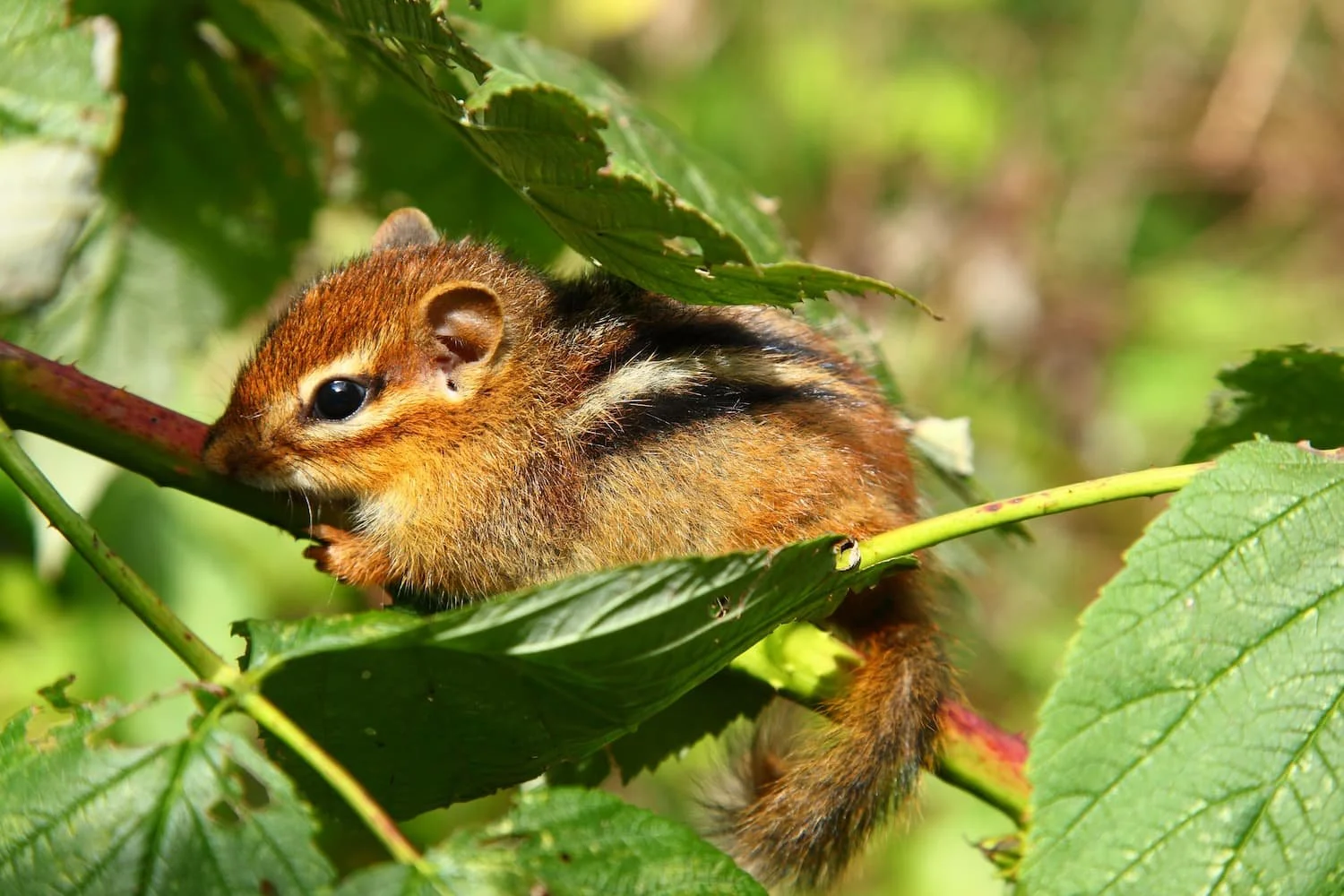
Often, yes, if it’s old enough. Young chipmunks first come above ground at about six weeks old. By then they have full fur and open eyes and look like smaller versions of adults. Their mother weans them around this time, and they head off to find their own territory about two weeks later. A small chipmunk exploring on its own in late spring or late summer is usually just growing up.
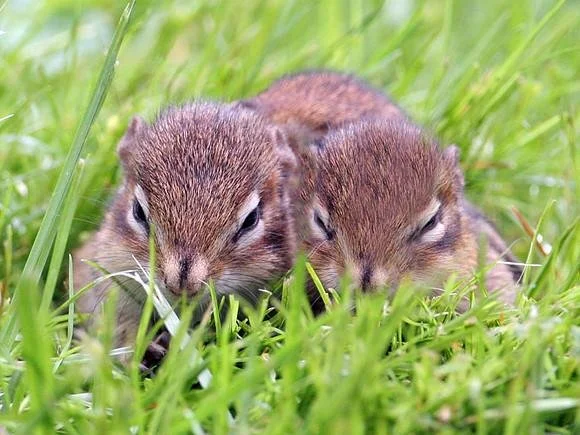
A baby with its eyes closed, little or no fur, or that can’t move well should still be underground with its mother. Babies this young end up on the surface when a burrow is dug up, flooded, or disturbed, when a cat or another predator carries them out, or when something has happened to their mother.
Chipmunks in Virginia usually have litters in spring and again in mid to late summer.
Does This Baby Chipmunk Need Help?
The Baby Is Probably Okay If...
Leave the chipmunk where it is if:
It has full fur and its eyes are open.
It runs, climbs, or hides when you get close.
It is alert, active, and has no visible injuries.
It is exploring near a burrow entrance, stone wall, woodpile, or shrubs.
It hasn’t been caught, carried, or injured by a cat or dog.
Keep people and pets away and let it be. A healthy young chipmunk that can run from you doesn’t need to be rescued.
The Baby Needs Help If...
Contact a licensed wildlife rehabilitator if:
It has been caught, carried, bitten, or injured by a cat or dog, even if you can’t see a wound.
Its eyes are closed or it has little or no fur.
It is cold, weak, lethargic, or unresponsive.
It has visible wounds, bleeding, swelling, or another injury.
It can’t walk, climb, or move normally.
It is covered with flies, fly eggs, or maggots.
It is stuck on a glue trap or caught in another trap.
The mother is confirmed dead.
It lets you walk up and pick it up easily, or keeps approaching or following people.
If the baby is injured, cold, weak, or otherwise in distress, contact Roanoke Wildlife Rescue or another licensed wildlife rehabilitator as soon as possible. Do not feed the baby or give it water while you wait for instructions.
What NOT to Do if You Find a Baby Chipmunk
To avoid harming a baby chipmunk, never:
Feed the baby or give it water, milk, formula, seeds, nuts, fruit, or other food unless a licensed wildlife rehabilitator tells you to.
Try to feed a baby with a bottle, syringe, dropper, or other device. Liquids can get into the lungs and cause serious complications.
Try to raise or keep a baby chipmunk as a pet.
Catch a healthy young chipmunk that can run away from you.
Dig into, flood, or block a burrow to look for the mother or siblings.
Move the baby to another area.
Pet, cuddle, play with, or handle the baby more than necessary.
Let children or pets interact with the baby.
Place the baby directly on a heating pad, hot water bottle, or other hot surface.
Try to pull a chipmunk off a glue trap.
Steps to Take
If the Young Chipmunk Is Furred, Active, and Healthy
Give it space. Keep pets indoors or supervised for a day or two while the young chipmunks in the area get settled. Don’t try to catch it just because you don’t see its mother. Chipmunks this age are learning to live on their own.
If the Baby’s Eyes Are Closed or It Can’t Move Well
A baby this young should still be underground. Note exactly where you found it and whether there is a burrow entrance nearby, then contact us right away.
Don’t push the baby into a burrow hole or dig to find the nest. Very young babies lose body heat quickly, so we’ll help you decide whether a short reunion attempt makes sense or whether the baby needs care now.
If the Baby Is Cold, Weak, or Injured
If the baby is cold, weak, lethargic, injured, bleeding, unable to move normally, or covered with flies, fly eggs, or maggots, contact Roanoke Wildlife Rescue or another licensed wildlife rehabilitator as soon as possible.
Don’t wait to see if the mother returns to a baby whose condition is getting worse. Don’t offer food or water. Follow the rehabilitator’s instructions about warmth, containment, and transport.
If a Cat or Dog Had the Baby
This is the most common reason chipmunks come into our care. Contact us right away, even if you can’t see an injury. Tiny puncture wounds are easy to miss, and bacteria from a cat’s mouth can cause a serious infection that needs prompt treatment.
Separate the pet from the chipmunk and follow the rehabilitator’s instructions for what to do next.
If the Baby Is Stuck on a Glue Trap
Don’t try to pull the chipmunk off the trap. Pulling can tear skin and break bones. Wearing gloves, lightly sprinkle cornmeal or flour over any exposed glue so the chipmunk doesn’t get more stuck. Put the chipmunk and the trap together in a box with air holes, keep it in a quiet place, and call us right away.
If the Mother Is Confirmed Dead
If you know the mother has died and the babies still depend on her, contact a licensed wildlife rehabilitator promptly. There may be more babies in the burrow. Tell the rehabilitator where the mother and baby were found so they can advise you about siblings. Don’t dig into the burrow yourself.
Can a Baby Chipmunk Be Reunited With Its Mother?
Sometimes. Baby chipmunks stay underground until they are nearly grown, so reunions work differently than they do for squirrels. A mother chipmunk may move her young from one burrow to another, and a healthy baby found right beside an active burrow entrance may still be retrieved.
Before attempting a reunion, make sure the baby is warm, alert, uninjured, and otherwise stable. A baby that is cold, weak, injured, covered with flies or fly eggs, or has had contact with a cat or dog should be checked by a licensed wildlife rehabilitator instead.
Give the Mother an Opportunity to Retrieve the Baby
If we advise a reunion attempt, place the baby right next to the burrow entrance it most likely came from. Keep children and pets indoors and move far enough away that the mother feels safe coming out.
Chipmunks are active only during the day, so a mother won’t come looking for her baby after dark. Watch from a distance and avoid checking on the baby over and over.
If the Mother Does Not Return
There’s no single waiting period that works for every baby. The baby’s age, the weather, the time of day, and predators all affect how long a reunion attempt can safely continue.
If the mother hasn’t retrieved the baby, the baby starts to get cold or weak, or you’re not sure how long to keep waiting, contact a licensed wildlife rehabilitator for guidance.
If You Already Brought the Baby Inside
A reunion may still be possible. Contact Roanoke Wildlife Rescue or another licensed wildlife rehabilitator before putting the baby back outside.
Do not feed the baby or give it water while you wait for instructions.
What to Do While You Wait for Help
If a wildlife rehabilitator advises you to contain the baby chipmunk while you arrange care, keep handling to a minimum.
Place the baby in a small, secure box or carrier with air holes and a lid. Chipmunks are fast and can squeeze through small gaps.
Line the container with a soft, clean cloth without loose threads.
Keep the container in a warm, dark, quiet place away from household activity.
Keep children and pets completely away.
Handle the chipmunk only when necessary.
If the baby is cold, ask the rehabilitator how to provide warmth safely. Do not place the baby directly on a heating pad or other hot surface.
Do not give the baby food, water, milk, or formula.
Follow the rehabilitator’s instructions for transport and any additional care.
Quiet, temporary containment is not the same as raising the baby. The goal is to keep the chipmunk safe and stable until it can be reunited with its mother or transferred to a licensed wildlife rehabilitator.
Do Not Keep or Attempt to Raise a Baby Chipmunk
If a baby chipmunk needs help, contact a licensed wildlife rehabilitator as soon as possible. Do not keep it as a pet or try to raise it yourself.
Baby chipmunks are tiny, weighing only a few grams, and their nutritional needs change quickly as they grow. The wrong formula, feeding technique, or diet can cause serious illness or death. Feeding a cold or dehydrated baby, or feeding too quickly, can also cause life-threatening complications.
Raising a chipmunk for release takes much more than keeping it warm and fed. Young chipmunks need to develop the strength, coordination, food-finding and caching skills, and wariness of people and predators they’ll need in the wild. Licensed wildlife rehabilitators provide this care while limiting human contact.
If you’ve already been caring for a baby chipmunk, contact Roanoke Wildlife Rescue as soon as possible. Tell us how long you’ve had the baby and everything it has been fed or given to drink. Don’t keep feeding it until a wildlife rehabilitator gives you instructions.
About Baby Chipmunks
Eastern chipmunks are born in an underground nest chamber after a pregnancy of about 31 days. A litter usually has 1 to 8 babies. At birth each one is blind, hairless, and weighs about 2 to 3 grams, roughly the weight of a penny.
Knowing how young chipmunks normally develop can help you tell when a baby is simply growing up and when something may be wrong.
How Mother Chipmunks Care for Their Young
The mother raises her litter alone in a leaf-lined nest chamber deep in her burrow. Males play no part in raising the young. The burrow keeps the babies warm and hidden from predators while they grow.
When Do Baby Chipmunks Leave the Burrow?
Baby chipmunks’ eyes open at about 30 days old, and they first come above ground at about six weeks. Before then, a baby should not be on the surface at all. That’s why a baby with closed eyes found outside is almost always in trouble.
When Do Young Chipmunks Become Independent?
The mother weans her young once they come above ground. She then either moves them to another burrow or leaves them the birth burrow and moves out herself. About two weeks after first coming out, the young chipmunks move off to set up their own burrows. During this time, a young chipmunk may look noticeably smaller than an adult while being fully able to care for itself.
Why Chipmunks Are Important
Chipmunks help keep Virginia’s forests healthy. They gather and bury seeds and nuts, and the ones they don’t eat can grow into new plants. They also spread the spores of fungi that help trees grow, and their digging helps loosen soil. Chipmunks are an important food source for hawks, owls, foxes, snakes, and other native predators.
Found a grown chipmunk that’s hurt? See what to do if you find an injured chipmunk.
Frequently Asked Questions About Baby Chipmunks
-
Eastern chipmunks in Virginia usually have two litters a year. Babies are born in spring and again in mid to late summer, each litter about a month after mating.
The babies stay underground for their first six weeks, so you’re most likely to see young chipmunks above ground in late spring and late summer.
-
Look at its eyes, fur, and how it moves. Newborns are blind, hairless, and pink. Their eyes open at about 30 days. At about six weeks, young chipmunks have full fur, move quickly, and start coming above ground. About two weeks after that, they’re on their own.
If its eyes are closed or it has little fur, it is too young to be above ground. Contact a licensed wildlife rehabilitator.
-
A young chipmunk with full fur and open eyes that runs or hides when you approach is usually fine on its own.
A baby with closed eyes or little fur, one that is cold, weak, or injured, or one that has been caught by a cat or dog needs help. If you’re not sure, call or text us with a photo.
-
Sometimes. A mother may retrieve a healthy baby found right beside her burrow during the day. But very young babies get cold quickly, so contact us before waiting. Don’t dig into or block the burrow.
-
No, not unless a licensed wildlife rehabilitator tells you to. Liquids can get into a baby’s lungs, and the wrong food can make it seriously ill.
If you already fed it, tell the rehabilitator what you gave it, how much, and when.
-
Baby chipmunks drink only their mother’s milk until they’re weaned at about six weeks old. After that, they eat seeds, nuts, berries, mushrooms, insects, and other foods they find on their own.
Don’t try to feed a baby chipmunk. Cow’s milk, pet formulas, and solid food can make it seriously ill, and liquids can get into its lungs. Contact a licensed wildlife rehabilitator instead.
-
Contact a licensed wildlife rehabilitator right away, even if the chipmunk looks fine. Puncture wounds are easy to miss and can lead to serious infections.
Separate the pet from the chipmunk, keep the chipmunk in a quiet, dark box, and don’t offer food or water.
-
Contact Roanoke Wildlife Rescue or another licensed wildlife rehabilitator. A reunion may still be possible for some babies.
Keep the baby in a warm, dark, quiet place with as little handling as possible, and don’t feed it or give it water.
Get Help for a Baby Chipmunk
If you find a baby chipmunk that is injured, cold, weak, too young to be above ground, caught by a cat or dog, or otherwise seems to need help, contact Roanoke Wildlife Rescue for guidance. We can help you decide whether the baby can be left alone or reunited with its mother, or whether it needs professional care.
Do not feed the baby, give it water, keep it as a pet, or try to raise it yourself. If you’ve already brought the baby inside or have been caring for it, contact us and tell us how long you’ve had it and anything it has been fed or given to drink.
Call or text us at 540-330-6119. We’re available daily from 10 AM to 7 PM.