
What to Do if You Find a Fawn
Finding a fawn alone can be concerning, but in most cases, the fawn has not been abandoned and does not need help. Mother deer routinely leave their young alone for hours at a time while they feed nearby. Knowing when to leave a fawn alone—and when it truly needs professional help—can help keep it safe.
Is It Normal to Find a Fawn Alone?
Yes. Finding a young fawn alone is usually normal. Mother deer routinely leave their fawns hidden by themselves for hours at a time while they feed. Staying away also helps the mother avoid drawing attention to the location of her young.
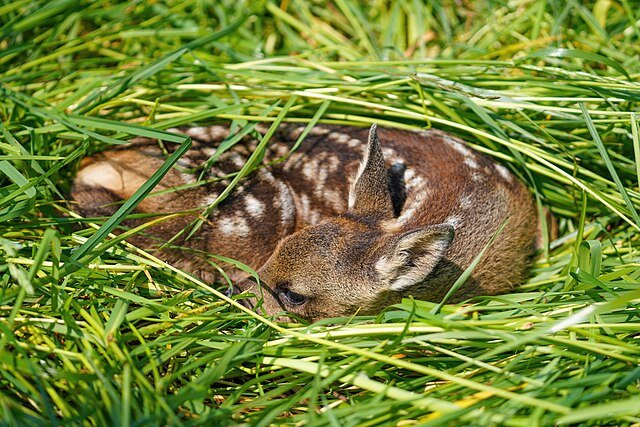
Very young fawns spend much of their time lying quietly and still. Their spotted coats provide camouflage, and they have very little natural scent, helping them remain less noticeable to predators.
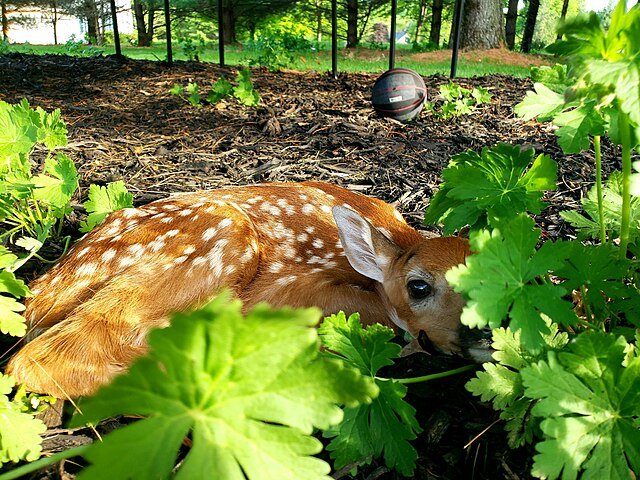
A fawn that is quiet, alert when approached, resting or curled up, and does not appear injured should usually be left exactly where it is. The mother is likely nearby and will return when she feels it is safe.
Does This Fawn Need Help?
The Fawn Is Probably Okay If...
A fawn that is alone does not necessarily need help. Leave the fawn where it is if it:
Is resting quietly or curled up
Appears alert and responsive
Has no visible injuries
Is breathing normally
Is not continuously wandering or crying
Keep people and pets away and leave the area. The mother may wait until you are gone before returning to her fawn.
The Fawn Needs Help If...
Contact a permitted wildlife rehabilitator for guidance if the fawn:
Has visible wounds, bleeding, or a broken limb
Is weak, limp, cold, or unresponsive
Is covered with flies, fly eggs, or maggots
Was caught or injured by a dog or other animal
Is continuously wandering and crying for an extended period
Is lying beside a dead mother or you know the mother has died
Do not remove the fawn unless a licensed wildlife rehabilitator instructs you to do so or it is in immediate danger.
Roanoke Wildlife Rescue does not rehabilitate fawns. If the fawn needs help, use the Virginia Department of Wildlife Resources' licensed wildlife rehabilitator resources to locate an appropriate rehabilitator.
What NOT to Do if You Find a Fawn
Most fawns found alone are waiting for their mothers to return and should not be disturbed. To protect the fawn, never:
Pick up or move a healthy fawn simply because it is alone.
Touch or handle the fawn unnecessarily. Young fawns have very little natural scent, which helps them remain less noticeable to predators. Handling can leave additional scent behind and cause unnecessary stress.
Feed the fawn or give it water.
Take the fawn home or attempt to raise it yourself.
Allow children or pets to approach, touch, or remain near the fawn.
Stay nearby waiting for the mother to return. Your presence may prevent her from approaching.
If the fawn appears healthy, the best thing you can do is leave it exactly where you found it and leave the area.
Steps to Take
If the fawn appears healthy and is resting quietly, leave it exactly where you found it. In most cases, its mother is nearby and will return when she feels it is safe.
If the Fawn Appears Healthy
Leave the fawn where it is and move away from the area. Keep children and pets away, and give the mother plenty of space and time to return.
Do not remain nearby to watch for the mother. She may delay returning while people or pets are present.
If the Fawn Is in an Unsafe Location
If a healthy fawn is near a road, driveway, construction area, or another immediate hazard, do not automatically move it. Contact a licensed wildlife rehabilitator for guidance whenever possible.
If the fawn is in immediate danger and cannot safely remain where it is, follow the rehabilitator’s instructions for moving it the shortest distance necessary.
If the Fawn Is Injured or Truly Orphaned
Keep people and pets away and contact a licensed wildlife rehabilitator for guidance. Do not feed the fawn, give it water, or attempt to transport it unless instructed to do so.
Roanoke Wildlife Rescue does not rehabilitate fawns, but licensed fawn rehabilitators may be available in other areas of Virginia.
What if You Already Touched or Moved the Fawn?
If you already touched or picked up a healthy fawn, don't assume its mother will reject it because of human scent. The bond between a mother deer and her fawn is strong, and simply touching the fawn does not mean it will be abandoned.
If the fawn was moved only a short time ago and is healthy, return it to the exact location where it was found, if it is safe to do so. Then leave the area and keep people and pets away so the mother has an opportunity to return.
What if You Took the Fawn Home?
If you have already brought the fawn home or it has been away from where it was found for an extended period, contact a licensed wildlife rehabilitator before taking further action. Do not feed the fawn or give it water while you wait for guidance.
Do not keep a fawn as a pet or attempt to raise it yourself. Fawns require specialized care, and wildlife rehabilitation must be handled by appropriately permitted professionals.
Do Not Keep or Attempt to Raise a Fawn
If a fawn truly needs help, contact a licensed wildlife rehabilitator who is permitted to care for deer as soon as possible. Do not keep the fawn as a pet or attempt to raise it yourself.
Fawns have specialized nutritional, medical, and developmental needs that are difficult to meet without professional training. Feeding the wrong milk or formula, feeding improperly, or providing inappropriate care can cause serious illness, digestive problems, developmental issues, or death.
Raising a fawn around people can also interfere with the behaviors it needs to survive in the wild. A young deer that becomes accustomed to people may lose its natural wariness and begin approaching or interacting with humans as it grows, which can make successful release more difficult and create serious risks for both the deer and people.
A fawn that appears to need help should receive professional evaluation as soon as possible. Promptly contacting an appropriately permitted wildlife rehabilitator gives the fawn the best opportunity to receive the care it needs while remaining wild and preparing for eventual release.
About Fawns
Fawns are born with adaptations that help them remain hidden and protected during their first weeks of life. Understanding these behaviors can make it easier to recognize why a healthy fawn may spend long periods alone—and why leaving it undisturbed is often the best way to help.
How Mother Deer Care for Their Fawns
Mother deer, called does, care for their fawns differently than many people expect. Rather than staying beside them throughout the day, a doe leaves her young hidden while she feeds and moves through the surrounding area.
She returns periodically to nurse and care for her fawn but spends much of the time away. This behavior helps avoid drawing attention to the fawn's hiding place and is one reason finding a young fawn alone does not usually mean it has been abandoned.
Why Fawns Stay Hidden and Still
During their first weeks of life, fawns rely heavily on camouflage and stillness for protection. Their spotted coats help them blend into vegetation, and very young fawns have very little natural scent, making them more difficult for predators to detect.
When a doe leaves, a young fawn's instinct is often to remain quiet and motionless until she returns. This is normal survival behavior—not necessarily a sign that the fawn is sick, frightened, or abandoned.
Because fawns stay safe by avoiding attention, people and pets should avoid approaching or handling healthy fawns unnecessarily.
When Do Fawns Begin Following Their Mothers?
As fawns grow stronger and more mobile, they gradually begin spending more time following their mothers instead of remaining hidden for long periods. During the first few weeks, however, it is normal for a young fawn to spend much of the day resting alone while its mother is away.
A fawn’s behavior changes quickly as it grows. Being alone is much more typical for a very young fawn than for an older one that can move around easily.
Frequently Asked Questions About Fawns
-
Yes. Young fawns are routinely left alone for hours while their mothers feed nearby. A healthy fawn that is quiet, alert, resting, and has no visible injuries should usually be left exactly where it is. The mother is likely to return when the area is quiet and she feels it is safe.
-
Being alone does not mean a fawn has been abandoned. A fawn may need help if it is weak or unresponsive, visibly injured, covered with flies or maggots, continuously wandering and crying for an extended period, or if you know its mother has died. If you are unsure, contact a permitted wildlife rehabilitator for guidance before moving the fawn.
-
No. A mother deer will not automatically reject her fawn because a person touched it. However, unnecessary handling should still be avoided. Very young fawns have little natural scent and rely on remaining hidden and unnoticed for protection. Handling also causes unnecessary stress and disturbance.
-
If the fawn is healthy and was moved only recently, return it to the exact location where you found it, if it is safe to do so. Then leave the area and keep people and pets away so its mother has an opportunity to return. If you brought the fawn home or it has been away from the area for an extended period, contact a permitted wildlife rehabilitator before taking further action.
-
No. Do not give a fawn food, milk, formula, or water unless specifically instructed by a permitted wildlife rehabilitator. Feeding or giving fluids incorrectly can cause serious harm. If the fawn truly needs help, contact a licensed wildlife rehabilitator who is authorized to care for fawns.
-
Contact a permitted wildlife rehabilitator who is authorized to care for fawns. Roanoke Wildlife Rescue does not rehabilitate fawns. Rehabilitation options may also depend on current Virginia wildlife regulations and the location where the fawn was found.
Get Help for an Injured or Orphaned Fawn
If you believe a fawn is injured or truly orphaned, do not feed it, give it water, or attempt to raise it yourself. Contact the Virginia Department of Wildlife Resources for guidance.
Roanoke Wildlife Rescue does not rehabilitate fawns. Fawn rehabilitation is restricted in some areas of Virginia due to Chronic Wasting Disease (CWD), so it is important to receive guidance specific to where the fawn was found.