
What to Do if You Find a Baby Groundhog
Finding a baby groundhog, also called a woodchuck, alone can be concerning, but whether it needs help depends on its age, condition, and circumstances. Older young groundhogs naturally begin exploring and feeding outside the burrow, while a very young, injured, weak, or displaced baby may need assistance. Knowing what to look for can help you determine when to leave the animal alone and when to contact a licensed wildlife rehabilitator.
Is It Normal to See a Baby Groundhog Outside the Burrow?
Yes. Older baby groundhogs naturally begin coming out of the burrow as they grow. Young groundhogs gradually start exploring their surroundings and eating vegetation while they are still living with and learning from their mother.
Seeing a young groundhog above ground or without its mother immediately visible does not necessarily mean it has been abandoned. The mother may be inside the burrow, nearby, or temporarily away from the area.
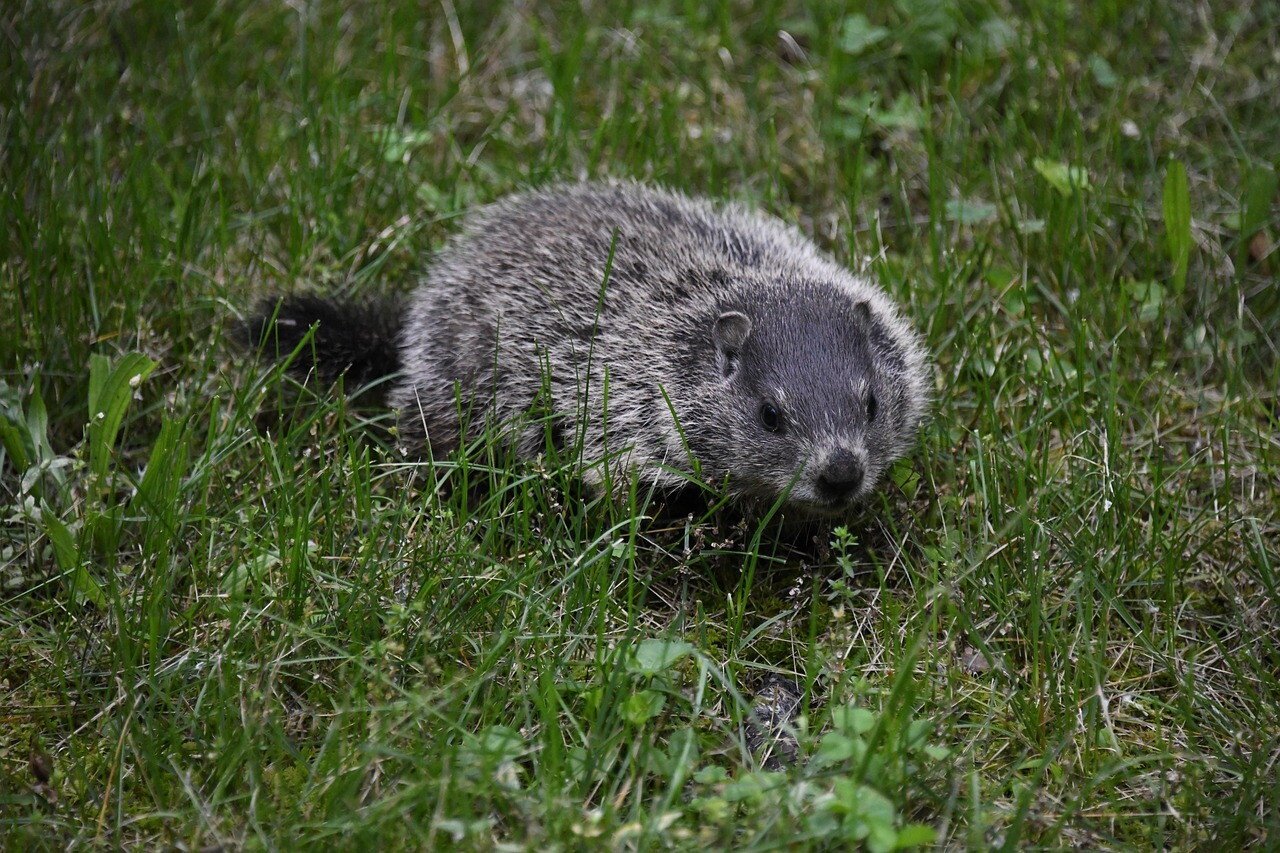
A young groundhog that is alert, active, moving normally, and able to run or retreat toward a burrow should usually be left alone and observed only from a distance.
Very young groundhogs are different. A small, poorly coordinated baby found away from a burrow—especially one that appears cold, weak, injured, or distressed—may need professional help.
Does This Baby Groundhog Need Help?
The Baby Groundhog Is Probably Okay If...
A young groundhog does not necessarily need help simply because it is above ground or alone. Leave it alone and observe from a distance if it:
Is alert and responsive
Is active and moving normally
Appears healthy and well-fed
Is eating grass or other vegetation
Can walk, run, or retreat toward a burrow
Has no visible injuries or signs of distress
Keep people and pets away and give the young groundhog space. Its mother or siblings may be nearby even if you do not see them.
The Baby Groundhog Needs Help If...
Contact a licensed wildlife rehabilitator for guidance if the baby groundhog:
Is very small, poorly coordinated, and found away from a burrow
Is weak, cold, lethargic, or unresponsive
Has visible wounds, bleeding, or another obvious injury
Is covered with flies, fly eggs, or maggots
Has been caught, carried, bitten, or injured by a cat, dog, or other animal, even if no wound is immediately visible
Is stranded after its burrow has been destroyed
Is known to be orphaned because its mother has died
If a cat or dog had direct contact with the groundhog, contact a licensed wildlife rehabilitator even if you cannot see an injury. Keep the pet separated from the groundhog and contact your veterinarian for guidance about the potential wildlife exposure.
Do not capture or move the baby groundhog unless a wildlife rehabilitator instructs you to do so or the animal is in immediate danger.
What NOT to Do if You Find a Baby Groundhog
To protect the baby groundhog and avoid interfering with normal family behavior, never:
Feed a baby groundhog or give it water.
Pick up or handle a healthy young groundhog unnecessarily.
Take a baby groundhog home or attempt to raise it yourself.
Chase, corner, or attempt to catch a healthy young groundhog.
Dig into, block, or disturb an active groundhog burrow.
Attempt to place a displaced baby back into a burrow without guidance from a wildlife rehabilitator.
Allow children or pets to approach or interact with the animal.
If the young groundhog appears healthy and is moving normally, give it space and observe only from a distance. If you believe the baby is injured, orphaned, or displaced, contact a licensed wildlife rehabilitator before intervening.
Steps to Take
If the Young Groundhog Appears Healthy
If the young groundhog is alert, active, moving normally, and appears old enough to explore outside the burrow, leave it alone and give it plenty of space.
Keep children and pets away and observe only from a distance. Its mother and siblings may be nearby even if you cannot see them.
If the Baby Is Very Young or Displaced
A very small baby found away from its burrow may need assistance, especially if it is weak, cold, poorly coordinated, or unable to move normally.
Contact a licensed wildlife rehabilitator before attempting to move or return the baby to a burrow. The rehabilitator can help determine whether reunion is possible or whether the baby needs professional care.
If the Burrow Has Been Disturbed or Destroyed
If a groundhog burrow has been accidentally disturbed, stop activity in the immediate area and give the mother an opportunity to return to her young. Keep people and pets away and avoid further digging, mowing, construction, or other disturbance around the burrow.
Do not place babies into an unfamiliar burrow or attempt to relocate the family yourself. If the babies are exposed, in immediate danger, or the burrow cannot safely remain undisturbed, contact a licensed wildlife rehabilitator for guidance.
If the Baby Is Injured or Truly Orphaned
If the baby groundhog is injured, weak, unresponsive, or you know its mother has died, contact a licensed wildlife rehabilitator as soon as possible.
Do not feed the baby or give it water. Follow the rehabilitator's instructions about whether and how the animal should be contained or transported.
Can a Baby Groundhog Be Reunited With Its Mother?
In some situations, a displaced baby groundhog may be able to reunite with its mother. Whether reunion is appropriate depends on the baby's age and condition, where it was found, and whether the original burrow is still accessible and safe.
If you find a very young groundhog outside its burrow, do not place it inside a burrow or attempt a reunion on your own. Contact a licensed wildlife rehabilitator for guidance. A rehabilitator can help determine whether the baby should be left for its mother, safely reunited, or brought into professional care.
What if You Already Picked Up the Baby?
If you have already picked up or moved the baby groundhog, contact a licensed wildlife rehabilitator before releasing it or attempting to return it to a burrow. Do not release the baby in a different location.
If reunion is appropriate, the rehabilitator can provide instructions based on the baby's condition and the circumstances where it was found.
What if the Mother Doesn't Return?
If the mother does not return, the baby appears weak or distressed, or you know the mother has died, contact a licensed wildlife rehabilitator for further guidance.
Do not feed the baby or give it water while waiting for instructions.
What to Do While You Wait for Help
If a licensed wildlife rehabilitator advises you to contain the baby groundhog, keep it warm, quiet, and secure while you wait for further instructions.
Place the baby in a secure, ventilated box or carrier.
Line the bottom with a soft, clean cloth or towel.
Keep the container in a warm, dark, quiet location away from children and pets.
Handle the baby as little as possible.
Do not offer food or water.
Follow the rehabilitator's instructions for transportation and care.
Do not contain a healthy young groundhog simply because it is alone or outside its burrow. Older juveniles naturally spend time above ground as they become more independent.
Do Not Keep or Attempt to Raise a Baby Groundhog
If a baby groundhog needs help, contact a licensed wildlife rehabilitator as soon as possible. Do not keep the groundhog as a pet or attempt to raise it yourself.
Baby groundhogs have specialized nutritional, medical, housing, and developmental needs. Improper feeding or care can cause serious harm. Young groundhogs also need opportunities to develop natural food-finding behaviors, caution around people, and the other skills needed to survive in the wild.
Too much interaction with people can cause a young groundhog to become accustomed to humans, which can interfere with successful rehabilitation and release.
Virginia wildlife rehabilitation guidelines classify groundhogs as a species with a high risk of carrying and transmitting rabies. Keeping or attempting to care for a groundhog yourself can put both you and the animal at risk. Unnecessary handling may increase the possibility of human or pet exposure, and delays in seeking professional help can complicate how a potential rabies exposure must be handled. In some circumstances, public-health officials may determine that rabies testing is necessary, which requires the animal to be euthanized because rabies testing cannot be performed on a live animal.
If you have already been caring for a baby groundhog, contact Roanoke Wildlife Rescue as soon as possible. Tell us how long you have had the groundhog, what it has been fed or given to drink, and whether any person or pet may have had direct contact with it.
About Baby Groundhogs
Baby groundhogs are born in underground burrows and spend their earliest weeks completely dependent on their mother. As they grow, they begin emerging from the burrow, exploring their surroundings, and learning to forage before eventually becoming independent.
How Mother Groundhogs Care for Their Young
Mother groundhogs raise their young in protected underground burrows. The babies remain below ground while they are very young, where their mother nurses and cares for them.
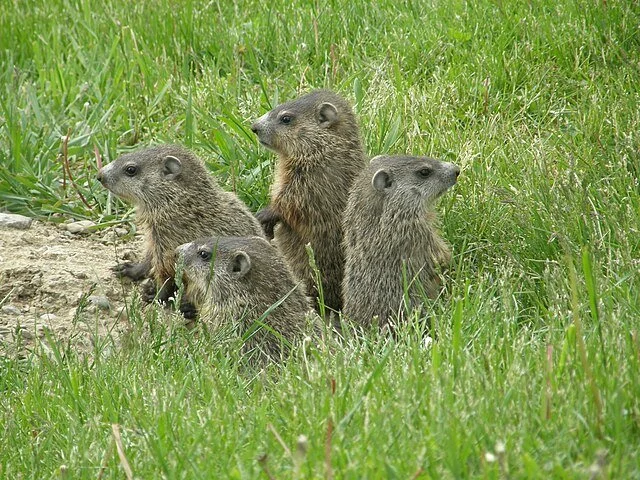
As the young become stronger, they begin venturing above ground and exploring near the burrow. They may be seen together as a group or individually while their mother is nearby or out of sight.
When Do Baby Groundhogs Leave the Burrow?
Young groundhogs begin emerging from the burrow once they are developed enough to explore and eat vegetation. At first, they generally remain close to the burrow, but they gradually travel farther as they become stronger and more independent.
This is why seeing a young groundhog outside by itself does not automatically mean it has been abandoned. An alert, active juvenile that can move normally and retreat toward a burrow is usually displaying normal behavior.
What Do Young Groundhogs Eat?
As young groundhogs transition from nursing to solid food, they begin eating the same types of vegetation as adults. Their natural diet includes grasses, leaves, clover, and other plants found around their habitat.
Seeing a young groundhog grazing is generally a good sign that it is old enough to be exploring above ground. People should not offer food, milk, formula, or water to a wild baby groundhog.
When Do Young Groundhogs Become Independent?
Young groundhogs become increasingly independent as they grow and eventually leave their mother's territory to establish areas of their own. During this transition, juveniles may spend more time alone and travel farther from the family burrow.
Because independence develops gradually, being alone is not enough to determine that a young groundhog is orphaned. Its physical condition and behavior are much better indicators of whether it needs help.
Frequently Asked Questions About Baby Groundhogs
-
Yes. Older baby groundhogs naturally begin exploring and feeding outside the burrow as they grow. A young groundhog that is alert, active, moving normally, and able to retreat toward a burrow usually does not need help simply because its mother is not visible.
-
Being alone does not mean a baby groundhog is orphaned. A baby may need help if it is very small and found away from its burrow, weak or unresponsive, visibly injured, continuously distressed, or if you know its mother has died. If you are unsure, contact a licensed wildlife rehabilitator before intervening.
-
Keep people and pets away and contact a licensed wildlife rehabilitator for guidance. Do not automatically place the baby into a burrow, since it may not be the correct burrow and the circumstances should be evaluated before attempting a reunion.
-
Stop activity around the burrow and give the mother an opportunity to return to her young. Keep people and pets away and avoid further digging, mowing, construction, or other disturbance. If babies are exposed or in immediate danger, contact a licensed wildlife rehabilitator for guidance before moving them.
-
No. Do not offer a baby groundhog food, milk, formula, or water unless a licensed wildlife rehabilitator specifically instructs you to do so. Feeding or giving fluids incorrectly can cause serious harm.
-
If you have already picked up or moved the baby, contact a licensed wildlife rehabilitator for guidance. Reunion with its mother may still be possible depending on the baby's condition and where it was found. Do not release it somewhere else or attempt to place it into a burrow without professional guidance.
Get Help for a Baby Groundhog
If you find a baby groundhog that is injured, weak, truly orphaned, displaced from its burrow, or otherwise appears to need help, contact Roanoke Wildlife Rescue for guidance. We can help you determine whether the baby needs professional care and what to do next.
Do not feed the baby, give it water, or attempt to raise it yourself. If containment is necessary, follow the instructions provided by a wildlife rehabilitator.