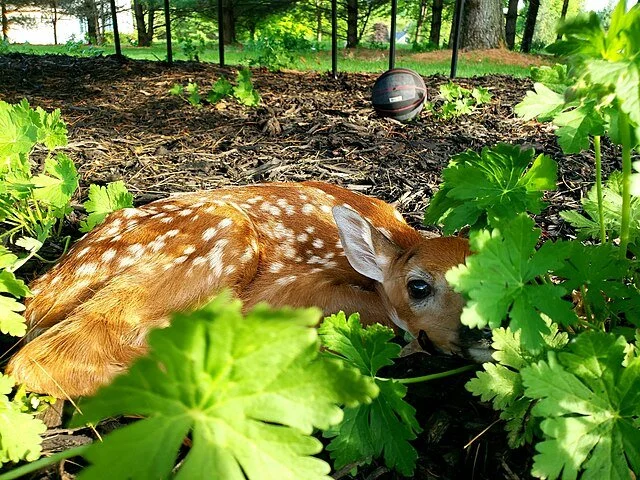
What to Do if You Find a Fawn
Finding a fawn can be emotional and confusing. In most cases, the best help is no help at all. Knowing when to leave a fawn alone and when to call a professional can save its life.
Finding a Fawn Alone: What’s Normal
A fawn lying quietly by itself is normal behavior. Mother deer leave their fawns alone for hours at a time to avoid attracting predators.
If the fawn is:
Calm
Alert
Quiet
Curled up or resting
It does not need help. The mother is almost always nearby.
What NOT to Do if You Find a Fawn
Do not chase, pick up, or move a healthy fawn.
Do not assume the mother has abandoned her fawn — its mother often leaves it alone for hours.
Do not touch the fawn; human scent and stress can put it at risk.
Intervening unnecessarily can do more harm than good.
What You Should Do Instead
Observe the fawn from a distance.
Keep pets and people away.
Leave the area so the mother feels safe returning.
Call a licensed wildlife rehabilitator only if actual distress appears.
When a Fawn Truly Needs Help
A fawn requires immediate professional help if:
It lies flat, limp, or unresponsive.
It’s covered in flies or fly eggs.
It runs around crying or screaming for more than an hour.
It has visible injuries, or an animal attacked it.
If you see any of these signs, contact a licensed wildlife rehabilitator immediately.
RWR does not rehabilitate fawns. Please use the Virginia Department of Wildlife Resources rehabilitator list to find appropriate help.
The Best Way to Help a Fawn
When you find a fawn , the safest and most humane response is to limit human interaction and involve trained wildlife professionals when necessary.
Giving fawns space — or getting expert help quickly — gives them the best chance to survive.