What to Do if You Find a Baby Groundhog
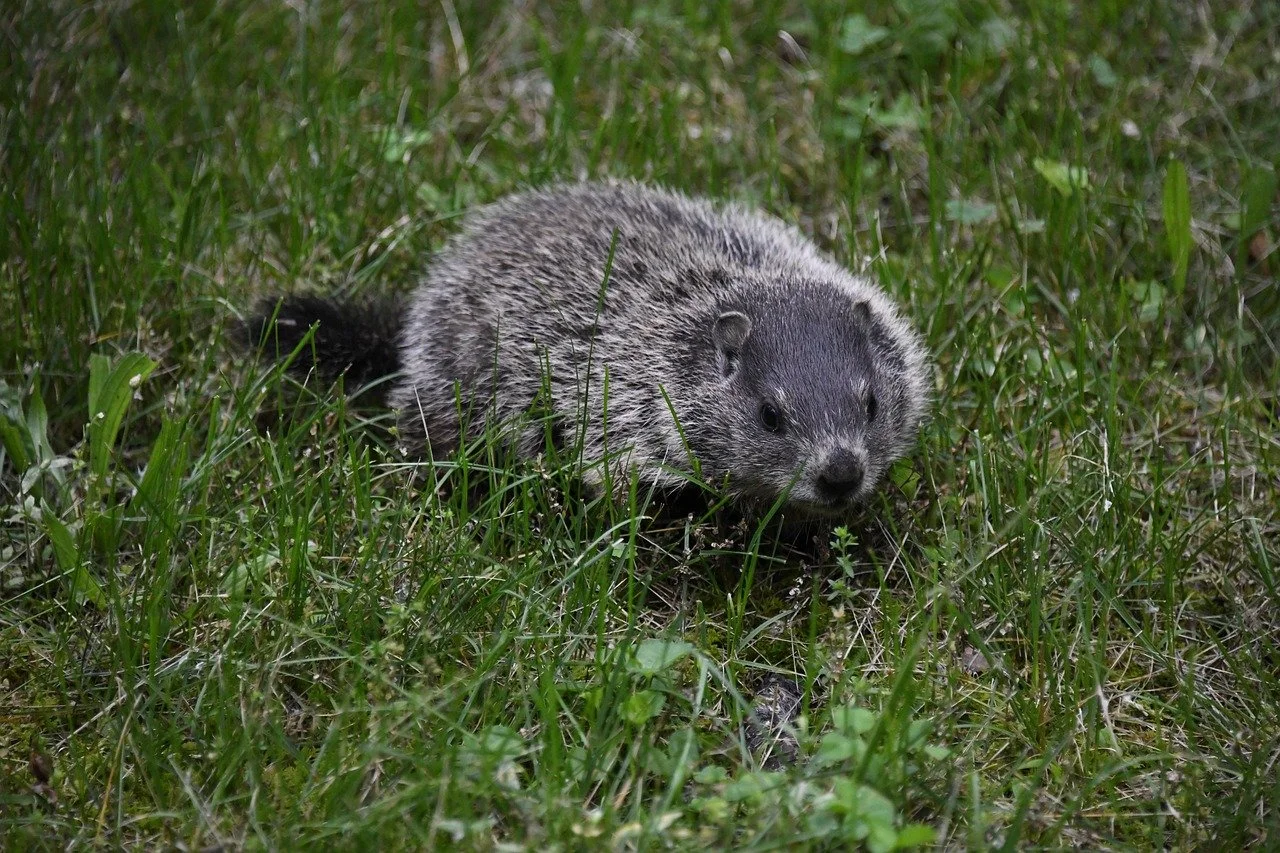
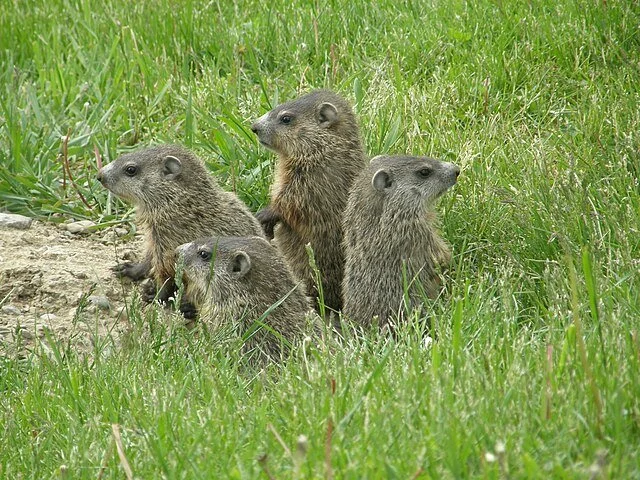
Finding a baby groundhog — also called a woodchuck — can be concerning, especially if the babies appear alone or outside their burrow. In many cases, young groundhogs do need professional help, as mothers do not retrieve displaced babies the way some wildlife species do.
When Baby Groundhogs Need Help
Baby groundhogs require assistance if:
The babies are too young and outside the burrow.
The mother is confirmed dead or missing.
The babies appear injured, cold, weak, or lethargic.
The babies are covered in flies or fly eggs.
These situations call for immediate professional care.
What NOT to Do if You Find Baby Groundhogs
Do not feed baby groundhogs or give them water.
Do not chase, corner, or attempt to return them to the burrow.
Do not attempt to raise baby groundhogs yourself.
Improper handling or feeding can cause serious harm.
What to Do Right Away
If you find baby groundhogs in distress:
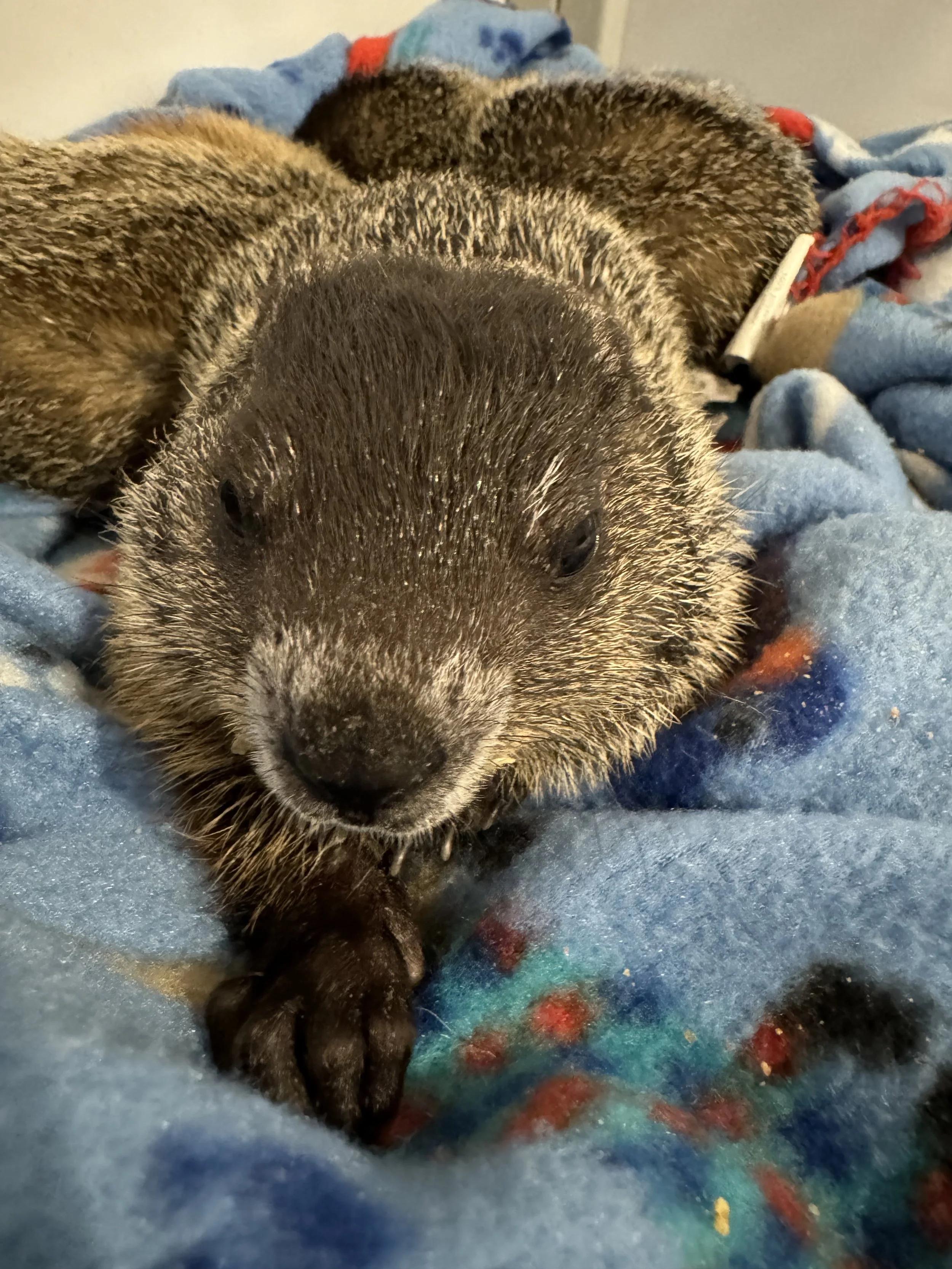
Place them in a warm, ventilated box.
Use a soft cloth for bedding (no loose threads).
Keep the box quiet, dark, and secure.
Keep pets and people away.
Contact a licensed wildlife rehabilitator promptly.
Do not delay — young groundhogs decline quickly without proper care.
Give Baby Groundhogs the Best Chance to Survive
Baby groundhogs need species-specific care to survive and return to the wild. The safest and most humane response is to limit handling and contact a licensed wildlife rehabilitator as soon as possible.
Quick, correct action gives these babies the best chance to grow up healthy and wild.