What to Do if You Find a Baby Raccoon
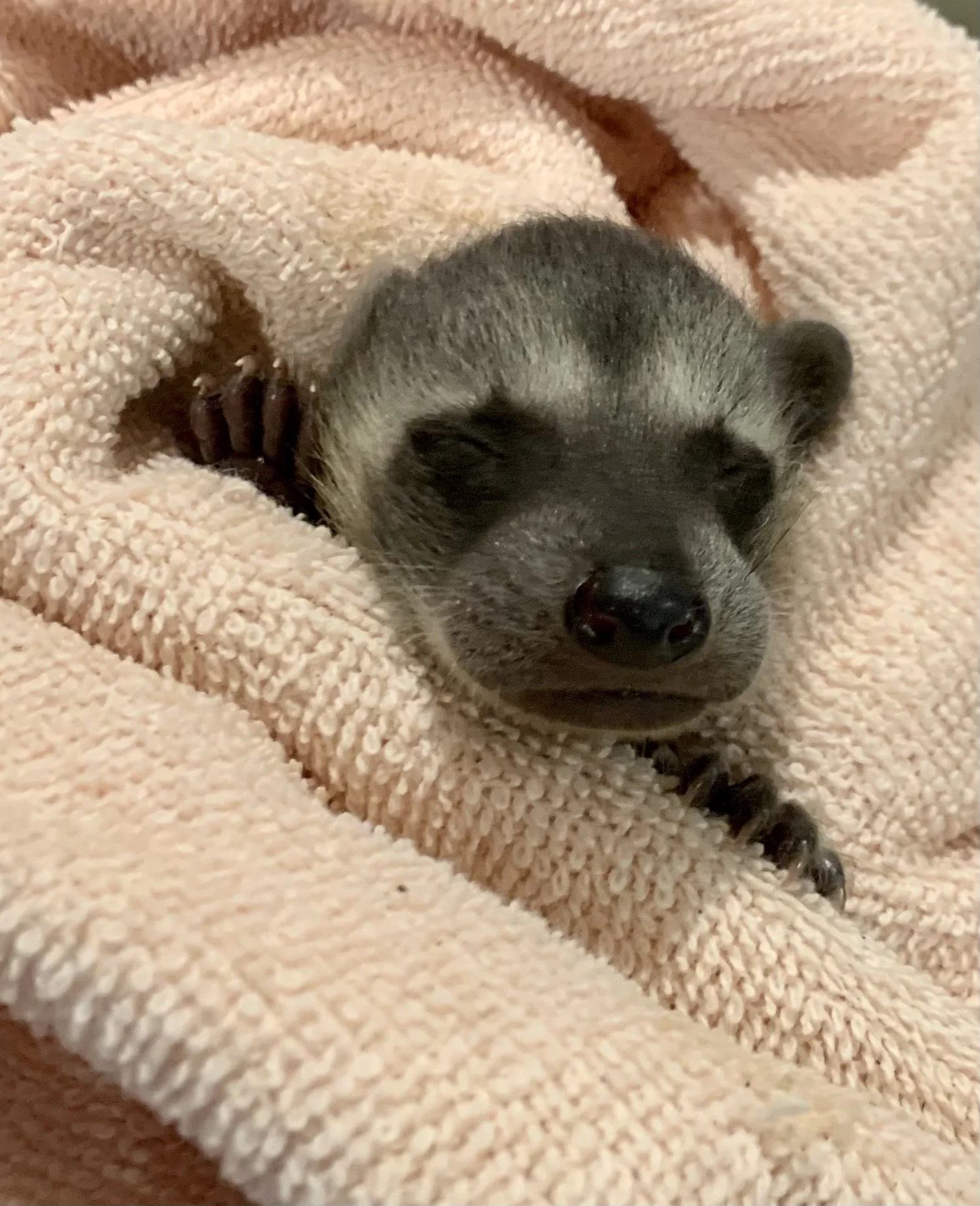
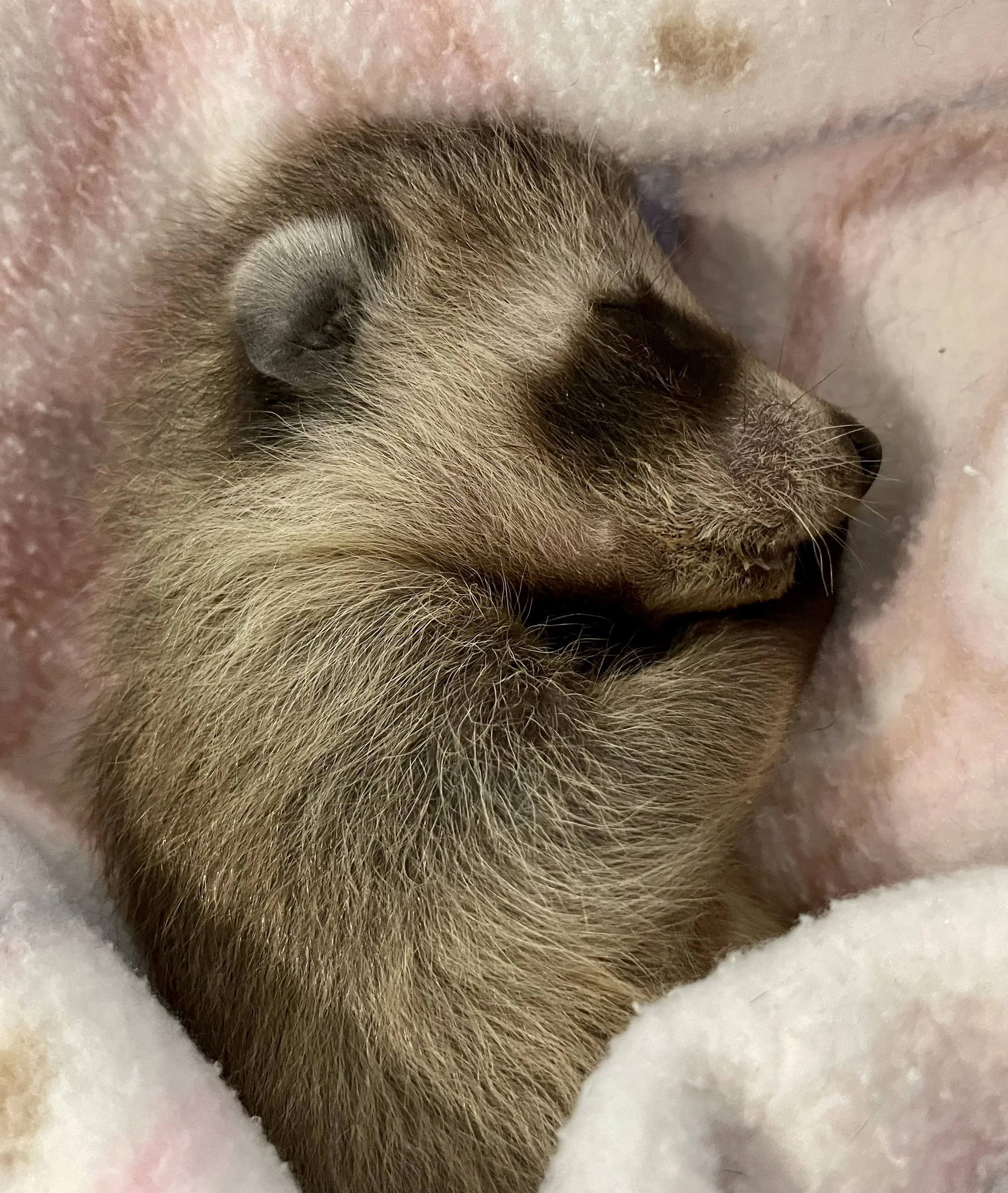
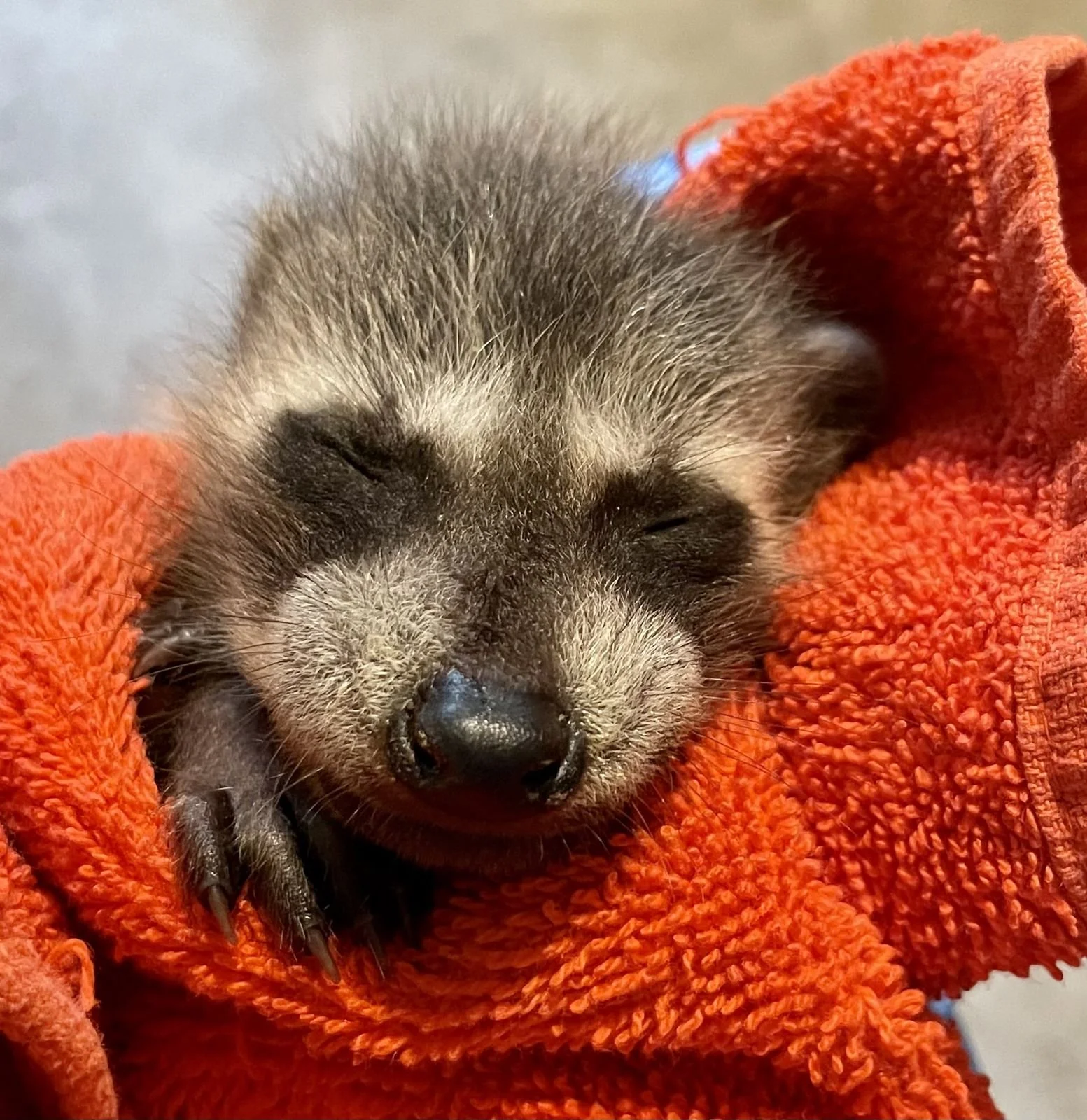
Finding a baby raccoon alone can be alarming, but in many cases, the animal is not orphaned and does not need human intervention. Knowing when to step back — and when to act — can make the difference between survival and serious harm.
Mother Raccoons Are Excellent Caregivers
Mother raccoons are highly attentive and devoted to their young. It’s common for baby raccoons to appear alone while their mother is foraging for food nearby.
If you find baby raccoons that seem misplaced, give the mother time to retrieve them.
What to do:
Place the babies in a secure box or container with ventilation. Make sure the box is tall and secure enough to prevent the babies from easily escaping, while still allowing the mother easy access.
Place the box near where you found them, ideally along a path the mother naturally travels.
Leave the area and observe from a distance.
Leave them overnight if necessary — mother raccoons almost always return for their young.
Intervening too quickly can unintentionally orphan healthy babies.
When Baby Raccoons Truly Need Help
A baby raccoon likely needs professional assistance if any of the following apply:
The baby is crying continuously and has been alone for several hours.
The mother is confirmed dead.
The baby has visible injuries, or an animal attacked it.
The baby is weak, lethargic, or covered in flies or fly eggs.
These situations require immediate action.
What to Do if a Baby Raccoon Needs Help
If intervention is necessary:
Place the baby in a warm, quiet box with soft bedding.
Wear gloves when handling to protect yourself and the animal.
Keep pets and children away.
Contact a licensed wildlife rehabilitator immediately for instructions.
Do not attempt to feed the baby or provide water unless directed by a professional.
Never Attempt to Raise a Baby Raccoon Yourself
Raising a raccoon without proper permits is illegal in many areas. Wildlife laws exist to protect both people and animals.
Keeping a baby raccoon — even temporarily — can result in:
Confiscation of the animal
Significant fines
Mandatory rabies testing, which requires euthanasia
What feels like helping can unintentionally put the animal at serious risk.
Health and Safety Risks of Baby Raccoons
Baby raccoons can carry diseases and parasites that pose serious risks to humans and pets, including:
Rabies
Distemper
Parvovirus
Raccoon roundworm (a potentially life-threatening parasite)
Even fleas and ticks can transmit illness, but exposure to roundworms is hazardous and requires extreme caution.
Why Human-Raised Raccoons Cannot Return to the Wild
Raccoons require species-specific care to develop survival skills. Without proper rehabilitation:
They don’t learn how to forage naturally.
They struggle to avoid predators.
They fail to integrate into wild raccoon populations.
Only trained, licensed rehabilitators can provide the care necessary for successful release.
Why Raccoons Become Dangerous as They Grow
Baby raccoons may seem harmless, but they grow quickly. As they mature and hormones develop, even hand-raised raccoons can become:
Aggressive
Unpredictable
Dangerous to humans and pets
You cannot train wild instincts out of a wild animal.
Give Baby Raccoons the Best Chance to Survive
The most humane and legal way to help a baby raccoon is to allow the mother to retrieve it or to transfer the animal to a licensed wildlife rehabilitator when necessary.
Taking these steps ensures the raccoon grows up healthy, safe, and truly wild — exactly where it belongs.