What to Do if You Find a Baby Fox
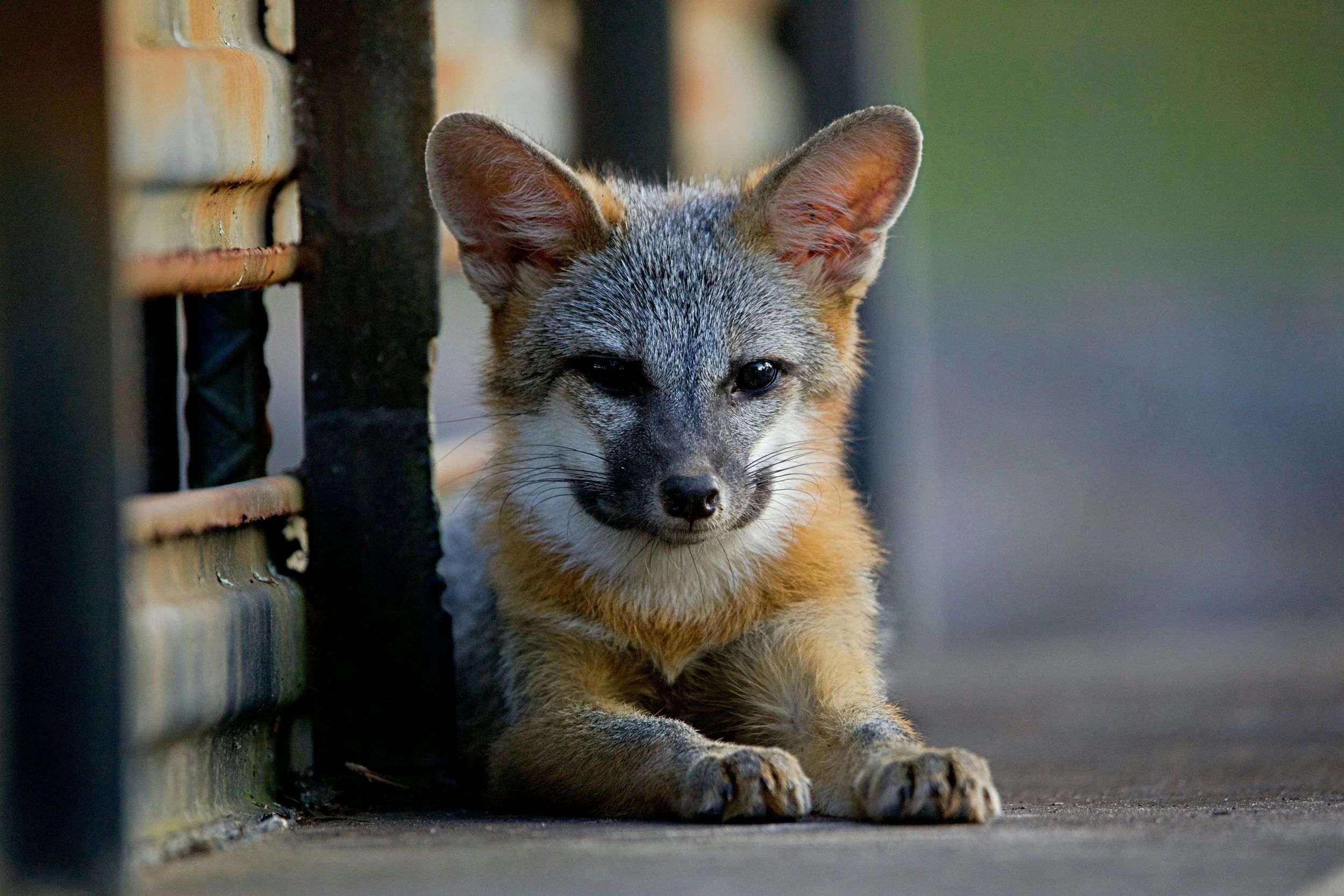
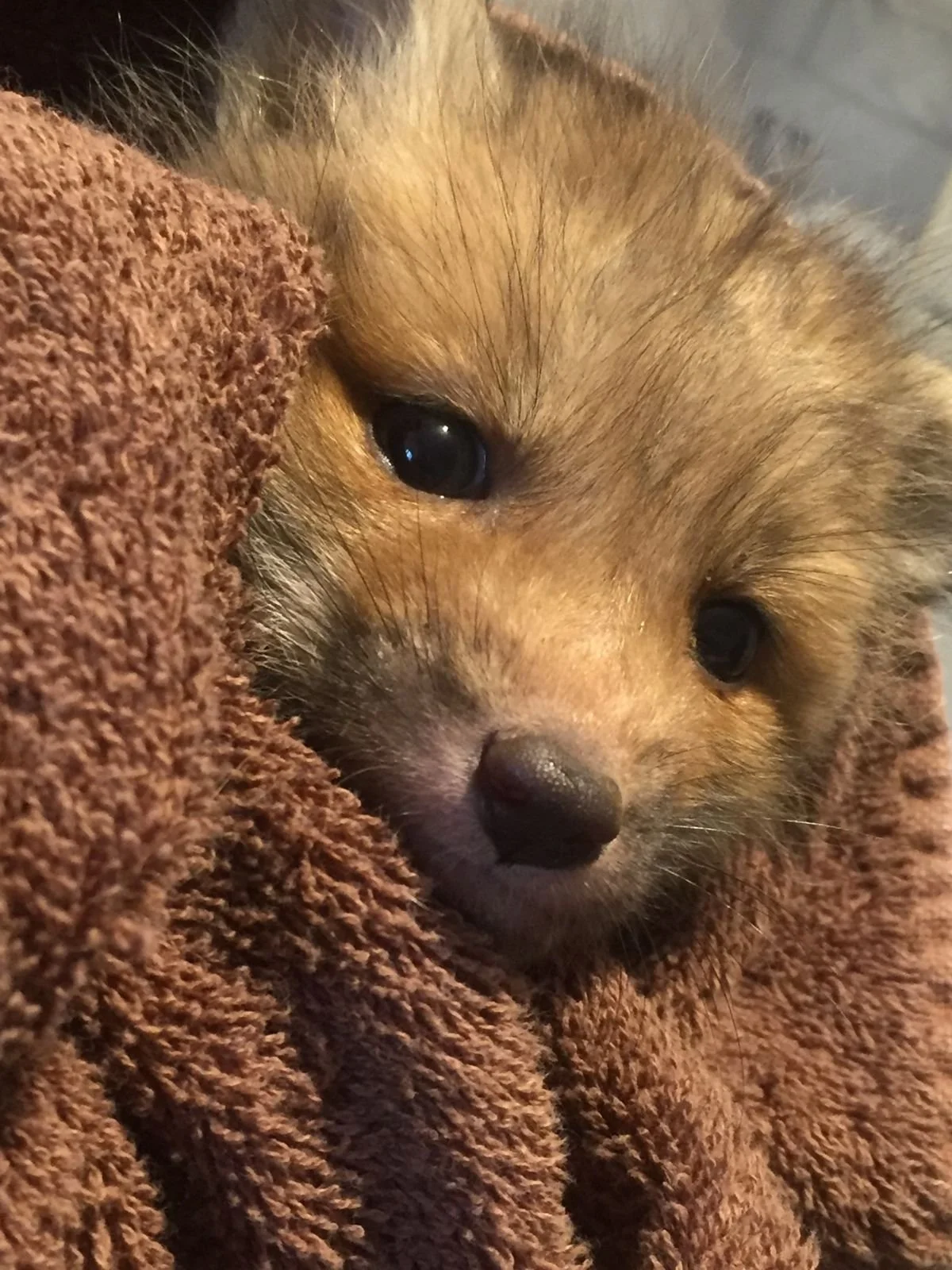
Finding a baby fox — also called a fox kit — can be surprising and concerning. People do not need to intervene in most cases. Fox parents often leave their young alone for long periods, especially during daylight hours. Knowing when to wait and when to act is essential for the kit’s survival.
When Baby Foxes Need Help
A baby fox may need professional help if:
The kit is wandering alone and crying continuously.
The den has been destroyed or severely disturbed.
The kit has visible injuries or appears weak or ill.
If any of these signs are present, contact a licensed wildlife rehabilitator immediately.
What NOT to Do if You Find a Baby Fox
Do not feed a fox kit or give it water.
Do not attempt to raise a baby fox yourself.
Do not move healthy kits unnecessarily.
Improper handling or feeding can seriously harm fox kits and may be illegal in many areas.
What You Should Do Instead
Observe from a distance — the parents are often nearby but hidden.
Give the parents time to relocate the kits if the den area has been disturbed.
Keep pets and people away from the area.
Call a licensed wildlife rehabilitator for guidance if the kits appear sick, injured, or truly abandoned.
Why Waiting Matters
Fox parents are competent caregivers. Intervening too soon can separate healthy kits from their parents and reduce their chances of survival. Professional wildlife care is only needed when clear signs of distress or abandonment appear.
Give Baby Foxes the Best Chance to Survive
The most humane and effective way to help baby foxes is to limit human contact and involve trained wildlife professionals when necessary. Giving parents space — or calling for expert help at the right time — protects both the foxes and your safety.