What to Do if You Find a Baby Opossum
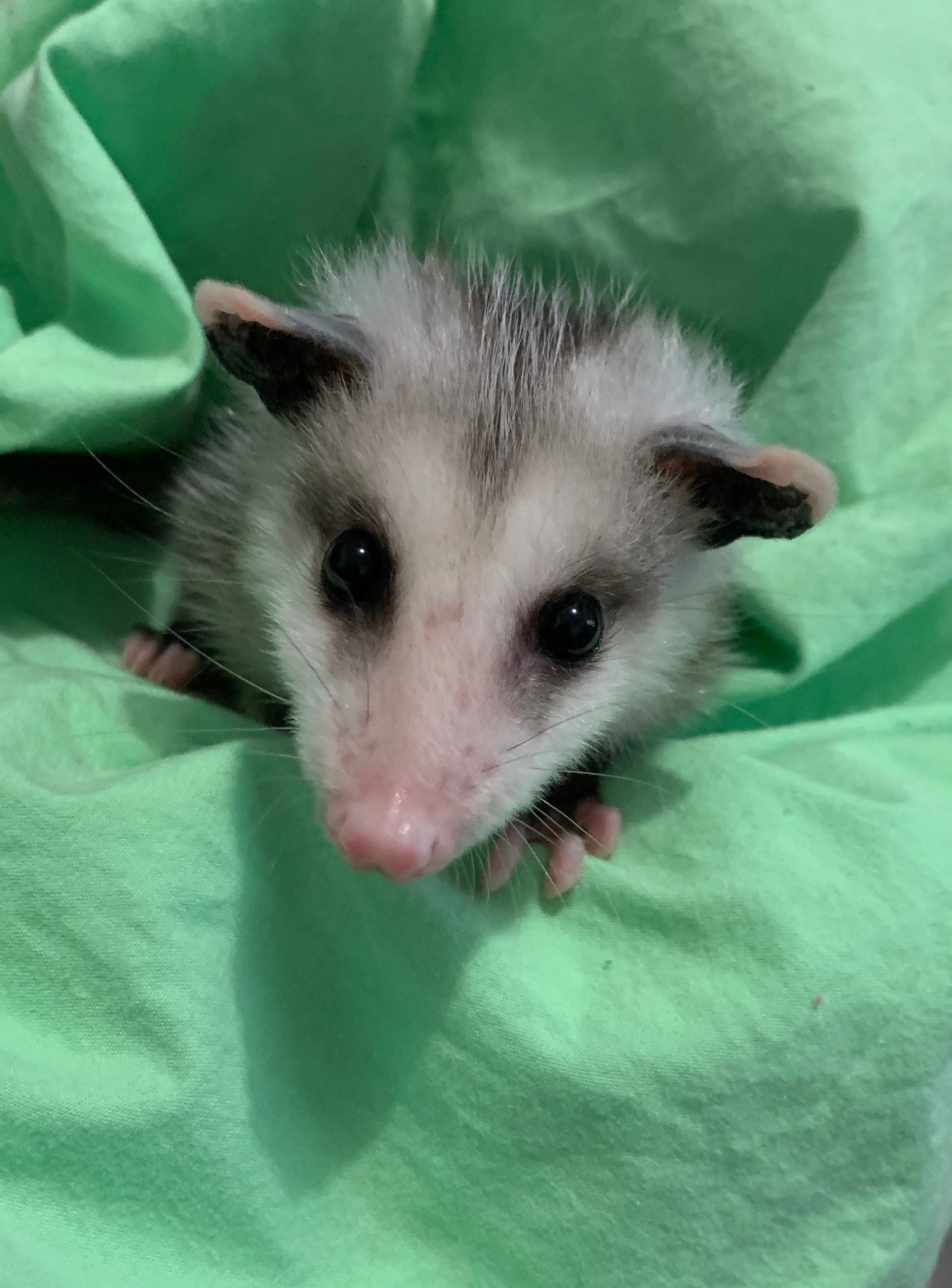
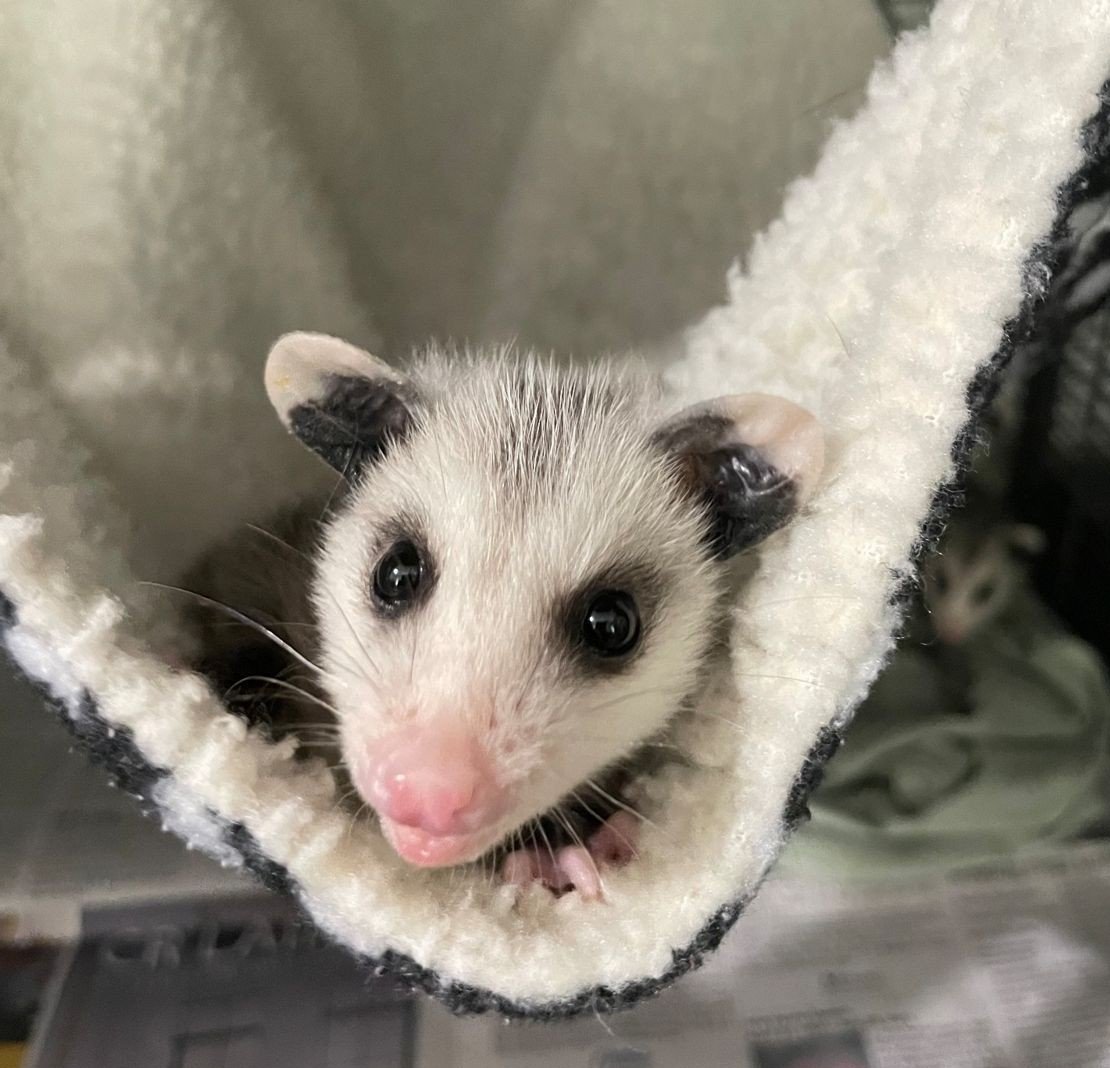
Finding a baby opossum — often called a joey — can be alarming. Unlike many wildlife species, baby opossums almost always need help if they are alone. Acting quickly and correctly can save their lives.
When Baby Opossums Need Help
A baby opossum needs immediate professional care if:
It’s alone and smaller than 7 inches from nose to rump (not including the tail).
The mother was struck by a car or confirmed dead.
The baby is cold, injured, bleeding, or weak.
A cat or a dog carried the baby.
The baby is wandering, crying, or appears disoriented.
The baby is covered in flies or fly eggs.
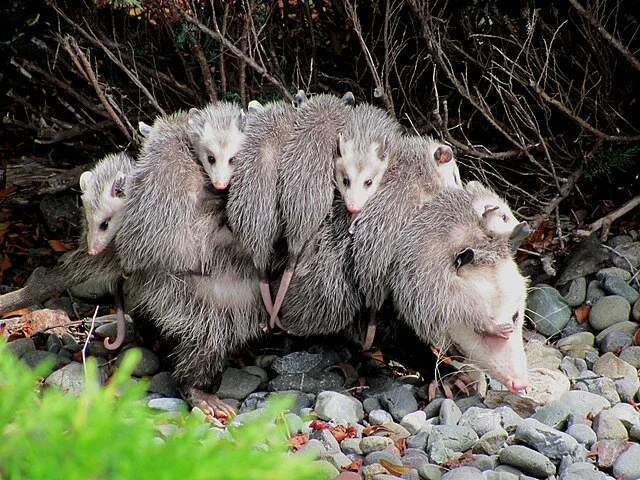
Healthy opossum joeys remain in their mother’s pouch or cling tightly to her back. If the mother dies, the joeys often remain attached until someone removes them.
How to Safely Remove Joeys From the Pouch
Opossum joeys latch firmly onto their mother’s nipple. Remove them carefully to avoid injury. It’s essential to remove them as soon as possible so they don’t nurse on rancid milk, which can be fatal.
To remove joeys safely:
Wear gloves if possible, and wash your hands afterward.
Support the joey’s body, and pull gently and steadily until it releases.
Do not yank or twist.
Move slowly and patiently.
Continue until you remove all the joeys.
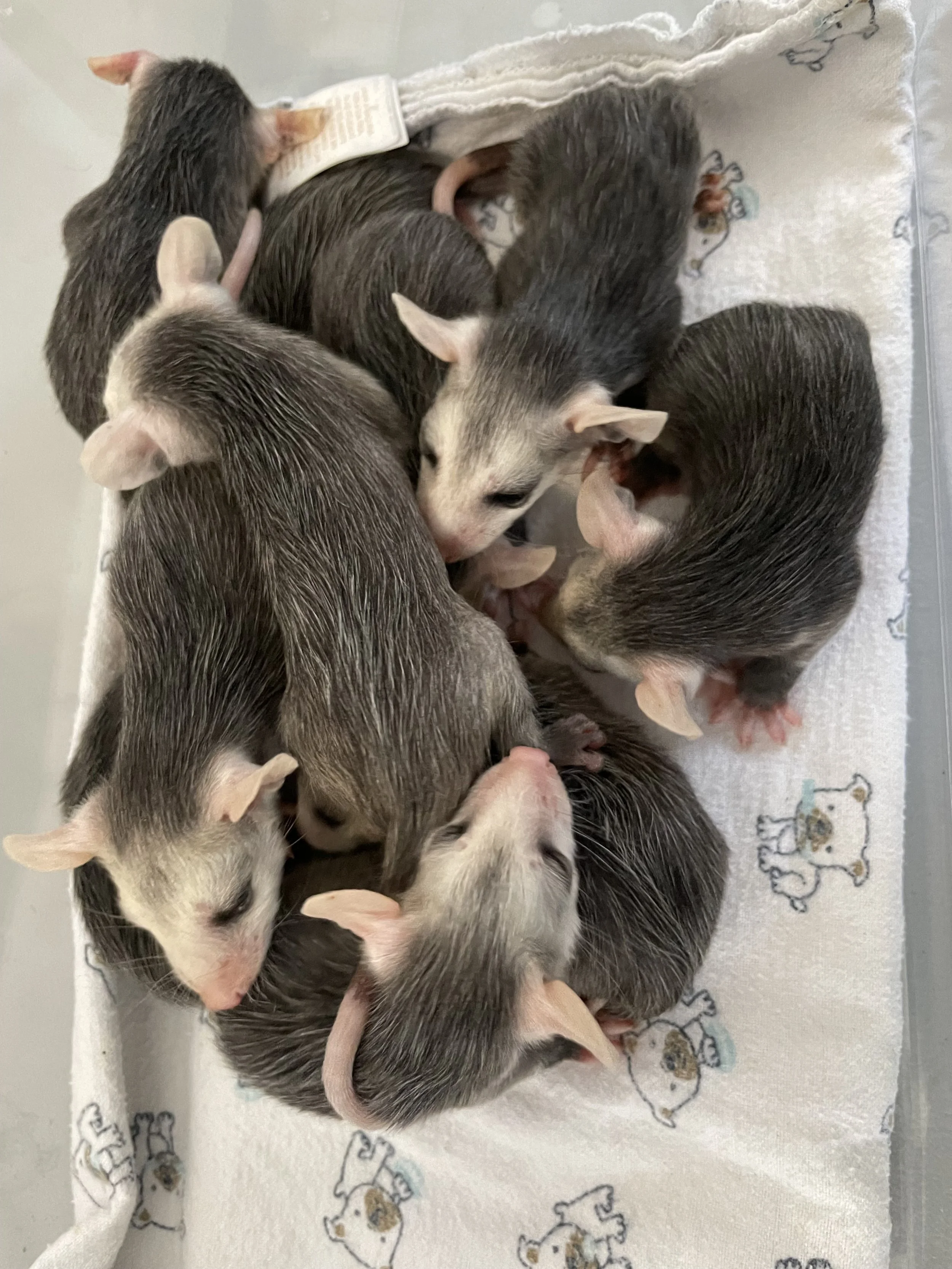
Place the joeys in a box lined with a soft cloth and keep them warm.
What NOT to Do With Baby Opossums
Avoid these common and dangerous mistakes:
Do not leave babies attached to a dead mother.
Do not give food, water, cow’s milk, formula, or liquids — this can cause pneumonia or death.
Do not leave joeys outside hoping the mother will return.
Do not keep opossums as pets — it’s illegal without permits and harmful to the animal.
Do not expose them to pets, loud noises, or direct sunlight.
Do not place joeys directly on a heating pad — overheating can occur.
How to Keep Baby Opossums Safe Until Help Arrives
Until you can transfer the joeys to a licensed rehabilitator:
Place them in a ventilated box with a soft cloth (no loose threads).
Keep them warm using a heating pad on LOW under half the box only.
Keep them in a quiet, dark location.
Keep children and pets away.
Handle them as little as possible to reduce stress.
Why Opossums Matter
Opossums are North America’s only marsupial and play a vital role in the ecosystem:
They eat thousands of ticks each season, helping reduce Lyme disease risk.
They help control pests such as roaches, mice, and snakes.
They clean up carrion, improving environmental health.
Helping baby opossums protects both wildlife and the environment.
Next Steps: Contact a Licensed Wildlife Rehabilitator
Baby opossums require specialized, species-specific care. Always contact a licensed wildlife rehabilitator as soon as possible.
Keep the joeys warm, quiet, and contained until help arrives. Prompt, proper action gives them the best chance of surviving and returning to the wild.