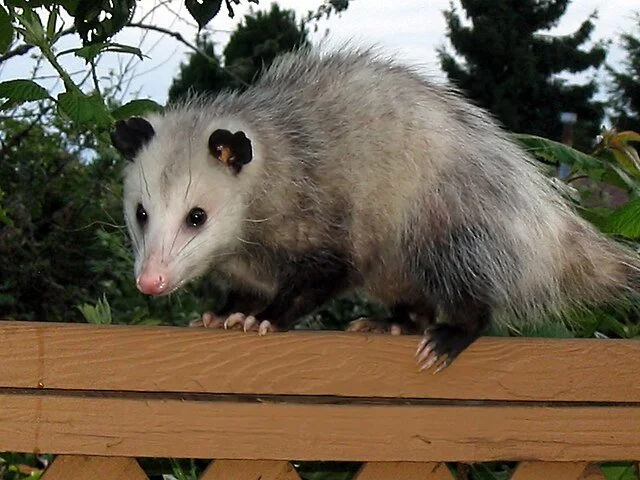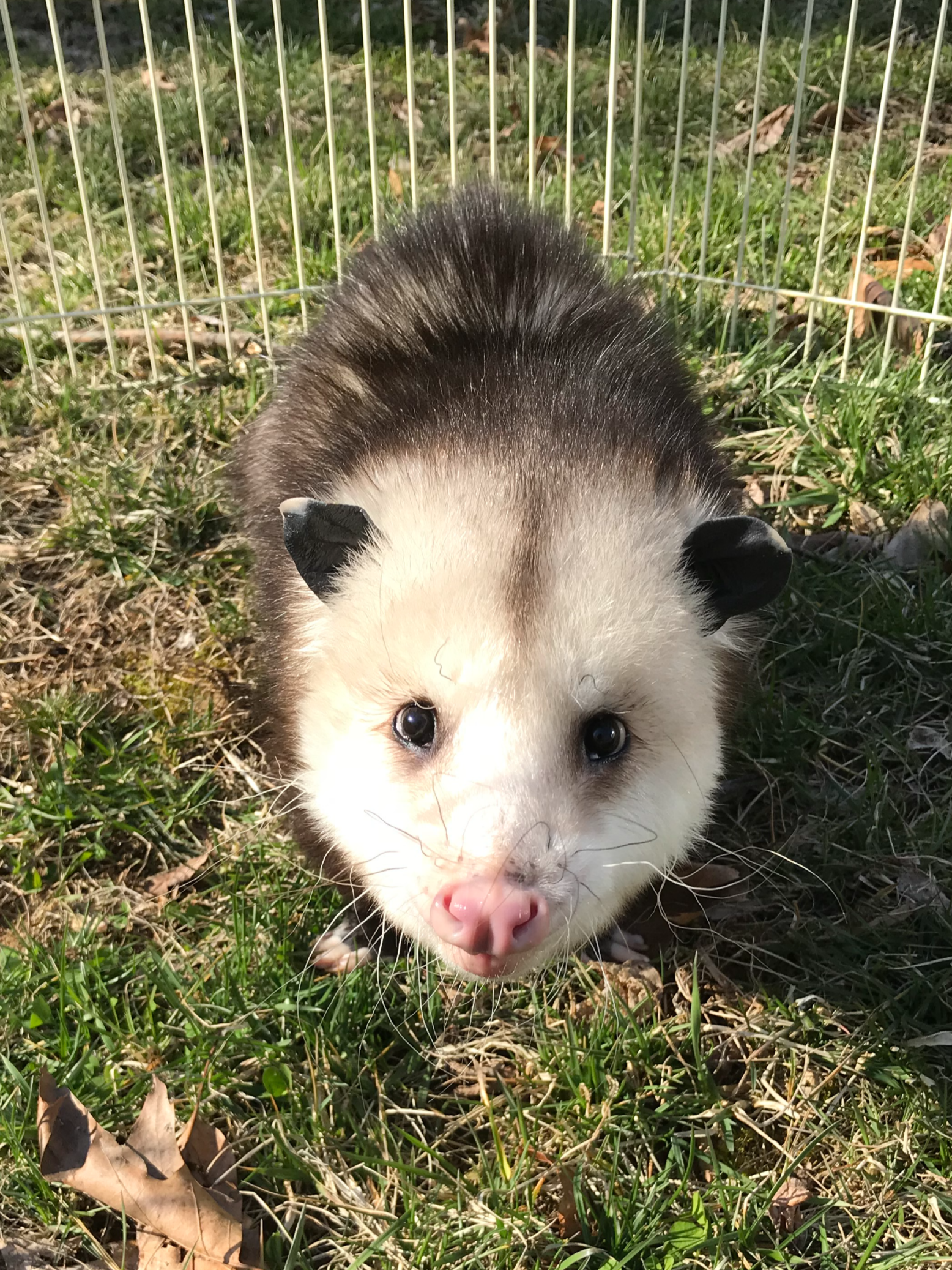
What to Do if You Find an Adult Opossum
Encountering an adult opossum that appears injured, sick, or behaving unusually can be concerning. Knowing when to step back — and when to seek help — is critical for the opossum’s welfare and your safety.
When Adult Opossums Need Help
An adult opossum likely needs immediate professional assistance if:
The opossum has visible injuries (bleeding, limping, broken limbs).
The opossum is lying out in the open and does not move away when approached.
The opossum is dragging a leg, unable to stand, or moving abnormally
The opossum has been hit by a car or attacked by a dog or other animal.
The opossum is covered in flies or fly eggs.
Healthy adult opossums are typically nocturnal and will move away when given space. An opossum that cannot retreat is almost always in distress.
What NOT to Do if You Find an Adult Opossum
Do not attempt to touch, capture, or restrain the opossum unless you are specifically instructed to do so by a licensed wildlife rehabilitator.
Do not try to feed or give water.
Do not attempt to relocate the opossum.
Do not allow pets or people to approach the animal.
Although opossums rarely carry rabies, they can bite or scratch when frightened or injured.
What You Should Do Instead
Keep a safe distance and observe from afar.
Keep pets and children away from the area.
Note the opossum’s location, behavior, and visible condition.
Contact a licensed wildlife rehabilitator immediately.
If the opossum is in immediate danger (roadway, active construction area), contact local authorities for assistance rather than attempting to intervene yourself.
Health and Safety Considerations
Opossums are not considered a rabies vector species, but they can still carry diseases and parasites that pose risks to humans and pets, including:
Leptospirosis
Tularemia
Fleas, ticks, and mites
Secondary infections from bites or scratches
Avoiding direct contact protects both you and the animal.
Why Professional Help Matters
Adult opossums require specialized care and handling. Well-intentioned attempts to help can increase stress, worsen injuries, or delay appropriate treatment. Licensed wildlife professionals are trained to assess whether rehabilitation is possible and to act humanely when it is not.
Give Adult Opossums the Best Chance to Survive
The most humane and responsible way to help an injured or sick adult opossum is to contact trained wildlife professionals immediately. Prompt intervention gives the opossum the best possible outcome — whether that means recovery and release or relief from suffering.