What to Do if You Find a Baby Skunk
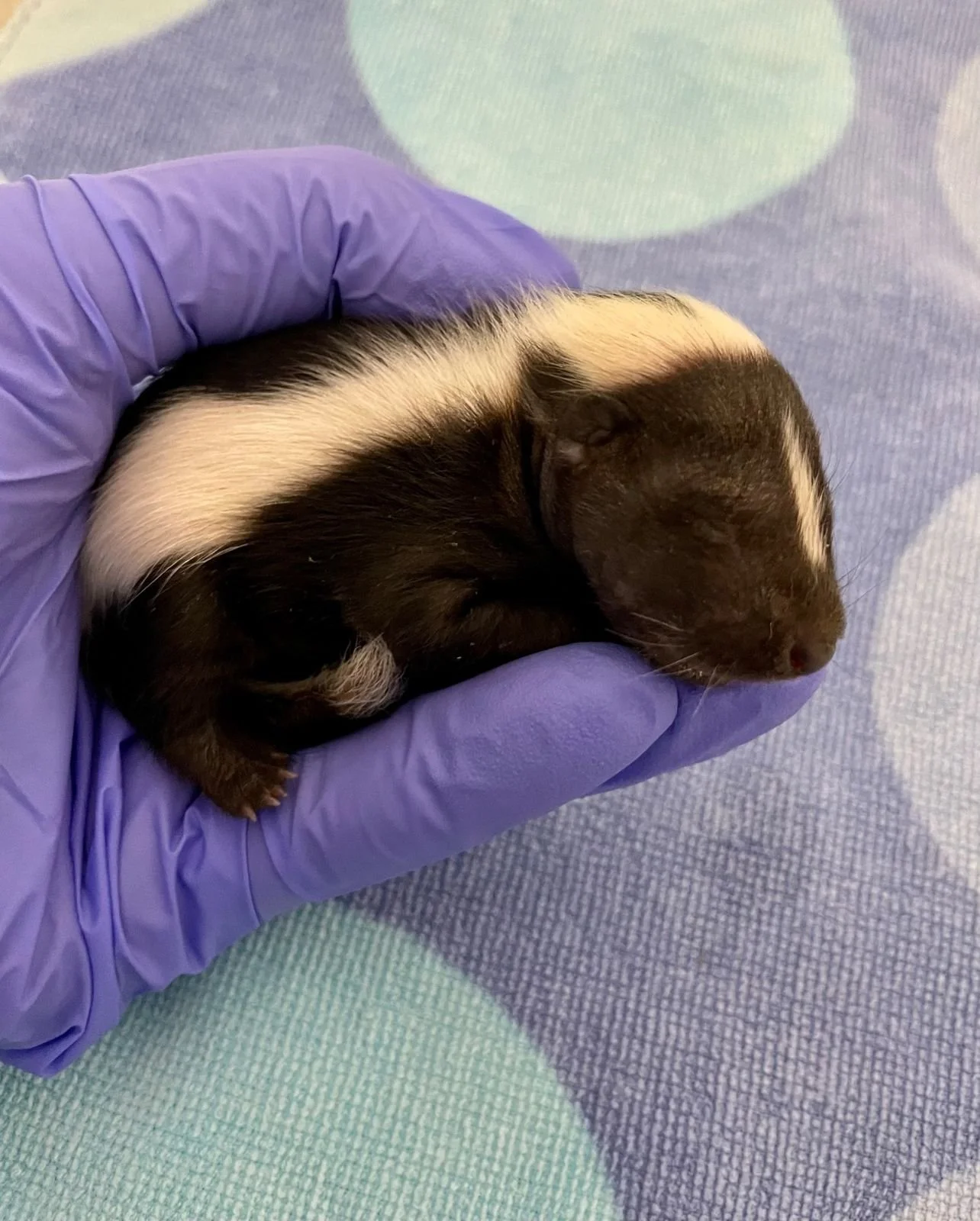
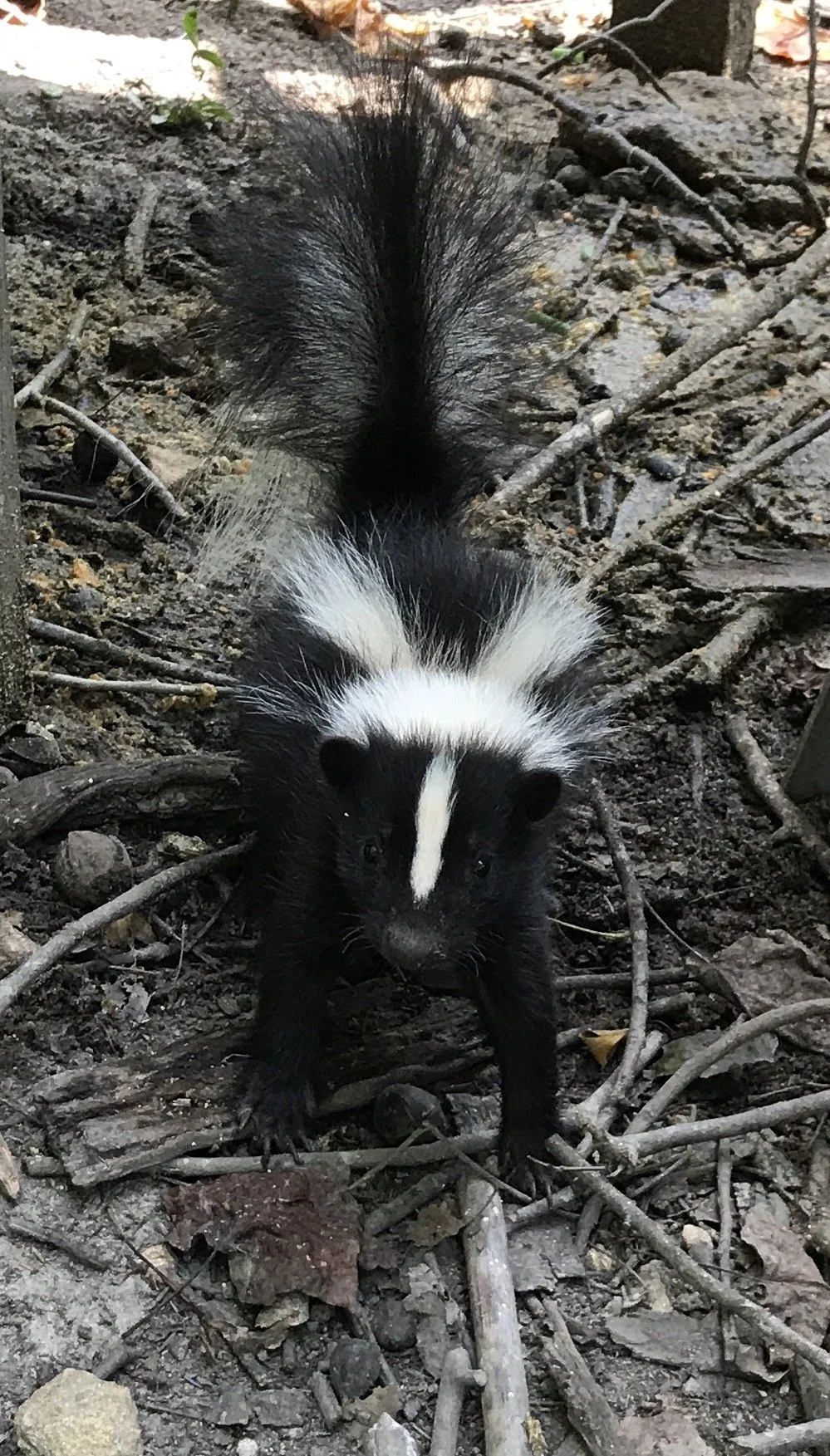
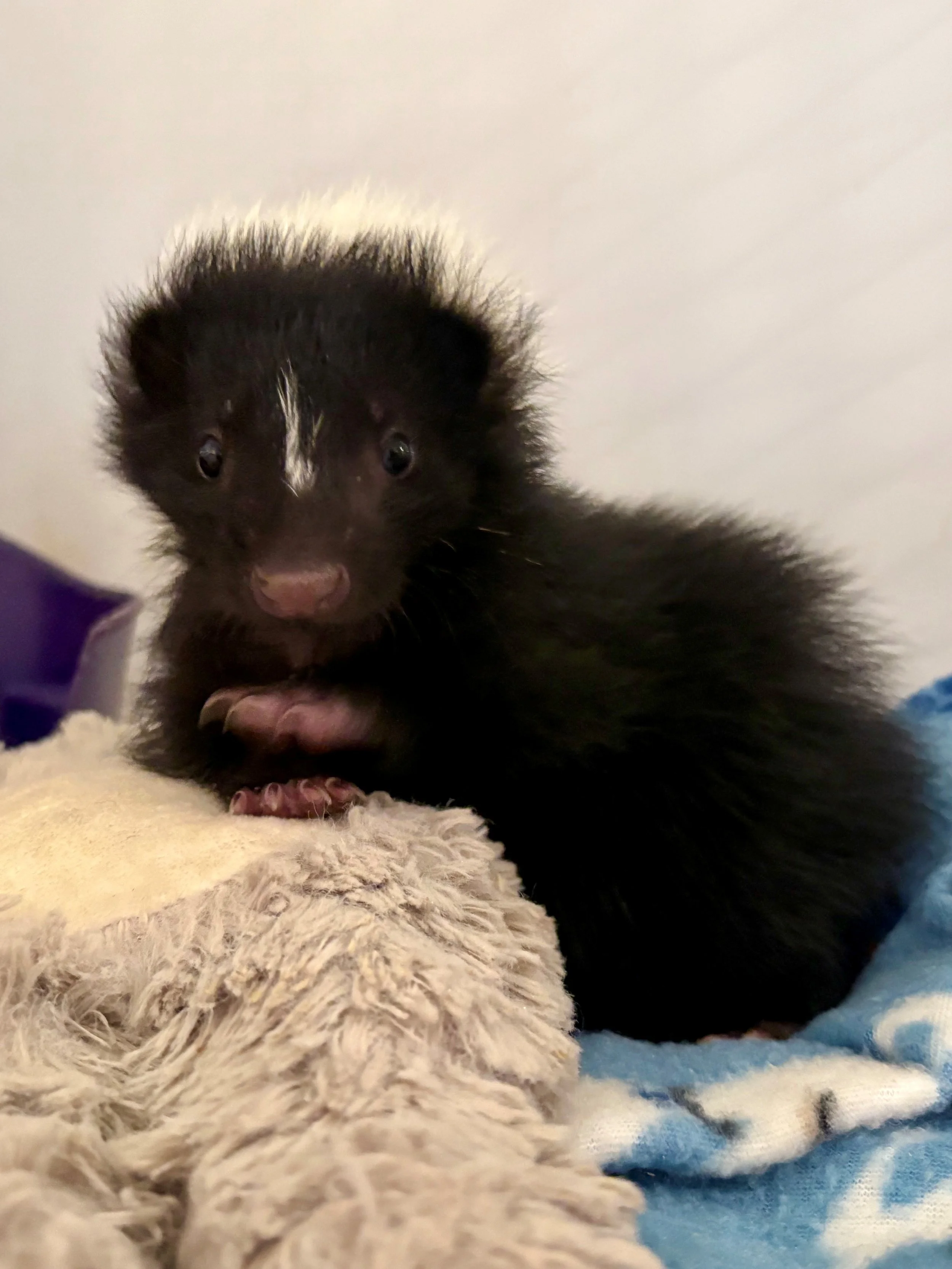
Finding baby skunks — also called kits — can be surprising and concerning. While mother skunks care attentively for their young, baby skunks do need professional help if they appear alone or distressed. Knowing when to intervene and how to respond safely protects both you and the animals.
When a Baby Skunk Needs Help
Baby skunks require immediate assistance if:
The babies are wandering alone with no mother nearby.
The mother is confirmed dead.
The babies appear injured, cold, weak, or lethargic.
The babies are covered in flies or fly eggs.
These signs indicate the kits cannot survive without expert care.
What NOT to Do if You Find a Baby Skunk
Do not attempt to raise baby skunks — it’s illegal in many areas.
Do not feed skunks or give them water.
Do not handle excessively or attempt to move them long distances.
Improper handling increases stress and raises the risk of spraying or injury.
What to Do Right Away
If you find baby skunks in distress:
Place them in a ventilated box or container.
Line the box with a soft cloth.
Keep them quiet, warm, and away from pets and people.
Avoid startling them, as frightened skunks may spray.
Contact a licensed wildlife rehabilitator as quickly as possible.
Young skunks decline rapidly without proper care.
Give Baby Skunks the Best Chance to Survive
Baby skunks require specialized, species-specific care to grow safely and return to the wild. The most humane and effective response is to limit handling and involve a licensed wildlife rehabilitator immediately.
Prompt, correct action protects you — and gives baby skunks their best chance at survival.