
What to Do if You Find an Adult Rabbit
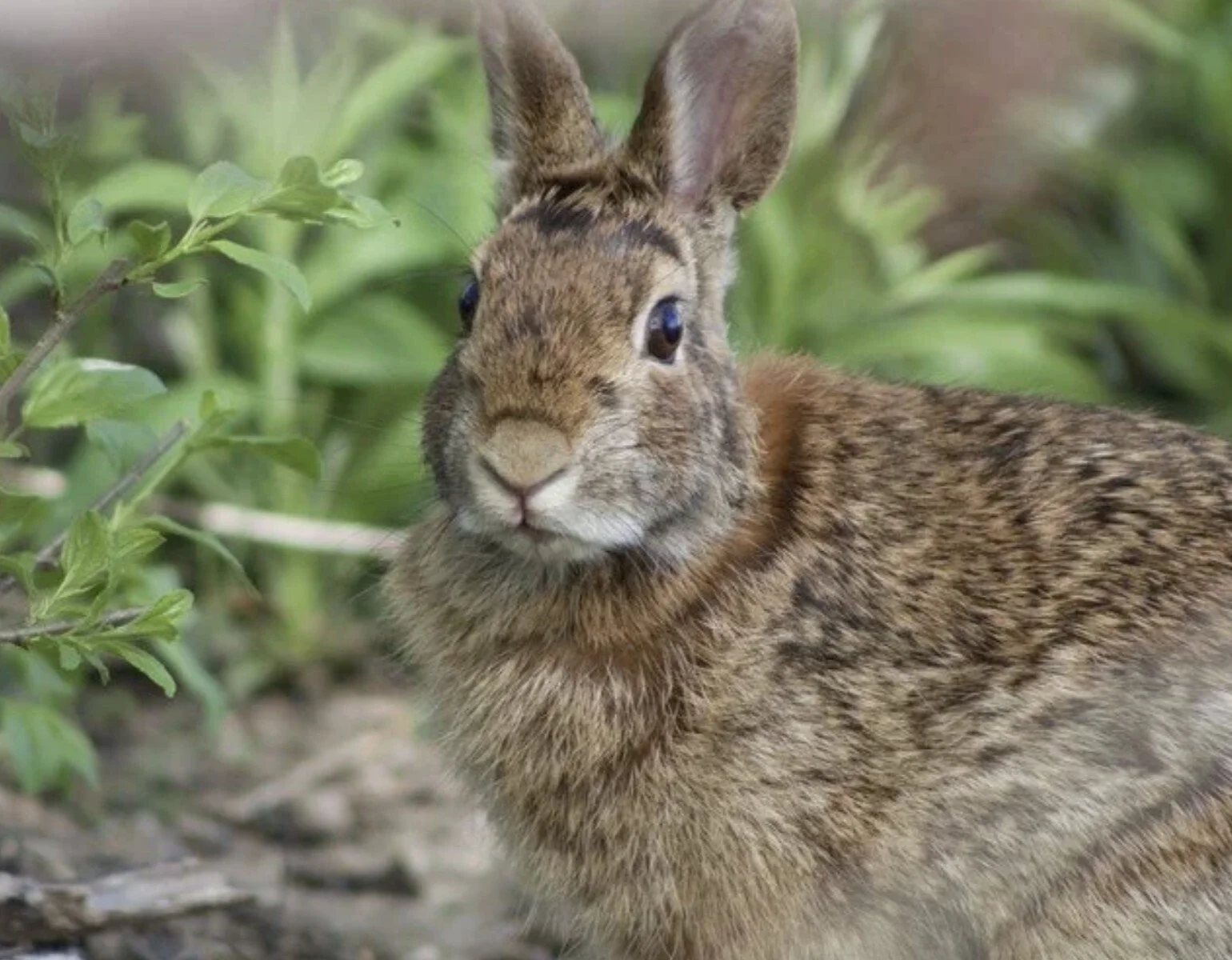
Adult cottontail rabbits are commonly seen in yards, neighborhoods, parks, and other grassy areas. In most cases, they are healthy and should be left alone. However, if you find an injured wild rabbit, knowing when to step in—and when not to—can help prevent additional stress or injury.
Rabbits may remain completely still when they sense danger rather than immediately running away. This is a normal defense against predators and does not, by itself, mean that the rabbit is injured.
Does This Adult Rabbit Need Help?
The Rabbit May Need Help If...
It is bleeding or has a significant visible wound.
It has an obvious broken limb or other serious injury.
It cannot stand, hop, or move normally.
It is dragging a leg or other part of its body.
It is lying on its side and appears unable to get up.
It is severely weak or unresponsive.
It is covered with flies, fly eggs, or maggots.
It is circling, falling over, has a pronounced head tilt, or shows other significant neurological abnormalities.
It was struck by a vehicle or lawn equipment.
It was caught, carried, or bitten by a cat, or was found in a cat's mouth, even if you cannot see an injury.
It was injured by a dog or another animal.
If any of these apply, keep people and pets away and contact a licensed wildlife rehabilitator as soon as possible. Do not chase or attempt to capture the rabbit unless you have been instructed to do so.
The Rabbit May Not Need Rescue If...
It is sitting completely still but otherwise appears healthy.
It is alert and watching its surroundings.
It is able to hop or run normally when it chooses to move.
It is eating or foraging normally.
It is resting beneath vegetation or other cover.
It is seen in a yard, garden, park, or other developed area without signs of injury or illness.
It remains motionless when you approach but has no visible injury.
A rabbit that freezes when it sees you is not necessarily injured. Remaining motionless is a normal predator-avoidance behavior. Do not approach or chase a healthy rabbit simply to make sure it can run.
What NOT to Do if You Find an Adult Rabbit
Do not assume a rabbit needs help simply because it is sitting still.
Do not chase the rabbit to determine whether it can run.
Do not attempt to capture or restrain it unless instructed by a licensed wildlife rehabilitator.
Do not give the rabbit food or water.
Do not attempt to medicate, splint, bandage, or treat an injury yourself.
Do not allow children or pets to approach.
Do not attempt to keep or rehabilitate the rabbit yourself.
Rabbits are extremely sensitive to stress. Chasing, capturing, and excessive handling can cause serious physiological stress and may contribute to capture myopathy, which can be fatal.
Do not attempt to capture or handle an injured rabbit until you have contacted a licensed wildlife rehabilitator for guidance, unless the rabbit is in immediate danger and cannot safely remain where it is.
Steps to Take
What you should do depends on whether the rabbit appears healthy, injured, has had contact with a pet, or is in immediate danger.
If the Rabbit Appears Healthy
If the rabbit is alert, able to move normally, and has no obvious injuries:
Leave the rabbit where it is.
Observe from a distance rather than approaching it.
Keep children and pets away.
Give the rabbit a clear path to move away on its own.
Do not chase it to see whether it can run.
Do not attempt to catch, move, feed, or handle it.
A healthy adult rabbit generally does not need human intervention. Remaining still when a person or predator is nearby is normal behavior.
If You Find an Injured Wild Rabbit
If the rabbit is bleeding, unable to stand or hop normally, severely weak, visibly injured, or showing other concerning symptoms:
Keep people and pets away.
Observe from a safe distance.
Note the rabbit's location and any visible injuries or unusual behavior.
Do not chase or attempt to capture it.
Do not give it food, water, or medication.
Contact a licensed wildlife rehabilitator as soon as possible.
Follow the rehabilitator's instructions about whether the rabbit should be contained or transported. Because rabbits are highly susceptible to stress, unnecessary pursuit and handling should be avoided.
If a Cat or Dog Caught the Rabbit
A rabbit that has been caught, carried, bitten, or held in a cat's mouth should be evaluated by a licensed wildlife rehabilitator, even if you cannot see a wound. Small punctures may be difficult to see and can lead to serious infection.
If a dog caught or injured the rabbit, contact a licensed wildlife rehabilitator for guidance as well.
Separate the pet from the rabbit.
Do not repeatedly handle or examine the rabbit looking for wounds.
Keep the area quiet.
Contact a licensed wildlife rehabilitator promptly and explain exactly what happened.
If the Rabbit Is in Immediate Danger
If an injured rabbit is in a roadway, exposed to active traffic, being threatened by pets, or in another location where remaining in place presents an immediate danger, contact a licensed wildlife rehabilitator for guidance as quickly as possible.
If you are instructed to move or contain the rabbit, follow the rehabilitator's directions carefully and minimize handling and stress.
What to Do While You Wait for Help
If a licensed wildlife rehabilitator has instructed you to contain the adult rabbit, minimizing stress is extremely important.
Keep the rabbit in a secure, well-ventilated box or carrier.
Keep the container in a quiet, dark, and warm location away from people and pets.
Handle the rabbit as little as possible.
Do not repeatedly open the container to check on the rabbit.
Do not pet, hold, or attempt to comfort the rabbit.
Do not give food or water unless specifically instructed by a licensed wildlife rehabilitator.
Do not give medications or attempt to treat, clean, bandage, or splint an injury.
Keep children and pets away from the container.
Follow the rehabilitator's instructions for transportation and next steps.
Rabbits can experience severe stress from capture and handling. Once the rabbit is safely contained, keeping the environment quiet and minimizing interaction is one of the most important things you can do while waiting for help.
Do Not Keep or Attempt to Rehabilitate an Adult Rabbit
Adult rabbits have specialized medical, nutritional, housing, and behavioral needs. Even with good intentions, attempting to care for an injured or sick wild rabbit without appropriate training can cause additional stress, worsen injuries, or delay necessary treatment.
Do not keep an adult rabbit as a pet.
Do not attempt to treat or rehabilitate the rabbit yourself.
Do not feed, give water, or administer medication unless instructed by a licensed wildlife rehabilitator.
Do not repeatedly handle or interact with a contained rabbit.
Do not release an injured rabbit simply because it becomes active or begins trying to escape.
Licensed wildlife rehabilitators are trained to evaluate injuries and illness, provide appropriate treatment and supportive care, and determine when a rabbit is ready to return to the wild.
If you have already been caring for the rabbit, tell the licensed wildlife rehabilitator how long you have had it and anything you have given it, including food, water, medications, or other treatment.
About Adult Rabbits
Adult cottontail rabbits are common throughout Virginia and often live close to people in yards, gardens, parks, fields, and other areas with vegetation and cover. Understanding their normal behavior can help you determine when a rabbit needs help and when it should simply be left alone.
What Is Normal Behavior for an Adult Rabbit?
Healthy adult rabbits are alert and cautious. They may spend time feeding in open grassy areas but usually remain close to vegetation or other cover where they can quickly hide.
A healthy rabbit may:
Sit quietly for long periods.
Remain very still when people or pets are nearby.
Suddenly run when approached too closely.
Feed on grasses and other vegetation.
Rest beneath shrubs, tall grass, or other cover.
These behaviors generally do not indicate that the rabbit needs rescue.
Why Do Rabbits Freeze Instead of Running Away?
Freezing is a normal defense against predators. A rabbit may remain completely motionless when it senses danger, relying on its coloring and stillness to avoid being noticed.
Do not approach, touch, or chase a rabbit simply because it is sitting still. Give it plenty of space and allow it to move away when it feels safe.
Why Is a Rabbit in My Yard?
Yards can provide rabbits with food, shelter, and places to hide. Grass, gardens, shrubs, and other vegetation can make residential areas attractive habitat.
If a healthy rabbit is visiting your yard:
Give it space.
Keep dogs and cats away.
Do not intentionally feed it.
Allow it to leave on its own.
A healthy adult rabbit in a yard usually does not need to be rescued or relocated.
What Do Adult Rabbits Eat?
Wild cottontail rabbits are herbivores and naturally eat a variety of grasses, leaves, stems, and other plant material available in their habitat.
Even though rabbits naturally eat vegetation, do not offer food or water to an injured or sick rabbit unless instructed by a licensed wildlife rehabilitator. Providing inappropriate food or attempting to feed a stressed animal can complicate its care.
Why Giving Adult Rabbits Space Matters
Rabbits rely on staying still, hiding, and fleeing from danger to survive. Approaching, chasing, catching, or repeatedly handling a rabbit can cause significant stress and may increase the risk of injury.
If an adult rabbit appears healthy and can move normally, the best way to help is usually simple: keep people and pets away and give the rabbit space to remain wild.
Frequently Asked Questions About Adult Rabbits
-
An adult rabbit may need help if it is visibly injured, bleeding, unable to stand or hop normally, severely weak, showing neurological abnormalities, covered with flies or maggots, or has been struck by a vehicle or attacked by another animal. If the rabbit is alert, mobile, and has no obvious injuries, it usually does not need rescue.
-
Keep people and pets away and contact a licensed wildlife rehabilitator as soon as possible. Do not chase, capture, feed, give water, or attempt to treat the rabbit unless a rehabilitator instructs you to do so. If the rabbit is in immediate danger, such as in a roadway or near an active threat, contact a rehabilitator for guidance on safely moving or containing it.
-
Freezing is a normal defense behavior. Rabbits may remain completely motionless when they sense danger rather than immediately running. Give the rabbit space and do not chase it to see whether it can run.
-
If the rabbit appears healthy, leave it alone and keep children and pets away. Yards can provide natural food and shelter, and a healthy rabbit visiting your property generally does not need to be rescued or relocated.
-
Separate your pet from the rabbit and contact a licensed wildlife rehabilitator for guidance. A rabbit caught or carried by a cat should be evaluated even if you cannot see an injury, because small puncture wounds may be difficult to detect. Contact a rehabilitator for guidance after a dog attack as well.
-
Contact a licensed wildlife rehabilitator if the rabbit is injured, severely weak, unable to stand or move normally, showing significant abnormal behavior, has been struck by a vehicle, or has been caught or injured by a pet. Do not chase or capture the rabbit unless instructed to do so.
Get Help for an Adult Rabbit
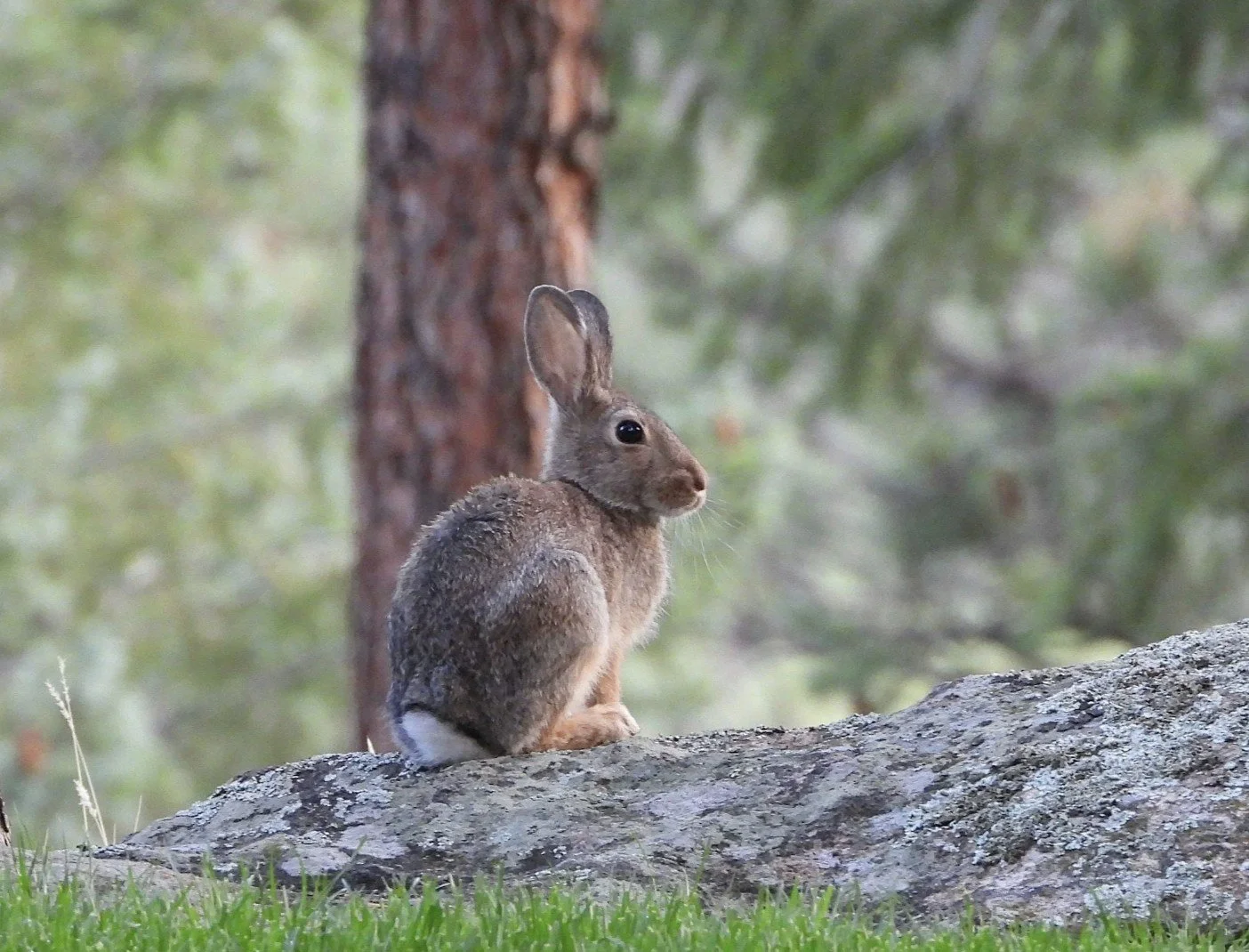
If you find an adult rabbit that appears injured, sick, severely weak, unable to move normally, or has been caught or injured by a pet, keep people and pets away and contact Roanoke Wildlife Rescue for guidance.
Do not chase, capture, feed, treat, or transport the rabbit unless instructed to do so by a licensed wildlife rehabilitator. Rabbits are highly sensitive to stress, so minimizing handling is especially important.