
What to Do if You Find a Baby Fox
Finding a baby fox, also called a fox kit, alone can be concerning, but seeing a young fox without its parents does not necessarily mean it has been abandoned. As kits grow, they begin exploring outside the den while their parents are nearby or away searching for food. Knowing what is normal—and when a baby fox truly needs help—can prevent unnecessary intervention.
Is It Normal to Find a Baby Fox Alone?
Yes. Seeing a baby fox alone can be completely normal. As fox kits grow, they begin venturing outside their den to play, explore, and learn about their surroundings. Their parents may be nearby but out of sight or away searching for food.
A healthy kit may spend time outside the den without an adult immediately visible. Older kits also become increasingly independent as they develop, so seeing one alone is not, by itself, a reason to intervene.
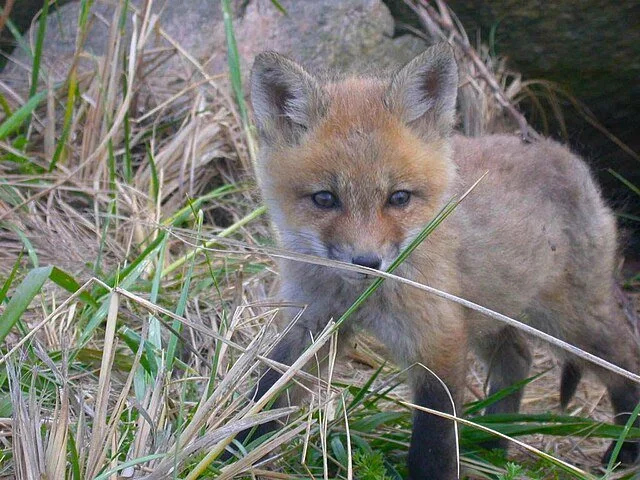
If the kit appears alert, active, healthy, and comfortable in its surroundings, observe from a distance and give the fox family plenty of space.
Avoid approaching the den or staying nearby to watch. Adult foxes may wait for people and pets to leave before returning to their young.
Does This Baby Fox Need Help?
The Baby Fox Is Probably Okay If...
A baby fox does not necessarily need help simply because it is alone. Observe from a distance if the kit:
Is alert and responsive
Appears active and able to move normally
Has no visible injuries
Is exploring, playing, or resting near a den
Appears healthy and well-fed
Is not continuously crying or following people
Keep people and pets away and give the area plenty of space. The parents may be nearby but out of sight and may wait for you to leave before approaching their young.
The Baby Fox Needs Help If...
Contact a licensed wildlife rehabilitator for guidance if the kit:
Has visible wounds, bleeding, or an obvious injury
Is weak, lethargic, cold, or unresponsive
Is covered with flies, fly eggs, or maggots
Has been caught, carried, bitten, or injured by a cat, dog, or other animal, even if no wound is immediately visible
Is wandering and crying continuously with no parent returning
Is repeatedly approaching or following people
Is known to be orphaned because both parents are dead
Is stranded after its den has been destroyed and the parents have not returned
If a cat or dog had direct contact with the fox, contact a licensed wildlife rehabilitator even if you cannot see an injury. Keep the pet separated from the fox and contact your veterinarian for guidance about the potential wildlife exposure.
Do not capture or move the kit unless a wildlife rehabilitator instructs you to do so or the animal is in immediate danger.
What NOT to Do if You Find a Baby Fox
Most baby foxes seen alone do not need to be rescued. To protect the kit and give its parents the opportunity to continue caring for it, never:
Feed a baby fox or give it water.
Pick up or handle a healthy fox kit.
Move a healthy kit simply because you do not see its parents.
Take a baby fox home or attempt to raise it yourself.
Approach, uncover, or disturb an active fox den.
Allow children or pets to approach or interact with the kits.
Stay close to the den waiting for the parents to return.
If the kit appears healthy, give it space and observe only from a distance. Unnecessary intervention can separate a healthy baby fox from its family.
Steps to Take
If the Kit Appears Healthy
If the baby fox appears healthy, alert, and active, leave it where it is and give it plenty of space. Keep children and pets away and avoid spending time near the kit or its den.
Observe only from a distance. The parents may be nearby but out of sight or away searching for food and may wait for people to leave before returning.
If the Fox Den Has Been Disturbed
If a fox den has been accidentally uncovered or disturbed, move away from the area and give the parents an opportunity to return. Keep people, pets, and activity away from the den as much as possible.
Fox parents may move their kits to another den when they feel the current location is no longer safe. Do not block the den entrance, remove healthy kits, or attempt to relocate the family yourself.
If the kits are in immediate danger or the den cannot safely remain where it is, contact a licensed wildlife rehabilitator for guidance before taking further action.
If the Kit Is Injured or Truly Orphaned
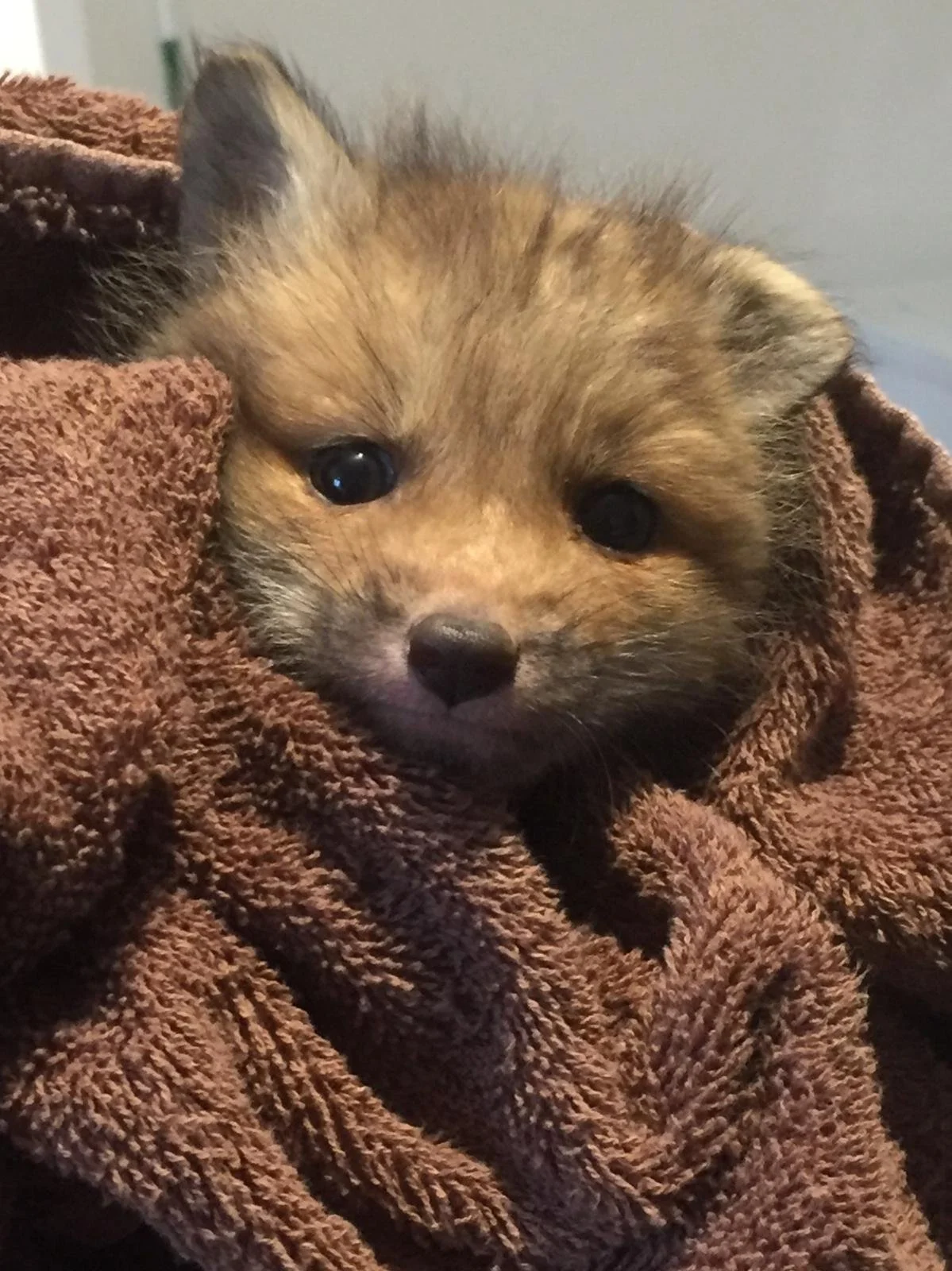
If the kit is injured, weak, unresponsive, or you have confirmed that its parents are dead, contact a licensed wildlife rehabilitator as soon as possible.
Do not feed the kit, give it water, or attempt to care for it yourself. Keep people and pets away and follow the rehabilitator's instructions about whether the animal should be contained or transported.
If a Baby Fox Is in Your Yard
A healthy fox kit in your yard does not necessarily need to be removed. Keep pets indoors or supervised, give the fox plenty of space, and avoid leaving pet food or other food outdoors.
If a den is nearby, the family will typically move on as the kits grow and become more independent.
Can a Baby Fox Be Reunited With Its Parents?
In some situations, a healthy fox kit that has become separated from its family may be able to reunite with its parents. Fox parents provide extensive care for their young and may return for a kit or move it to another den.
If you find a healthy kit away from its den, do not immediately take it home or relocate it. Keep people and pets away, observe from a distance, and contact a licensed wildlife rehabilitator for guidance if you are unsure whether the kit has been separated from its family.
What if You Already Picked Up the Kit?
If you have already picked up or moved a healthy baby fox, contact a licensed wildlife rehabilitator for guidance about whether reunion with its parents may still be possible.
Do not release the kit in a different location or attempt to return it to a den without guidance. The appropriate next step depends on the kit's age and condition, where it was found, and whether its family or den can be located.
What if the Parents Don't Return?
If the parents do not return, the kit appears weak or distressed, or you have reason to believe the parents are dead, contact a licensed wildlife rehabilitator. A rehabilitator can help determine whether the kit needs professional care.
Do Not Keep or Attempt to Raise a Baby Fox
If a baby fox needs help, contact a licensed wildlife rehabilitator as soon as possible. Do not keep the fox as a pet or attempt to raise it yourself.
Baby foxes have specialized nutritional, medical, housing, and developmental needs. Improper feeding or care can cause serious harm. Young foxes also need opportunities to develop the natural behaviors, caution around people, and survival skills they will need to return successfully to the wild.
Too much interaction with people can cause a young fox to become accustomed to humans. This can make successful release more difficult and may create risks for both the fox and the public.
Virginia wildlife rehabilitation guidelines classify foxes as a species with a high risk of carrying and transmitting rabies. Keeping or attempting to care for a fox yourself can put both you and the animal at risk. Unnecessary handling may increase the possibility of human or pet exposure, and delays in seeking professional help can complicate how a potential rabies exposure must be handled. In some circumstances, public-health officials may determine that rabies testing is necessary, which requires the animal to be euthanized because rabies testing cannot be performed on a live animal.
If you have already been caring for a baby fox, contact Roanoke Wildlife Rescue as soon as possible. Tell us how long you have had the fox, what it has been fed or given to drink, and whether any person or pet may have had direct contact with it.
About Baby Foxes
Baby foxes, called kits, are born in dens and depend on their parents for food, protection, and care during their first weeks of life. As they grow, kits begin spending more time outside the den, exploring their surroundings and learning the skills they will need to survive on their own.
How Fox Parents Care for Their Kits
Fox kits are raised in a family group. While the kits are very young, they remain in or close to the den while their parents provide food and protection. As the kits grow, they become increasingly active outside the den but continue to depend on their parents.
Adult foxes may be away searching for food while the kits remain near the den. This is why seeing a baby fox without an adult nearby does not necessarily mean it has been abandoned.
When Do Baby Foxes Leave the Den?
As fox kits grow stronger and more curious, they begin venturing outside the den to play, explore, and interact with their siblings. Over time, they travel farther from the den and gradually learn to find food and navigate their surroundings.
During this stage, it is normal to see young foxes above ground without an adult immediately visible. The family may also move between den sites as the kits develop.
Is It Normal to See a Baby Fox During the Day?
Yes. Fox kits and adult foxes may be active during the day. Young foxes may play and explore near their den during daylight hours, and adults may search for food during the day while raising their young.
Daytime activity alone is not a reason to assume a fox has rabies or needs to be rescued. Instead, look at the animal's overall condition and behavior. A fox that is injured, severely disoriented, unable to move normally, or behaving unusually should be reported to a licensed wildlife rehabilitator for guidance.
Frequently Asked Questions About Baby Foxes
-
Yes. A baby fox may spend time outside its den without an adult immediately visible. As kits grow, they begin playing and exploring around the den while their parents may be nearby or away searching for food. If the kit appears healthy, alert, and active, give it space and observe only from a distance.
-
Seeing a baby fox alone does not mean it is orphaned. A kit may need help if it is weak, injured, continuously crying or wandering, repeatedly approaching people, or if you know its parents are dead. If you are unsure, contact a licensed wildlife rehabilitator before moving or capturing the kit.
-
Give the fox family plenty of space and keep children and pets away from the den. Do not block the entrance, disturb the den, or attempt to move the kits. Fox families generally use den sites temporarily while raising their young, and the kits become increasingly mobile as they grow.
-
Yes. Seeing a fox kit during the day is not, by itself, a sign that something is wrong. Kits may play and explore during daylight hours, and adult foxes may also be active during the day while raising young. Look at the fox's overall condition and behavior rather than the time of day alone.
-
No. Do not offer a baby fox food or water unless a licensed wildlife rehabilitator specifically instructs you to do so. Feeding or giving fluids incorrectly can harm the kit and may interfere with its normal care by its parents.
-
If you have already picked up or moved a healthy fox kit, contact a licensed wildlife rehabilitator for guidance. Reunion with its family may still be possible. Do not release the kit somewhere else or attempt to return it to a den without professional guidance.
Get Help for a Baby Fox
If you find a baby fox that is injured, weak, truly orphaned, or otherwise appears to need help, contact Roanoke Wildlife Rescue for guidance. We can help you determine whether the kit needs professional care and what to do next.