
What to Do if You Find an Adult Squirrel
Seeing an adult squirrel on the ground or resting on a branch is usually normal. Observe from a safe distance and use the signs below to determine whether it needs help.
Does This Adult Squirrel Need Help?
Most adult squirrels you see outdoors are healthy wild animals going about their normal activities. Before attempting to intervene, observe the squirrel from a safe distance and look at its overall condition and behavior.
The Squirrel May Need Help If...
It has a visible serious injury, open wound, or uncontrolled bleeding.
It cannot stand, walk, climb, or move normally.
It is dragging a leg or appears to have a broken limb.
It is lying on its side, severely weak, or largely unresponsive.
It has difficulty breathing or appears to be in significant distress.
It is repeatedly circling, has a severe head tilt, is having seizures, or shows significant loss of coordination.
It has been caught or injured by a cat or dog.
It is entangled in fishing line, netting, or another object.
It has flies, fly eggs, or maggots on its body.
It has a large swelling, wound, or lump that appears infected or is interfering with its ability to see, eat, or move normally.
The Squirrel May Not Need Rescue If...
It is alert and moving normally.
It runs or climbs away when approached.
It is foraging, climbing, resting, or traveling normally.
It is stretched out or lying flat on a branch but becomes alert when disturbed.
It has a lump or swelling but otherwise appears bright, active, and able to move normally.
Does the Squirrel Have a Lump? Understanding Warbles
A large lump on a squirrel can look alarming, but during warmer months, one possible cause is a warble. A warble develops when an immature botfly, called a larva (Cuterebra), grows beneath the animal’s skin.
Warbles often appear as a round or raised swelling with a small opening in the skin. A squirrel may have one or several, and the size and appearance can make them look like an abscess, tumor, or serious wound.
Does a Squirrel With a Warble Need Help?
A squirrel with a warble does not necessarily need to be rescued. If the squirrel is alert, active, eating, climbing, and moving normally, observe it from a distance rather than attempting to capture it.
Contact a licensed wildlife rehabilitator for guidance if:
The squirrel is weak, lethargic, or unable to move normally.
The swelling is near an eye, mouth, or another area where it appears to interfere with normal function.
The area is significantly swollen, bleeding, draining, or appears infected.
The squirrel has another injury or signs of illness in addition to the lump.
You are unsure whether what you are seeing is actually a warble.
If possible, take a clear photo or short video from a safe distance and send it to Roanoke Wildlife Rescue. This can help us determine whether the lump appears consistent with a warble and whether the squirrel may need assistance.
Why Aren't Warbles Always Removed?
Although warbles can look alarming, finding one on an otherwise healthy squirrel does not necessarily mean the squirrel needs to be captured or treated. The botfly larva develops beneath the skin and, after completing this stage of its life cycle, eventually leaves the animal through the opening in the skin.
Capturing a healthy wild squirrel solely to remove a warble can cause unnecessary stress and may not be in the animal's best interest. Instead, the squirrel's overall condition and the location of the warble are important when deciding whether intervention is needed.
Never squeeze, puncture, or attempt to remove a warble yourself. Improper removal can break open the larva beneath the skin, causing inflammation and infection.
What NOT to Do if You Find an Adult Squirrel
If an adult squirrel appears injured, sick, or unable to move normally, your first instinct may be to pick it up or try to care for it. Adult squirrels can bite and scratch when frightened or injured, so avoid handling unless a licensed wildlife rehabilitator has specifically advised you to do so.
Do not chase, grab, or pick up the squirrel with your bare hands.
Do not attempt to treat wounds or injuries yourself.
Do not give the squirrel food or water.
Do not force an injured squirrel to move or climb.
Do not allow children or pets near the squirrel.
Do not trap or relocate a healthy squirrel simply because it is in your yard.
Do not squeeze, puncture, or attempt to remove a suspected warble.
Do not assume that a squirrel resting on the ground automatically needs to be rescued.
If the squirrel is alert and able to run or climb normally, give it space and observe from a distance before intervening.
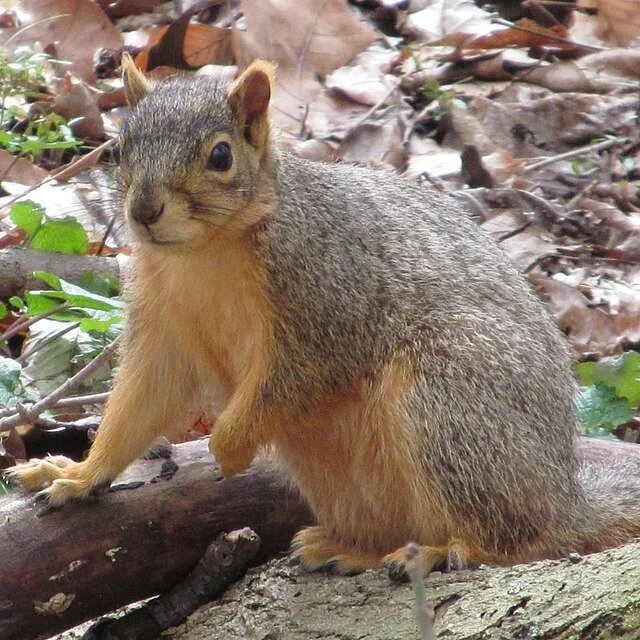
Steps to Take
What you should do depends on the squirrel’s condition and whether it can move normally.
If the Squirrel Appears Injured or Sick
Observe the squirrel from a safe distance.
Keep people and pets away.
Do not chase or force the squirrel to move.
Look for visible injuries, bleeding, weakness, difficulty breathing, or problems walking or climbing.
If possible, take a photo or short video from a distance. This can help a licensed wildlife rehabilitator assess the situation.
Contact a licensed wildlife rehabilitator for guidance before attempting to capture or move the squirrel.
Do not offer food or water.
Do not assume that a squirrel that remains still will be easy or safe to handle. An injured or frightened adult squirrel may bite or scratch when approached.
If the Squirrel Was Caught by a Cat or Dog
Even when there is no obvious wound, a squirrel that has been caught in a cat or dog's mouth may have injuries that are difficult to see.
Contact a licensed wildlife rehabilitator for guidance as soon as possible.
Keep the pet away from the squirrel and do not attempt to handle the squirrel unless you are instructed to do so.
How to Safely Contain an Adult Squirrel
Only attempt to contain an adult squirrel if a licensed wildlife rehabilitator has advised you that capture is appropriate. An injured squirrel may still be able to move quickly and can bite or scratch when frightened.
If you are instructed to contain the squirrel:
Keep children and pets away from the area.
Prepare a secure box or pet carrier with ventilation holes before approaching the squirrel.
Line the bottom with a pillowcase or T-shirt.
Wear thick gloves and long sleeves.
If the squirrel is unable to flee, carefully place a towel or lightweight blanket over it and gently transfer it into the container without directly handling it.
Close and secure the container immediately.
Keep the container indoors in a warm, dark, and quiet place away from people and pets.
Minimize noise, movement, and handling.
Do not give the squirrel food or water unless specifically instructed by a licensed wildlife rehabilitator.
Do not repeatedly open the container to check on the squirrel. Once it is safely contained, limiting light, noise, and activity helps reduce additional stress.
If the squirrel is still highly mobile, climbing, or actively trying to escape, do not chase or corner it in an attempt to capture it. Contact Roanoke Wildlife Rescue for guidance instead.
What to Do While You Wait for Help
If a licensed wildlife rehabilitator has advised you to leave the squirrel where it is while help is arranged:
Keep children and pets away.
Observe the squirrel from a safe distance.
Keep the area as quiet and undisturbed as possible.
Do not offer food or water.
Do not repeatedly approach or attempt to make the squirrel move.
If possible, note any changes in the squirrel’s condition or behavior and take a photo or short video from a safe distance.
Follow any instructions provided by the rehabilitator.
If you have already been instructed to contain the squirrel, keep the secured container in a warm, dark, quiet place away from people and pets. Avoid opening the container or handling the squirrel unnecessarily.
If the squirrel moves away, climbs a tree, or otherwise leaves on its own, do not chase or attempt to recapture it unless a licensed wildlife rehabilitator has specifically instructed you to do so.
Do Not Keep or Attempt to Rehabilitate an Adult Squirrel
Adult squirrels are wild animals with specialized medical, nutritional, and behavioral needs. An injured or sick squirrel should be evaluated and cared for by a licensed wildlife rehabilitator when rehabilitation is necessary.
Attempting to care for an adult squirrel yourself can:
Cause additional stress or injury.
Put you at risk of bites or scratches.
Delay appropriate evaluation and treatment.
Lead to improper feeding or care.
Cause the squirrel to become accustomed to people, making successful release more difficult.
Do not take an adult squirrel home or attempt to rehabilitate it yourself.
Helping a squirrel does not always mean capturing it. Depending on the situation, the best way to help may be to give the squirrel space, protect it from pets and other disturbances, and contact a licensed wildlife rehabilitator for guidance.
About Adult Squirrels
Squirrels are active, intelligent, and highly adaptable animals that are a familiar part of Virginia’s wildlife. They spend much of their time searching for food, caring for young, maintaining nests, and moving between trees and feeding areas.
Their constant activity can sometimes bring them close to homes and people, but most squirrel encounters are simply normal wildlife behavior.
Why Do Squirrels Spend So Much Time on the Ground?
Although squirrels are excellent climbers, it is completely normal to see them on the ground. They regularly come down from trees to forage, bury or retrieve food, drink, and travel between areas.
Why Do Squirrels Chase Each Other?
Chasing is common squirrel behavior and does not necessarily mean the animals are fighting. Squirrels may chase one another during courtship, territorial interactions, play, or competition around food.
Unless a squirrel is visibly injured afterward, chasing generally does not require intervention.
Why Do Squirrels Matter?
Squirrels play an important role in forest ecosystems. By carrying, burying, and sometimes forgetting nuts and seeds, squirrels can contribute to spreading seeds and helping new trees and other plants grow.
They are also part of the natural food web and provide food for native predators.
Living Peacefully With Squirrels
Most outdoor squirrel activity does not require intervention. Give squirrels space, keep pets from chasing them, and avoid intentionally feeding them or encouraging them to approach people.
If squirrels are entering an attic, chimney, or other part of a building, first determine whether young may be present before sealing an entrance. Excluding an adult while dependent young remain inside can separate the family and create a larger problem.
The goal is not to make squirrels comfortable around people, but to give them the space to remain wild.
Frequently Asked Questions About Adult Squirrels
-
A lump may have several possible causes, but during warmer months, squirrels commonly develop warbles, which are caused by botfly larvae developing beneath the skin.
If the squirrel is otherwise alert, active, and moving normally, a warble alone does not necessarily mean it needs to be rescued. See the Understanding Warbles section above for more information.
-
Difficulty using the hind legs can indicate a serious injury or neurological problem. Keep people and pets away, do not force the squirrel to move, and contact a licensed wildlife rehabilitator for guidance.
-
Separate your pet from the squirrel and keep the area quiet. Even if you cannot see an obvious wound, the squirrel may have injuries that require evaluation.
Contact a licensed wildlife rehabilitator as soon as possible.
-
No. Do not give food or water unless a licensed wildlife rehabilitator specifically instructs you to do so. An injured or debilitated animal may not be able to safely eat or drink, and inappropriate feeding can complicate its care.
-
No. Adult squirrels have specialized medical, nutritional, and behavioral needs and should not be rehabilitated at home. Contact a licensed wildlife rehabilitator for guidance.
-
Do not immediately seal the entrance. An adult squirrel may have dependent young inside, particularly during baby season. Sealing the adult out can separate the mother from her babies.
Use safe, humane ways to keep squirrels out that allow the whole family to leave safely, and make permanent repairs only after you are confident no squirrels remain inside.
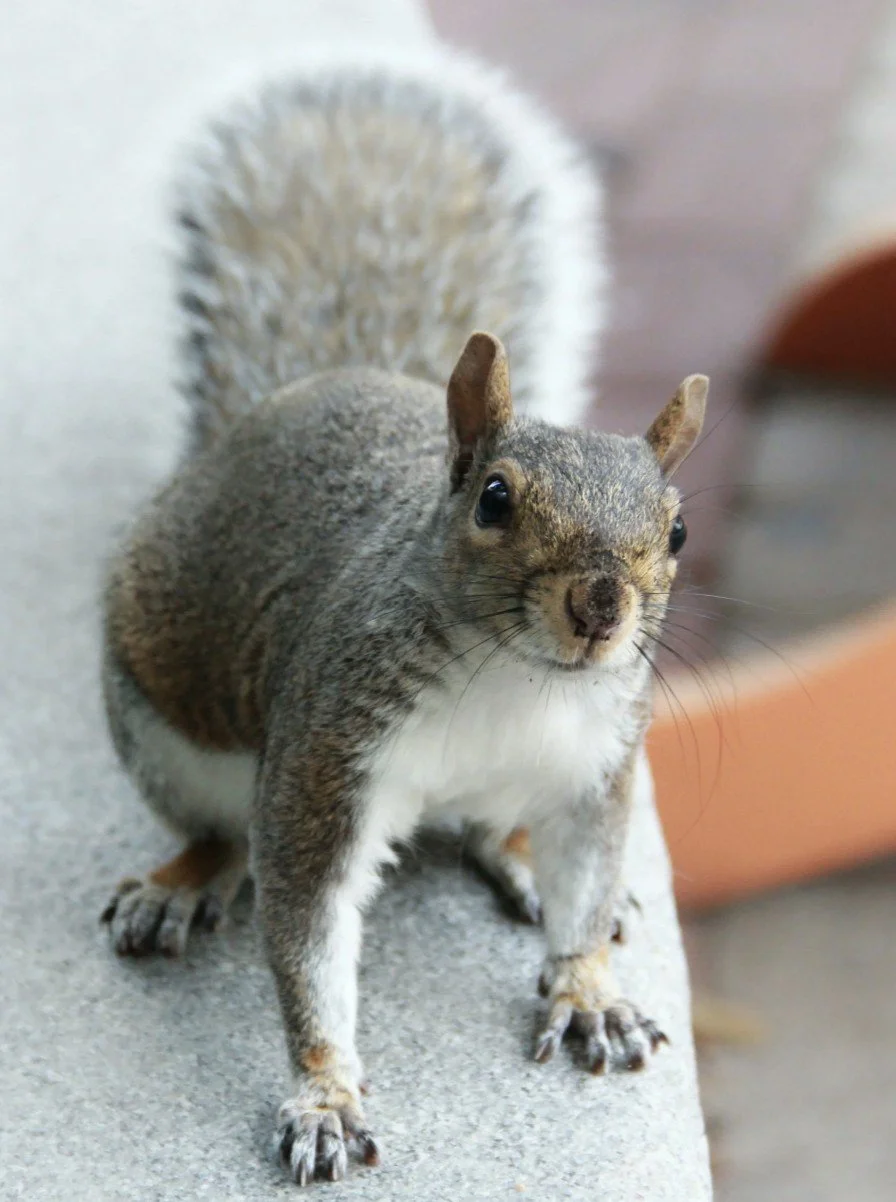
Get Help for an Adult Squirrel
If you find an adult squirrel that appears injured, sick, severely weak, or unable to move normally, keep people and pets away and contact Roanoke Wildlife Rescue for guidance.
Do not attempt to capture or handle an adult squirrel unless you have been specifically instructed to do so.
Whenever possible, observe from a safe distance and take a clear photo or short video. This can help us assess the squirrel’s condition and determine whether intervention may be needed.